













NLC, GENCOs clash over N6tn debt, N3tn bailout plan
Nigeria Labour Congress and electricity generation companies have entered into a fierce confrontation as the NLC, GENCOs clash over N6tn debt, N3tn bailout plan, exposing deep structural weaknesses in Nigeria’s electricity sector and raising fears of worsening power shortages.
At the heart of the dispute is a claim by the Association of Power Generation Companies (APGC) that electricity producers are owed approximately ₦6 trillion for power generated and supplied to the national grid but not paid for. 
The power companies warned that the mounting debt threatens their ability to maintain generation facilities and sustain electricity supply nationwide.
However, the NLC has strongly rejected both the debt claims and any proposed bailout, escalating tensions between labour and private power operators.
GENCOs insist ₦6tn debt threatens electricity supply
Power generation companies say the ₦6 trillion debt accumulated due to persistent revenue shortfalls, weak remittances, and liquidity failures across the electricity value chain. 
According to industry officials, generation companies are entitled to about 60 per cent of market receivables but often receive only a fraction of what they are owed.
This financial strain has severely limited their ability to:
• Purchase gas for electricity generation
• Maintain aging infrastructure
• Service loans
• Invest in expansion projects
Experts warn that the debt crisis could force power plants to shut down if left unresolved.
The GENCOs argue that the situation has pushed the sector toward operational insolvency, with potentially devastating consequences for Nigeria’s energy security. 
The NLC, GENCOs clash over N6tn debt, N3tn bailout plan reflects deeper structural financial problems within the electricity market.
Proposed ₦3tn bailout sparks outrage
The Federal Government is reportedly considering a bailout package estimated at about ₦3 trillion to stabilise the power sector.
GENCOs argue that government intervention is necessary to prevent sector collapse.
But the NLC has strongly opposed the proposal.
The labour union described the bailout plan as unjustified and accused power companies of attempting to exploit public funds.
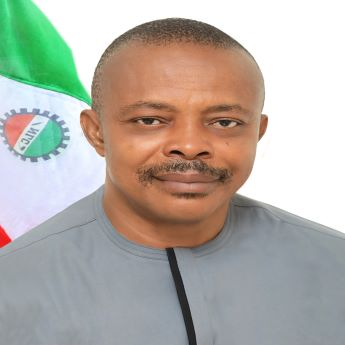
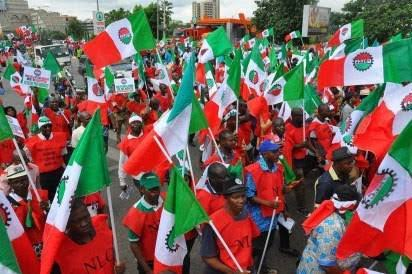
NLC President Joe Ajaero said providing trillions of naira to private power companies would amount to rewarding failure rather than solving systemic problems. 
The NLC, GENCOs clash over N6tn debt, N3tn bailout plan has therefore evolved into a broader debate over economic justice and public accountability.
https://ogelenews.ng/nlc-gencos-clash-over-n6tn-debt
Labour accuses GENCOs of privatisation failure
The NLC has used the controversy to renew its long-standing criticism of Nigeria’s power sector privatisation.
According to the labour union, the entire power sector was sold for about ₦400 billion, yet GENCOs are now demanding trillions of naira in bailout support. 
Labour leaders argue that privatisation failed to deliver improved electricity supply or attract the promised investment.
The NLC, GENCOs clash over N6tn debt, N3tn bailout plan has therefore reopened debate about the effectiveness of Nigeria’s privatisation model.
GENCOs reject extortion allegations
Power generation companies have denied allegations that they are exploiting the government or public.
They insist that the debt reflects unpaid invoices for electricity already generated and delivered.
GENCOs say the crisis stems from systemic liquidity problems involving:
• Tariff shortfalls
• Distribution company payment failures
• Government subsidy delays
• Currency depreciation and rising costs
They also rejected accusations of extortion, calling such claims misleading and harmful to investor confidence. 
The NLC, GENCOs clash over N6tn debt, N3tn bailout plan reflects fundamentally different interpretations of the sector’s financial realities.
Structural liquidity crisis at core of dispute
Energy experts say Nigeria’s electricity sector has suffered chronic liquidity problems since its privatisation in 2013.
Monthly electricity invoices often exceed ₦280 billion, but generation companies receive less than half of that amount. 
This persistent payment gap has driven the sector deeper into debt.
The NLC, GENCOs clash over N6tn debt, N3tn bailout plan is therefore rooted in structural weaknesses across the electricity value chain.
Implications for electricity supply
The dispute raises serious concerns about Nigeria’s electricity stability.
If generation companies cannot sustain operations, electricity supply could decline sharply.
Nigeria currently generates less than 6,000 megawatts of electricity—far below national demand.
Any further reduction could worsen power outages nationwide.
The NLC, GENCOs clash over N6tn debt, N3tn bailout plan therefore carries significant economic implications.
Broader economic consequences
Electricity shortages increase business costs and reduce economic productivity.
Companies rely heavily on diesel generators due to unreliable grid supply.
This increases production costs and contributes to inflation.
The power sector crisis also discourages investment.
The NLC, GENCOs clash over N6tn debt, N3tn bailout plan highlights the urgent need for reform.
What happens next
The Federal Government faces a difficult decision.
It must balance fiscal responsibility with the need to stabilise electricity supply.
Possible outcomes include:
• Partial bailout or debt restructuring
• Tariff reforms
• Market restructuring
• Increased regulatory oversight
The NLC, GENCOs clash over N6tn debt, N3tn bailout plan represents a critical turning point.
Nigeria’s energy future depends on how the crisis is resolved.
https://punchng.com/nlc-gencos-clash-over-n6tn-debt-n3tn-bailout-plan