















NNPC deductions
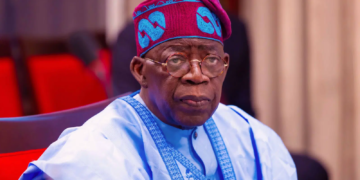
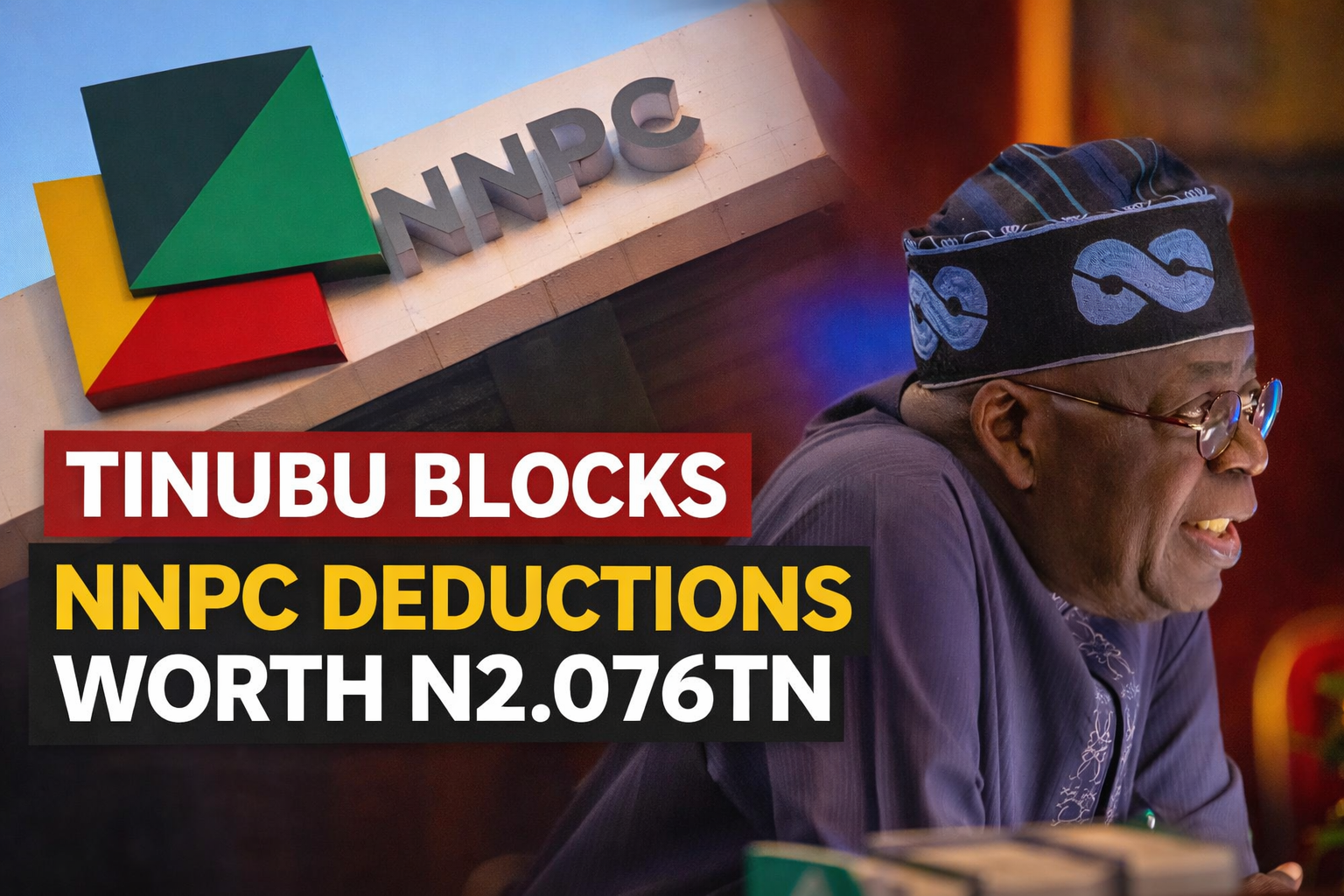
President Bola Ahmed Tinubu has issued a landmark executive order mandating the direct remittance of oil and gas revenues to the Federation Account, effectively blocking NNPC deductions that totalled about N2.076 trillion between 2022 and 2025, investigations by Ogele News show.
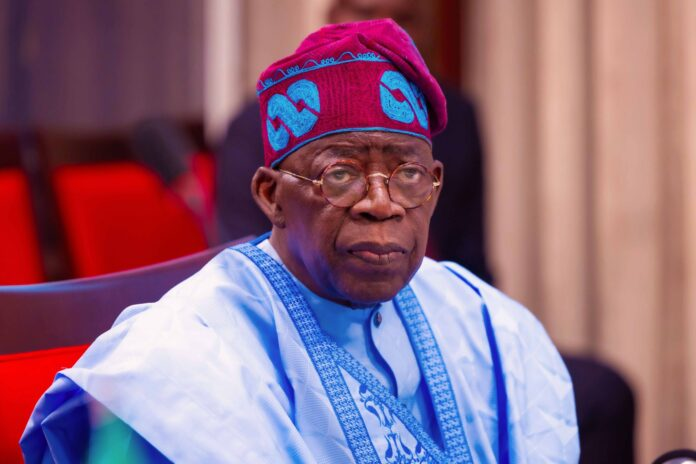
The directive, signed on February 13, 2026 and published in the official gazette, halts automatic deductions such as management fees and contributions to the Frontier Exploration Fund by the Nigerian National Petroleum Company Limited (NNPC). Under the new regime, all revenues due to the federation must first be remitted into the Federation Account Allocation Committee (FAAC) before any allowances are considered.
According to an analysis of monthly FAAC earnings obtained exclusively by Ogele News, the national oil company received:
- N20.739bn from NNPC deductions in 2022
- N695.9bn in 2023
- N452.6bn in 2024
- N906.91bn in 2025
These figures bring the total retention through management fees and frontier exploration allocations to roughly N2.1tn over four years.
Why the shift matters
Under the Petroleum Industry Act (PIA) 2021, NNPC was entitled to retain a 30 per cent management fee on profit oil and profit gas and another 30 per cent for a Frontier Exploration Fund derived from production sharing contracts. Combined with a 20 per cent general retention for working capital and investment, this system often left only 40 per cent of certain oil revenues flowing into the Federation Account, a situation critics long argued reduced fiscal transparency and deprived federal, state and local governments of billions of naira.
President Tinubu’s executive order reverses this arrangement. It insists that royalties, taxes, profit oil, profit gas, penalties and any other government entitlements must be paid directly to the Federation Account, leaving NNPC deductions for management and frontier exploration behind.
The Presidency says the move restores constitutional fiscal priorities. In a spokesperson statement, it noted that the directive is anchored on Section 5 and Section 44(3) of the Constitution, which vests ownership and control of mineral resources in the Government of the Federation.
Reactions from stakeholders
Fiscal transparency advocates and several state governments have welcomed the order, saying ending NNPC deductions will raise distributable revenues and strengthen accountability around oil earnings.
The Petroleum Products Retail Outlets Owners Association of Nigeria (PETROAN) described the order as a reform-driven step that could improve investor confidence and fiscal discipline in the energy sector.

But not all responses have been celebratory. Some industry players and legal analysts warn of potential tensions between executive action and the statutory framework of the PIA, which enshrined many of the very retention mechanisms now being unwound. They argue that abrupt reversal of NNPC’s revenue rights could lead to policy uncertainty if not carefully aligned with legislative review.
https://ogelenews.ng/nnpc-deductions
Constitutional grounding and fiscal implications
Budget Office Director-General Tanimu Yakubu has defended Executive Order 9, saying the directive upholds constitutional provisions rather than amounts to executive lawmaking. He pointed to Section 80(1) of the Constitution, which mandates that all Federation revenues must be paid into and form one Consolidated Revenue Fund, and Section 162, requiring such receipts to be shared through FAAC mechanisms.
From February onward, oil and gas operators holding assets under production sharing contracts are required to remit royalty oil, tax oil, profit oil and profit gas directly to the Federation Account. Payments of gas flaring penalties to midstream and downstream infrastructure funds have also been suspended, with proceeds redirected to the FAAC pool.
Fiscal experts note that if implemented transparently and consistently, this policy could significantly expand revenue inflows for federal, state and local governments, particularly at a time of budgetary strain and revenue shortfalls.
New revenue architecture
The order establishes an inter-ministerial implementation committee headed by key economic policymakers, including the Finance Minister, Attorney-General and Director-General of the Budget Office, to oversee execution.
The aim is to enhance discipline around revenue remittance, eliminate overlapping deductions that characterised past NNPC deductions, and ensure oil revenue streams are fully and efficiently captured before sharing across government tiers.
What’s next for the oil and gas sector
The executive order marks an immediate shift in petroleum revenue governance. But observers say its long-term success depends on clear legal alignment with the PIA, robust reporting mechanisms, and maintaining investor confidence as Nigeria balances fiscal reform with energy sector productivity.
For now, the blocking of NNPC deductions accounting for an estimated N2.076tn over four years stands as a bold signal from the presidency on revenue transparency. Its implementation will be watched closely by fiscal policymakers, subnational governments, investors and civil society alike.
https://punchng.com/tinubus-executive-order-blocks-n2tn-nnpc-fees/