













Oba of Lagos dream about Tinubu’s second term
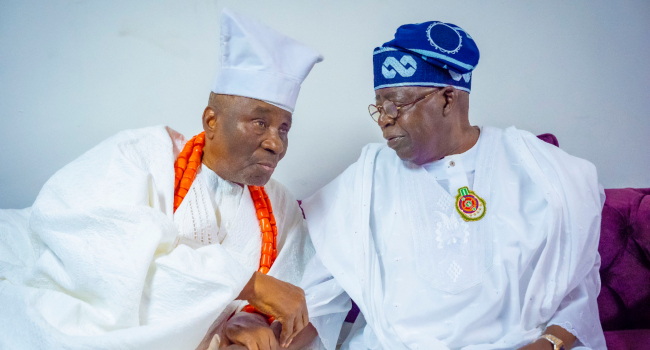
The Oba of Lagos has stirred public conversation after publicly recounting a dream he said he received concerning President Bola Ahmed Tinubu’s second term in office, a revelation that has since drawn reactions across political, religious, and civic circles in Nigeria.
Speaking during a recent gathering of traditional leaders and community stakeholders in Lagos, the Oba described the dream as one that reflected continuity, resilience, and political endurance for the current administration beyond its first term. Though he stopped short of declaring it a political endorsement, the monarch’s remarks have reignited discussions about tradition, symbolism, and the influence of royal institutions in Nigeria’s democratic space.
The comments come at a time when Nigeria is grappling with economic reforms, political realignments, and early manoeuvring ahead of the 2027 general elections. Against this backdrop, any statement linking traditional authority to electoral outcomes is bound to attract scrutiny.
What the Oba Said
According to those present at the event, the Oba of Lagos narrated that in his dream, he saw President Tinubu overcoming turbulence and consolidating power, with governance extending into a second term marked by stability. He reportedly interpreted the dream as a sign of perseverance through hardship rather than a guarantee of automatic political success.
The Oba of Lagos dream about Tinubu’s second term was shared in a reflective tone, framed more as a spiritual insight than a campaign message. However, the symbolism has proven powerful, particularly given the monarch’s historic standing and Lagos’ political influence in Nigeria.
Observers note that traditional rulers often speak in metaphor, blending spirituality, history, and counsel. Yet, in an era of heightened political sensitivity, such metaphors rarely remain neutral,Oba of Lagos dream about Tinubu’s second term.
Political Reactions and Public Interpretation
Reactions to the Oba of Lagos dream about Tinubu’s second term have been sharply divided. Supporters of the president view the comments as reassurance that ongoing reforms, though painful, are part of a longer national trajectory. Critics, however, argue that the statement risks blurring the line between cultural authority and political advocacy.
Some opposition voices warned that royal institutions must remain above partisan politics, especially as Nigeria approaches another electoral cycle. They argue that citizens should judge Tinubu’s second term prospects based on performance, policy outcomes, and democratic choice, not spiritual symbolism.
On social media, the debate has been intense. While some Nigerians welcomed the Oba’s words as culturally significant, others questioned whether traditional leaders should publicly associate dreams with political futures at all.
https://ogelenews.ng/oba-of-lagos-dream-about-tinubus-second-term
Tradition, Power, and Politics in Nigeria
The Oba of Lagos dream about Tinubu’s second term has reopened a long-standing national conversation about the role of traditional rulers in modern governance. Historically, monarchs have served as custodians of culture and mediators in times of crisis. However, Nigeria’s constitutional framework places political power squarely within elected institutions,Oba of Lagos dream about Tinubu’s second term.
Legal scholars point out that while monarchs are free to express personal beliefs, their influence carries weight far beyond that of private citizens. This is particularly true in Lagos, where politics, commerce, and history intersect.
Supporters of the Oba argue that dreams and visions are deeply embedded in African political culture and should not be dismissed outright. Critics counter that symbolic language can easily be misinterpreted as political endorsement, whether intended or not.
Tinubu’s Second Term: Reality Beyond Symbolism
Beyond the symbolism of the Oba of Lagos dream about Tinubu’s second term, analysts insist the president’s political future will ultimately depend on tangible outcomes. Inflation, fuel pricing, currency stability, security challenges, and employment remain pressing issues for millions of Nigerians.
Political analysts note that while spiritual narratives can shape morale, elections are won through performance, alliances, and voter confidence. Tinubu’s second term ambitions, if any, will be tested by how effectively his administration delivers on economic recovery and social stability.
In this context, the dream has become less about prophecy and more about perception: how Nigerians interpret leadership, endurance, and hope amid reform fatigue.
Presidency Maintains Silence
As of the time of reporting, the presidency has not issued an official response to the Oba’s remarks. Sources close to the administration suggest there is no intention to politicise the statement or incorporate it into any form of political messaging.
This silence may be deliberate, aimed at avoiding the impression that the government is aligning itself with spiritual or traditional endorsements.
A Moment That Reflects Nigeria’s Complexity
The Oba of Lagos dream about Tinubu’s second term highlights the unique blend of tradition, belief, and politics that defines Nigeria’s public life. It shows how symbolic statements can resonate deeply, even when no direct political intent is stated.
For now, the dream remains just that, a narrative open to interpretation. Whether it fades into cultural commentary or continues to influence political discourse will depend on how Nigerians respond to governance realities in the months and years ahead.
What remains clear is that Nigeria’s democratic future will be shaped less by dreams and more by accountability, performance, and the will of the electorate.
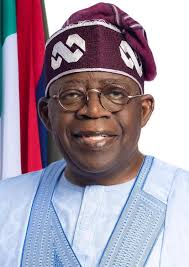
Oba of Lagos dream about Tinubu’s second term.