












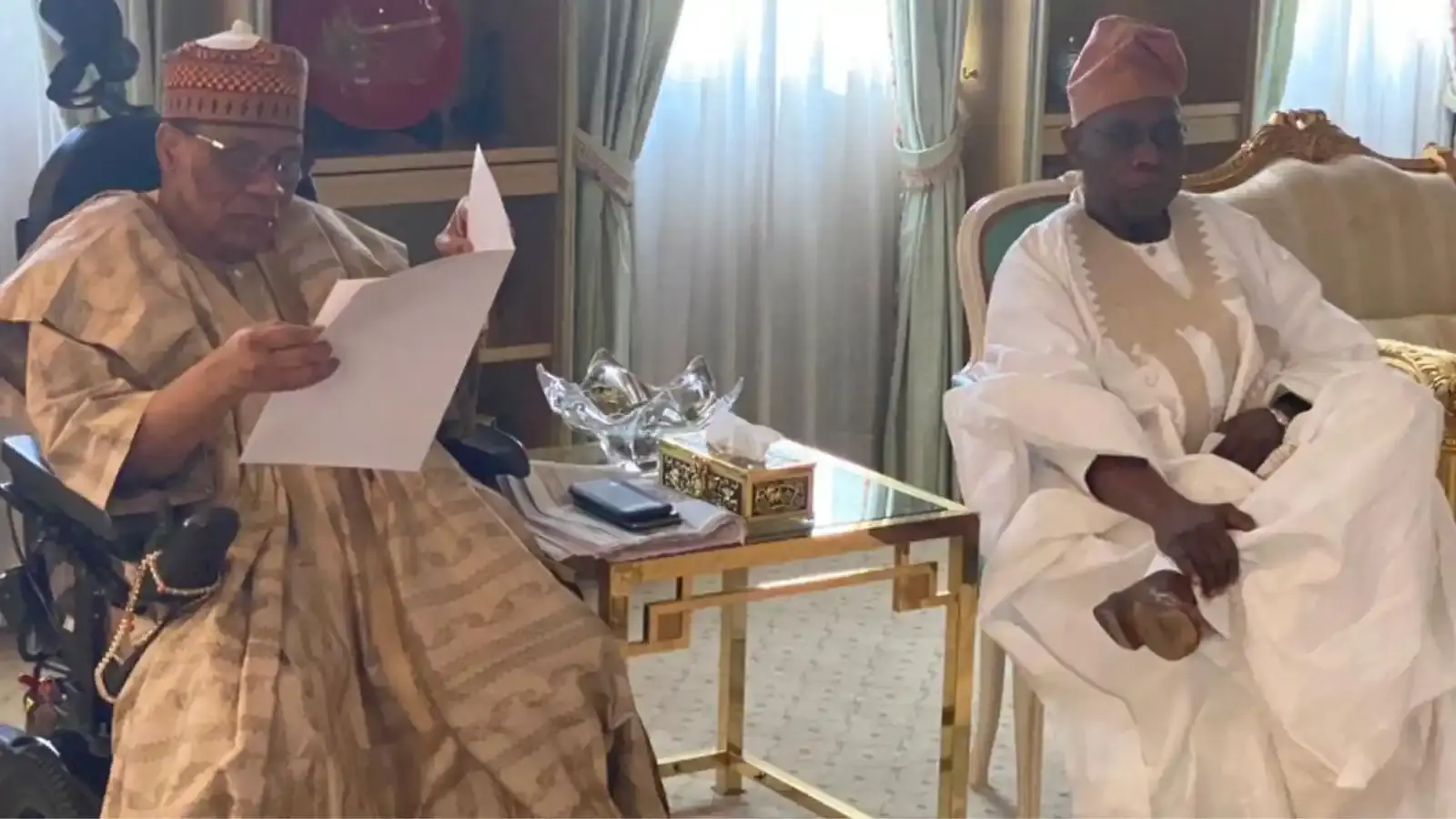
Obasanjo Babangida meeting
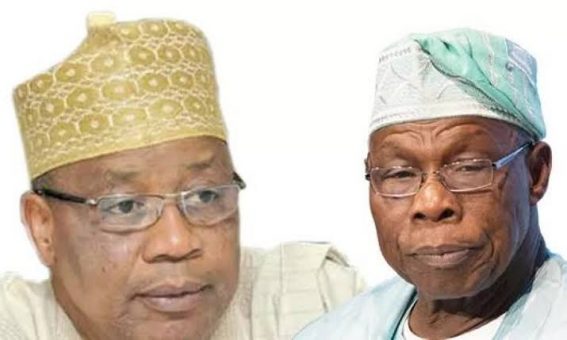
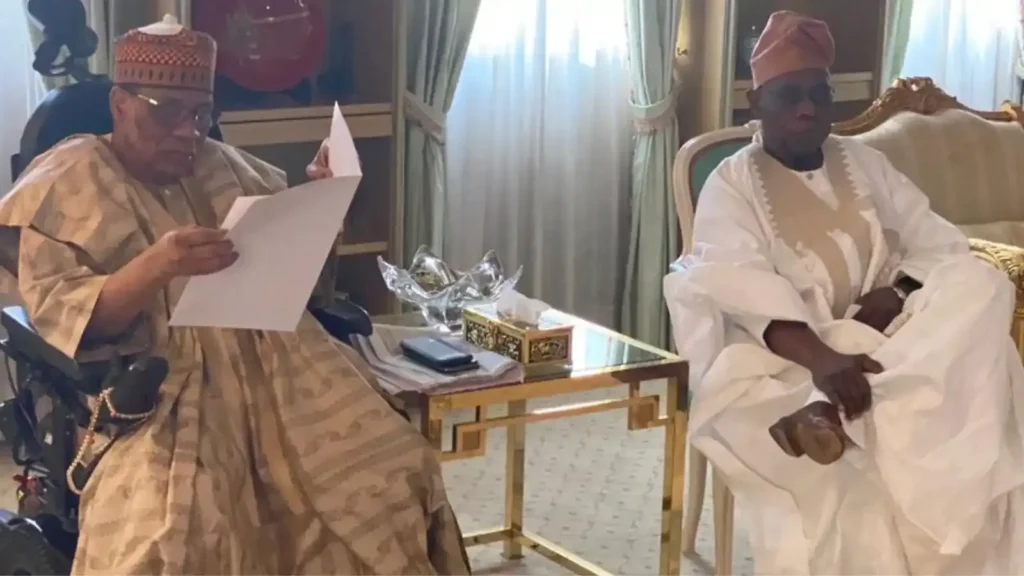
Former President Olusegun Obasanjo has held a private meeting with former military ruler Ibrahim Badamasi Babangida, a development that has reignited political conversations across Nigeria about elite influence, legacy power, and the country’s uncertain future.
The Obasanjo Babangida meeting, which took place away from public view, immediately drew attention because of the historical weight both men carry and the timing of the engagement amid Nigeria’s economic, security, and political challenges.
While details of the closed-door discussion remain undisclosed, the symbolism alone has proven enough to trigger speculation, reflection, and debate across political circles.
https://ogelenews.ng/obasanjo-babangida-meeting
Why the Obasanjo Babangida Meeting Matters
The Obasanjo Babangida meeting is not just a social courtesy between two retired leaders. It brings together two men who shaped Nigeria’s modern political structure, both directly and indirectly.
• Babangida ruled Nigeria as a military president from 1985 to 1993
• Obasanjo transitioned from military rule to become a civilian president between 1999 and 2007
Their combined influence spans military governance, democratic transition, economic reforms, and elite consensus-building.
Any interaction between them, especially a private one, inevitably raises questions about motive and message.
A History of Complicated Alliances
The relationship between Obasanjo and Babangida has always been complex.
Both men emerged from the same military generation. Both wielded power differently. Babangida is often described as a behind-the-scenes strategist, while Obasanjo has maintained a more public moral and political posture in retirement.
The Obasanjo Babangida meeting revives memories of:
• The annulment of the June 12, 1993 election
• Nigeria’s long military-to-civilian transition
• Elite negotiations that shaped the Fourth Republic
This history is why many Nigerians see such meetings not as casual, but consequential.
Silence, Strategy, and Speculation
Neither camp released an official statement after the Obasanjo Babangida meeting. That silence has only intensified speculation.
Political observers point to several possible interpretations:
1. Statesman Consultation
The meeting could be part of informal consultations between elder statesmen concerned about Nigeria’s direction.
2. Power Bloc Re-Alignment
In Nigeria’s political culture, former leaders often serve as anchors for elite consensus, especially during periods of instability.
3. Security and National Stability Talks
With insecurity persisting nationwide, retired leaders with deep institutional memory may be comparing notes.
4. No Immediate Political Agenda
Some analysts caution against over-reading the meeting, noting that retired leaders sometimes meet purely on personal grounds.
Yet in Nigeria, symbolism often matters as much as substance.
Public Reaction: Curiosity and Caution
Reactions to the Obasanjo Babangida meeting have been mixed.
On social media and political commentary platforms:
• Some Nigerians expressed concern about “old power brokers” still shaping outcomes
• Others argued that experienced leaders should not be excluded from national conversations
• Younger commentators questioned transparency and accountability
What unites these reactions is a shared understanding: meetings like this do not happen in a vacuum.
Obasanjo’s Role as an Elder Statesman
Since leaving office, Obasanjo has remained one of Nigeria’s most vocal political figures.
He has:
• Issued public letters to sitting presidents
• Commented on elections and governance
• Acted as an international mediator in African conflicts
The Obasanjo Babangida meeting fits into his long-standing pattern of engagement, even in retirement.
For supporters, this reinforces his relevance. For critics, it raises concerns about unelected influence.
Babangida’s Quiet but Enduring Influence
Unlike Obasanjo, Babangida has maintained a quieter public presence.
However, his influence remains deeply embedded in Nigeria’s political elite, especially within military and northern power networks.
That is why the Obasanjo Babangida meeting has drawn attention beyond headlines. It signals that even decades after leaving office, Babangida remains a figure whose counsel is sought or whose presence matters.
What This Means for Nigeria Now
Nigeria is currently navigating:
• Economic pressure and cost-of-living concerns
• Ongoing security challenges
• Public trust deficits in leadership
In such moments, elite consultations often intensify.
The Obasanjo Babangida meeting may not produce immediate public outcomes, but it reflects a deeper reality: Nigeria’s political future is still shaped, in part, by its past.
Bottom Line
The Obasanjo Babangida meeting is significant not because of what was said behind closed doors, but because of who was in the room.
It underscores the enduring role of Nigeria’s former leaders in national conversations, raises questions about transparency and elite influence, and reminds the country that power in Nigeria often operates quietly, long after official titles are gone.
Until more details emerge, the meeting stands as a moment heavy with history, symbolism, and unanswered questions.
https://www.premiumtimesng.com/category/politics