

















Occupy National Assembly protest begins in Abuja over electronic transmission of election results
A mass protest erupted at the National Assembly Complex in Abuja on Monday, as activists, political groups, labour unions and civil society organisations began the Occupy National Assembly demonstration, demanding that lawmakers restore mandatory electronic transmission of election results into the Electoral Act. The protesters, mobilised under the banner “Occupy NASS,” stormed the entrance of the legislative chambers and called on members of the National Assembly to uphold democratic reforms they say are crucial for credible elections. 
The protest — peaceful for the most part but packed with passion and resolve — reflects rising public anger over the Senate’s handling of the Electoral Act (Amendment) Bill 2026, particularly its decision to remove provisions that would have made real-time electronic transmission of election results from polling units compulsory. Critics say that this move undermines transparency and opens the door for manipulation, eroding faith in Nigeria’s democratic process. 
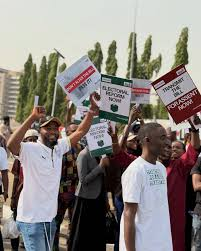
Participants carried placards, chanted slogans and chided lawmakers for what they described as a betrayal of Nigerians’ demand for electoral integrity. Speakers at the rally said that the Occupy National Assembly protest begins in Abuja over electronic transmission of election results issue is not a partisan matter but a collective demand for fairness, accountability and a system where votes count and are seen to count. 
The Trigger Point: Electoral Act Dispute
The immediate cause of the Occupy National Assembly protest begins in Abuja over electronic transmission of election results was the controversial passage of the Electoral Act (Amendment) Bill by the Senate on February 4, 2026, when lawmakers voted down clause 60(3), which sought to require presiding officers at polling units to upload results electronically in real time. Instead, the Senate retained general language that allows the Independent National Electoral Commission (INEC) to transmit results in a manner it deems fit, effectively sidelining mandatory real-time transmission from the law. 
Opposition to this decision has come from multiple fronts: civil society groups argue the removal weakens transparency; human rights activists say it favours manipulation; and many Nigerians see it as a step backward following the controversies of past elections where delayed results fuelled mistrust and litigation. 
Who’s on the Front Line
The protest drew a diverse range of participants, including youth political movements, professional associations, labour unions and advocacy groups. Under the umbrella of the Movement for Credible Elections (MCE), leaders such as prominent lawyer Femi Falana (SAN), former ministers, economists, and civil rights figures have been vocal in criticising the Senate’s move and calling for an electoral law that mandates real-time electronic transmission of results. 
Pictures and videos circulating on social media show long lines of protesters gathering at the National Assembly gates, some chanting “No transparency, no elections,” “Electronic transmission now” and other slogans that capture their demand for election reforms. 
Public and Organised Support
Backers of the protest include labour unions such as the Nigeria Labour Congress (NLC), which has threatened mass action should the National Assembly fail to restore electronic transmission clauses. According to the NLC, clarity and transparency in the electoral process are essential not only for 2027 but for the future credibility of Nigerian democracy. 
Many ordinary Nigerians who joined the protest said they are tired of electoral controversies and want a system that uses technology to ensure results are transmitted and published in real time — from polling units directly into the INEC Result Viewing (IReV) portal. For them, the Occupy National Assembly protest begins in Abuja over electronic transmission of election results heralds a new wave of civic engagement by citizens who see technology as key to ending manipulation and fraud. 
https://ogelenews.ng/occupy-national-assembly-protest-begins-in-abuja

Arguments from Both Sides
Proponents of the protest argue that real-time electronic transmission of election results closes loopholes that have been exploited in past elections. They believe that when results are digitally uploaded from polling units immediately after voting and counting, discrepancies — which often fuel post-election disputes — are minimised. 
Supporters also point to the role of technology in modern democracies, saying that if Nigeria is to have credible elections, it must adopt processes that are transparent and verifiable by ordinary citizens. Many protest leaders warned that resisting these reforms could lead to voter apathy and scepticism, especially among younger voters who increasingly demand open, accountable governance. 
On the other side, some lawmakers and commentators have said mandatory real-time electronic transmission could be problematic in areas with weak network infrastructure. They argue that a legal requirement might not match ground realities in parts of the country where connectivity is poor. However, opponents of that view — including many of the protesters — maintain that the law should not be limited by current infrastructure challenges and that the state should work toward improving capacity. 
National Assembly and Emergency Sitting
The intensity of the backlash — of which the Occupy National Assembly protest begins in Abuja over electronic transmission of election results is a key expression — has prompted the Senate leadership to call an emergency plenary session to reconvene and address parts of the Electoral Act Amendment Bill. The move underscores the seriousness of public sentiment and the urgency with which the controversy is being treated by political stakeholders. 
Why It Matters
For citizens and activists, the protest is about more than one line in a law — it reflects deep concerns about electoral credibility, transparency, and the right of Nigerians to a system where results are verifiable in real time. Many say that without clear legal backing for real-time electronic transmission of results, elections will continue to be dominated by uncertainty, manipulation, and confusion long after ballots are cast. 
As the demonstration continues and negotiators prepare for legislative meetings, the outcome of this confrontation between civic activists and lawmakers may shape not just the 2027 elections but the broader trajectory of democratic reform in Nigeria.
https://punchng.com/electoral-act-standoff-senate-calls-emergency-plenary-as-protests-loom

Occupy National Assembly protest begins in Abuja over electronic transmission of election results