



















Ogun lead poisoning tests
Ogun State Government has begun a comprehensive health audit in Ogijo, Sagamu Local Government Area, testing over 500 residents for possible lead poisoning following public concern about contamination linked to used lead-acid battery recycling factories in the area. 
The audit, officials said, is independent and comprehensive, and is designed to generate reliable public health evidence on the level of exposure in the community, as well as guide treatment, remediation and future regulation, Ogun lead poisoning tests.
Why Ogun launched the lead poisoning audit
The new testing drive follows earlier government actions taken after contamination concerns escalated in late 2025. Ogun State had announced that seven factories involved in lead-acid battery recycling along the Ogijo axis were shut down over possible lead poisoning risks. 
The state’s renewed testing push is also tied to growing public and media scrutiny around lead exposure in Ogijo and its surrounding industrial belt. Healthwise (Punch) reported that Ogun’s decision to test around 500 people was linked to concerns about widespread lead contamination allegedly connected to recycling factories operating in the community, Ogun lead poisoning tests.
In practical terms, the state is trying to answer two urgent questions: who has been exposed, and how serious the exposure is.
Who is being tested and what the scope includes
Reports indicate the testing covers a wide group considered at risk, including factory workers, suppliers, and residents living around battery-recycling plants in Ogijo. 
Punch’s earlier reporting described the target population as people living and working around these facilities, which increases the likelihood of exposure through air, soil and household contamination pathways, Ogun lead poisoning tests.
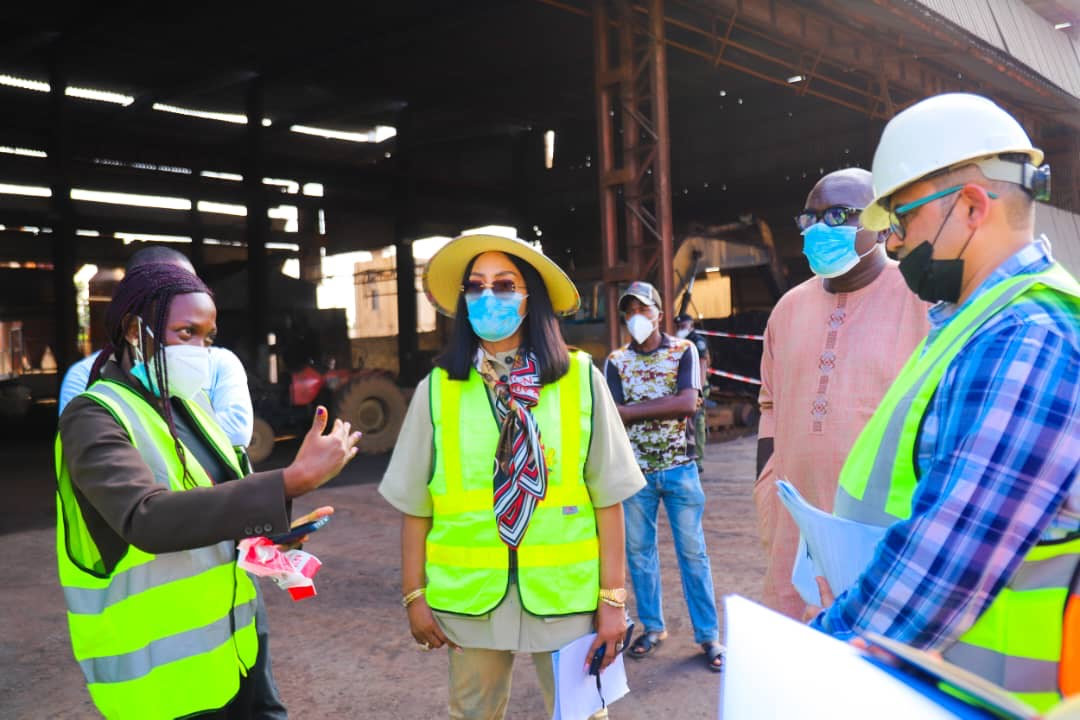
In the February 23, 2026 update, Ogun’s Commissioner for Health, Dr Tomi Coker, was pictured engaging residents as the state commenced the audit. 
https://ogelenews.ng/ogun-lead-poisoning-tests-500-ogijo

Why “500 tests” matters
The 500-person testing plan has been repeatedly defended by state officials as a meaningful sample size for building credible evidence. Premium Times reported that officials argued smaller sampling would be insufficient for a community of over 11,000 residents, and that a wider sample would better reflect what is happening on the ground, Ogun lead poisoning tests.
That point is important because lead poisoning debates can easily become a shouting match unless government produces data that is broad enough to stand up to scrutiny.
The Ogijo industrial context
Ogijo has a concentration of industrial activity, including facilities linked to used lead-acid battery (ULAB) recycling, an industry that can pose serious pollution risks when environmental safeguards are weak or poorly enforced.
The Cable reported that an investigative report found people who tested positive for lead poisoning lived within 100 to 500 metres of prominent ULAB recyclers in the area, adding to the pressure on government to act. 
Local and civil society groups have also pushed for tougher action. One advocacy report urged authorities to treat Ogijo as a contaminated site and pursue stronger remediation steps, Ogun lead poisoning tests.
What happens after the tests
The key issue now is not only testing, but what comes next.
A proper health audit typically triggers four follow-ups:
1. Clinical pathway: identifying those with elevated exposure and linking them to care.
2. Environmental remediation: cleaning contaminated soil or hotspots where needed.
3. Regulatory enforcement: ensuring non-compliant factories remain shut or are forced into strict compliance.
4. Transparency: publishing findings in a way residents can understand and verify.
Premium Times reported that Ogun previously stated affected lead-recycling companies would remain sealed until the conclusion of the audit process, reinforcing the idea that the health audit will influence final regulatory decisions, Ogun lead poisoning tests.
Why this is a public health story, not just an environment story
Lead exposure is not only an environmental problem; it is a public health emergency when it affects communities at scale. That is why Ogun’s decision to run a formal audit is significant.
If the audit confirms serious exposure levels, the state will face pressure to show measurable action: medical follow-up, enforcement, and long-term monitoring.
And if the audit finds low exposure, the government will still be expected to show how it reached that conclusion and what safeguards will prevent a future crisis.
Either way, Ogun lead poisoning tests are becoming a benchmark case for how states handle industrial pollution allegations in Nigeria, Ogun lead poisoning tests.
https://punchng.com/ogun-tests-500-residents-for-lead-poisoning-in-major-health-audit