














Oil Asset Security in the Niger Delta Strengthens Across Key States
https://ogelenews.ng/oil-asset-security-niger-delta
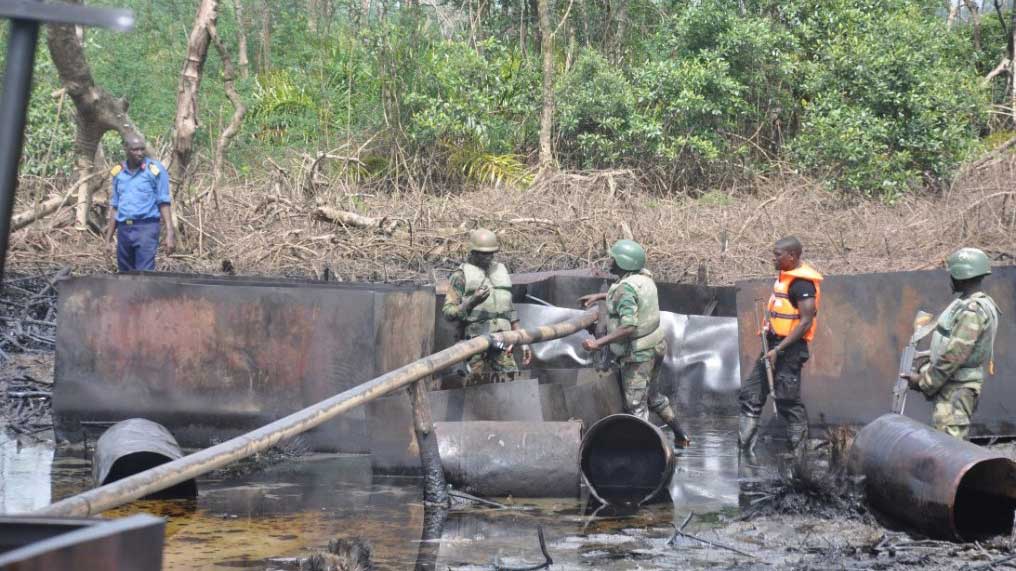
oil asset security in the Niger Delta.
Security operations aimed at protecting Nigeria’s oil infrastructure have intensified across the Niger Delta, as federal security agencies and private pipeline surveillance contractors expand patrols in key oil-producing states including Rivers, Delta, Bayelsa, and Akwa Ibom. The renewed focus on oil asset security follows fresh intelligence reports, recent arrests linked to illegal bunkering, and growing concern within government circles over revenue losses tied to crude oil theft and pipeline vandalism.
Across creeks, waterways, and pipeline corridors, enforcement has become visibly tighter. Residents in riverine communities say patrol boats, checkpoints, and coordinated surveillance activities have increased markedly over the past several weeks, particularly in areas previously identified as high-risk for sabotage and illegal crude lifting.
For the Niger Delta, where oil infrastructure cuts directly through local communities, oil asset security is no longer viewed as a distant federal issue. It is increasingly framed as a matter of local survival, economic stability, and environmental protection.
Why oil asset security in the Niger Delta Is Being Tightened Now
Nigeria’s renewed push on oil asset security comes at a critical moment for the national economy. After years of declining output caused by theft, vandalism, and underinvestment, the federal government has made stabilising crude oil production a top priority. Officials estimate that crude oil theft previously cost the country billions of dollars annually, weakening foreign reserves and straining public finances.
Security sources say recent intelligence indicated a resurgence of coordinated illegal bunkering activities along major pipeline routes in the Niger Delta. These activities, often backed by organised criminal networks, not only deprive the state of revenue but also trigger environmental damage that devastates fishing grounds, farmlands, and water sources relied upon by local communities.
As a result,oil asset security in the Niger Delta operations have been recalibrated to combine military presence, maritime patrols, aerial surveillance, and community-based intelligence gathering.
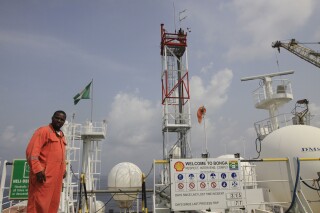
oil asset security in the Niger Delta.
States at the Centre of the Security Push oil asset security in the Niger Delta
In Rivers State, security patrols have been reinforced around key oil corridors linking onshore facilities to export terminals. Delta State has also seen intensified monitoring along waterways historically associated with illegal crude loading. In Bayelsa, where difficult terrain has long complicated enforcement, surveillance teams are working more closely with local informants and traditional authorities. Akwa Ibom, home to major offshore and nearshore assets, has recorded increased naval activity aimed at deterring sabotage and illegal tapping.
Community leaders across these states say oil asset security has become more visible than at any point in recent years.
“You can see the patrols now,” a community representative in Delta State told Ogele News. “They are not just passing through. They are staying, watching the creeks, and responding faster.”
Role of Private Surveillance Contractors
A notable feature of the current strategy is the expanded role of private pipeline surveillance firms working under federal contracts. These firms provide intelligence support, logistics, and early-warning systems that complement the work of the military and other security agencies.
Officials argue that this hybrid model improves coverage across the Niger Delta’s vast and complex terrain. Unlike purely conventional deployments, private contractors often employ local operatives who understand the waterways, social networks, and patterns of movement used by oil theft syndicates.
However, authorities stress that these contractors operate under strict oversight and in coordination with state security forces, with all arrests and seizures handed over to official agencies for investigation and prosecution.
Community Reactions and Cautious Optimism
While enforcement has intensified, reactions within Niger Delta communities remain mixed. Many residents welcome the focus on oil asset security, arguing that sabotage ultimately harms host communities more than anyone else.
“When pipelines are vandalised, we suffer first,” a Bayelsa community leader said. “The rivers are polluted, fishing stops, and soldiers come. Protecting these assets protects us too.”
At the same time, community leaders caution that security measures must be balanced with development and inclusion. Past crackdowns, they note, sometimes escalated tensions when enforcement was perceived as punitive rather than protective.
Security analysts agree that oil asset security cannot succeed through force alone. They argue that sustained gains depend on combining enforcement with job creation, environmental remediation, and transparent engagement with host communities.
Environmental and Economic Stakes
Beyond revenue, oil asset security is closely tied to environmental protection in the Niger Delta. Illegal bunkering often results in spills, fires, and long-term contamination of land and waterways. These incidents have left entire communities dealing with health risks and economic loss.
Stronger security, experts say, reduces the frequency of such disasters and creates space for proper maintenance of pipelines and facilities.
Economically, stabilising oil production helps Nigeria meet budget projections, fund public services, and restore investor confidence. Government officials believe that sustained improvements in oil asset security could help lock in recent gains in crude output and reduce volatility.
What Comes Next
Security agencies say the current phase of intensified patrols will continue, with periodic assessments to adapt tactics as criminal networks respond. Intelligence-led operations, rather than static deployments, are expected to remain central to the strategy.
Observers will be watching closely to see whether arrests lead to successful prosecutions, an area where past efforts have sometimes fallen short. Without credible legal consequences, analysts warn, oil theft networks may simply regroup.
For now, the message from Abuja and the Niger Delta is clear: oil asset security has returned to the centre of Nigeria’s security and economic priorities. Whether this renewed focus delivers lasting stability will depend on how well enforcement, justice, and community trust are aligned in the months ahead.
https://www.nnpcgroup.com/oil asset security in the Niger Delta.
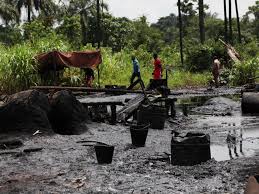
oil asset security in the Niger Delta