















Over 1,800 killed in US-Israel-Iran war
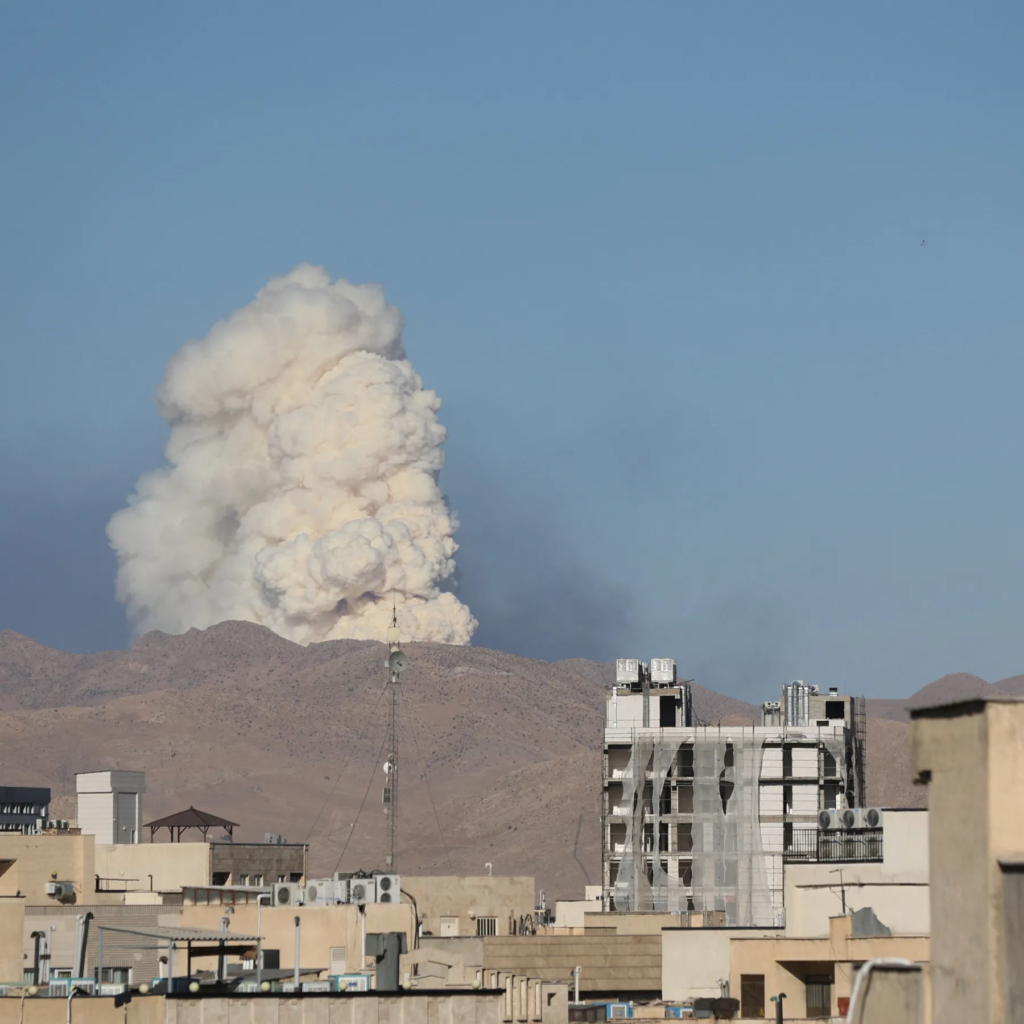
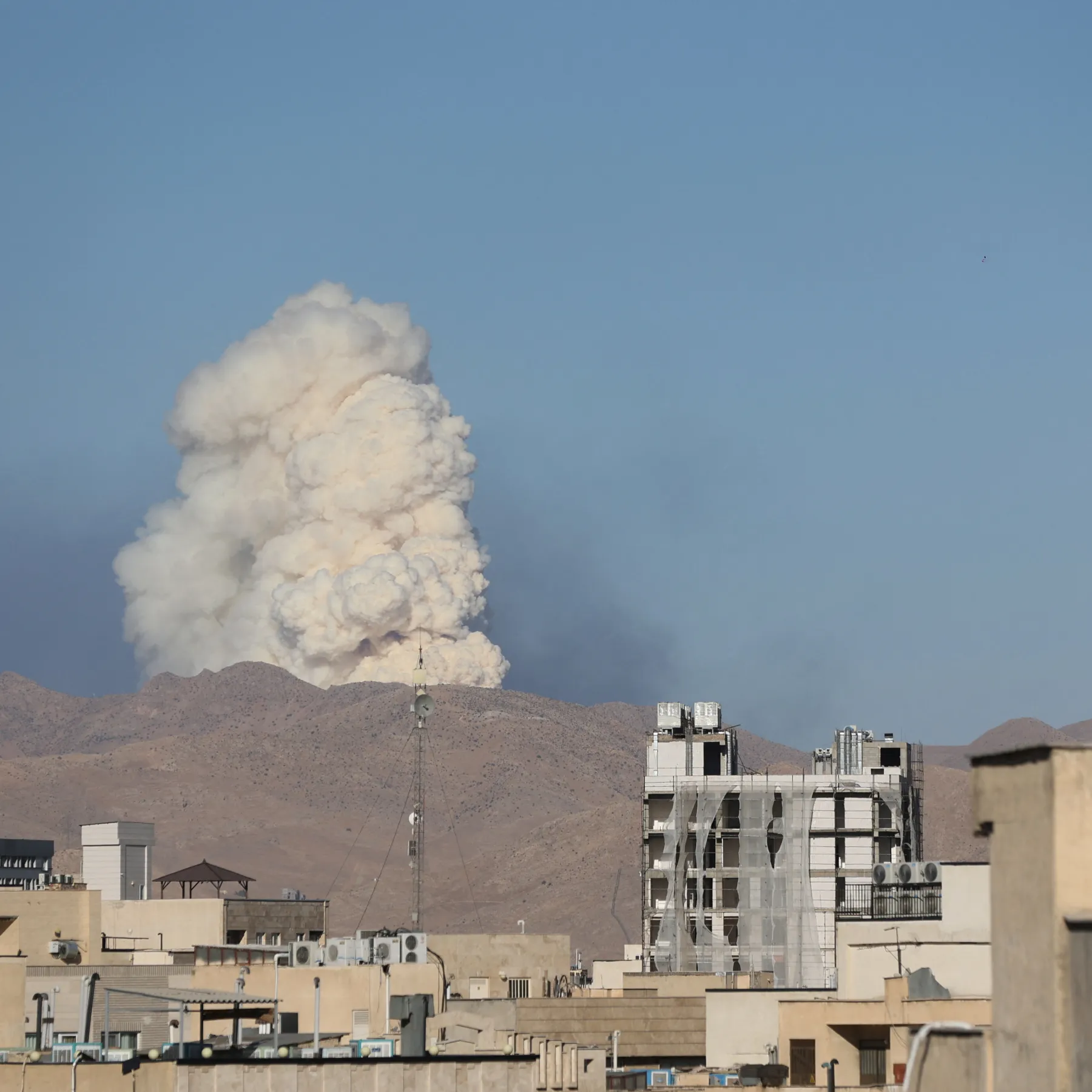
Over 1,800 killed in US-Israel-Iran war is no longer just a grim headline. It is now the clearest sign yet that the conflict has moved beyond military escalation into a full-scale humanitarian emergency stretching across Iran, Lebanon and Israel. According to the World Health Organization, more than 1,800 people have been killed and about 12,500 injured in less than two weeks of fighting, as hospitals, clinics and already fragile public health systems come under mounting pressure. 
The WHO warning, reported by Punch and reinforced by Reuters reporting on attacks on medical infrastructure, shows that the human cost of the war is rising faster than diplomatic efforts to contain it. Tedros Adhanom Ghebreyesus said the region’s health systems are under immense strain, while WHO has documented repeated attacks on healthcare sites and warned of worsening humanitarian conditions for displaced civilians. 
The phrase over 1,800 killed in US-Israel-Iran war deserves careful explanation. Punch reported that Tedros broke the toll down this way: more than 1,300 deaths and about 9,000 injuries in Iran, at least 570 deaths and around 1,400 injuries in Lebanon, and 15 deaths with roughly 2,142 injuries in Israel. Those figures together push the death toll above 1,800 and the injuries above 12,500. Reuters has separately cautioned that some country casualty figures in the war remain difficult to verify independently, which is important context for any accurate report. 
Still, even with those caveats, the direction of the crisis is unmistakable. Reuters reported on March 11 that WHO had verified 18 attacks on healthcare centres in Iran since the war began on February 28, resulting in eight deaths among health workers. During the same period, WHO said 25 attacks on healthcare centres in Lebanon caused 16 deaths and 29 injuries. These are not side details. They are central to why over 1,800 killed in US-Israel-Iran war is not just a military statistic but a warning that the systems meant to save lives are themselves under attack. 
WHO’s alarm is also about what happens after bombs fall. Reuters said the agency estimates that more than 100,000 people in Iran have relocated, while up to 700,000 people in Lebanon have been internally displaced. Many are sheltering in crowded buildings with scarce access to clean water, sanitation and hygiene, conditions that increase the risk of respiratory and diarrhoeal disease outbreaks, especially for women and children. Punch reported the same displacement pattern and the fear of disease spreading in worsening camp and shelter conditions. 
That is why over 1,800 killed in US-Israel-Iran war should not be framed as a simple body count. It is also a measure of collapsing access to care. Reuters reported that 49 primary healthcare centres and five hospitals in Lebanon have shut following evacuation orders, reducing the availability of essential services while medical needs continue to rise. In Iran, WHO has also warned about toxic air and “black rain” linked to strikes on oil facilities, raising the prospect of another health emergency layered on top of war trauma and mass displacement. 
https://ogelenews.ng/over-1800-killed-us-israel-iran-war
The broader death toll across the conflict zone shows how quickly the war has spread. Reuters’ compilation of reported fatalities across countries said that, as of March 11, at least 1,270 people had been killed in Iran according to state media, while Iran’s U.N. envoy put Iranian civilian deaths at more than 1,300. The same Reuters report listed at least 594 deaths in Lebanon, 12 in Israel, seven U.S. service members killed in action, and additional deaths in Iraq, Syria, the UAE, Saudi Arabia, Bahrain, Kuwait and Oman. That wider regional picture helps explain why over 1,800 killed in US-Israel-Iran war may prove to be only one stage in a still-rising toll. 
For newsrooms, this is where discipline matters. The strongest version of the story does not exaggerate or flatten the facts. It makes clear that WHO is sounding the alarm based on reported regional casualty totals, verified attacks on health infrastructure, and large-scale displacement. It also acknowledges that some country-level counts differ between WHO, state media and diplomats, and that Reuters has not independently verified every reported death. That makes the story stronger, not weaker. 
There is also a moral dimension to the WHO intervention. When the agency says over 1,800 killed in US-Israel-Iran war, it is not merely updating a dashboard. It is pressing all sides to respect international humanitarian law, protect civilians and stop hitting the infrastructure that keeps people alive. Reuters quoted WHO as saying health workers, patients and health facilities must always be protected. In a war already spilling across borders, ports, airports and oil routes, that reminder carries unusual urgency. 
The real weight of this story lies in what the number represents. Over 1,800 killed in US-Israel-Iran war means families buried under debris, children displaced into overcrowded shelters, exhausted doctors working through airstrikes, and a region edging closer to a public health breakdown. The statistic is staggering. The humanitarian warning behind it is even more serious.
https://punchng.com/over-1800-killed-in-us-israel-iran-war-says-who