
















Pakistan vows to eradicate terrorism
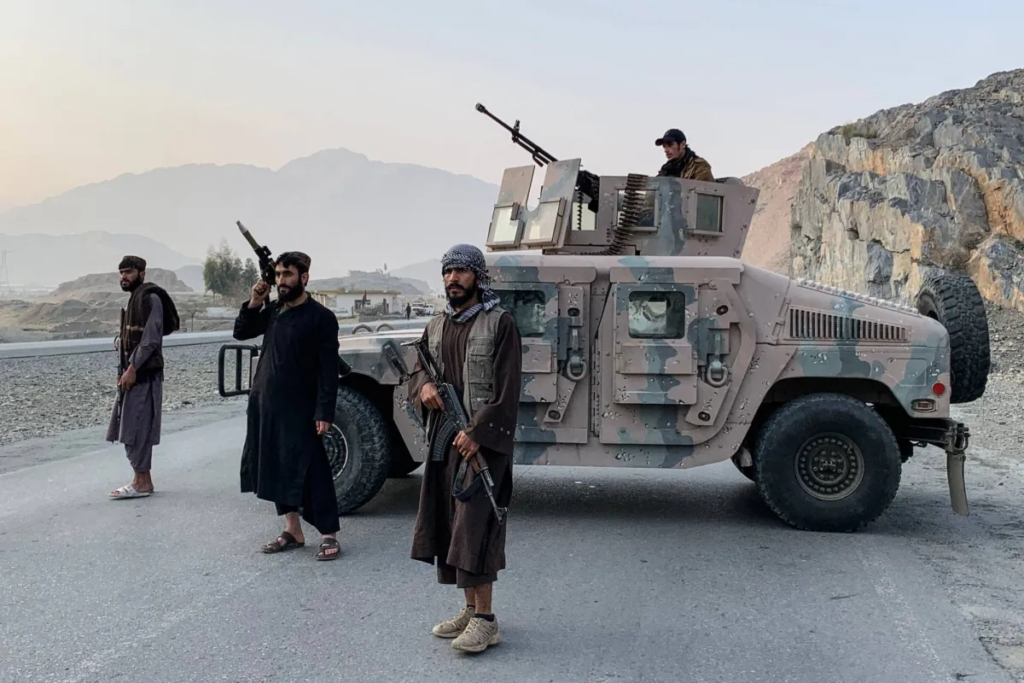
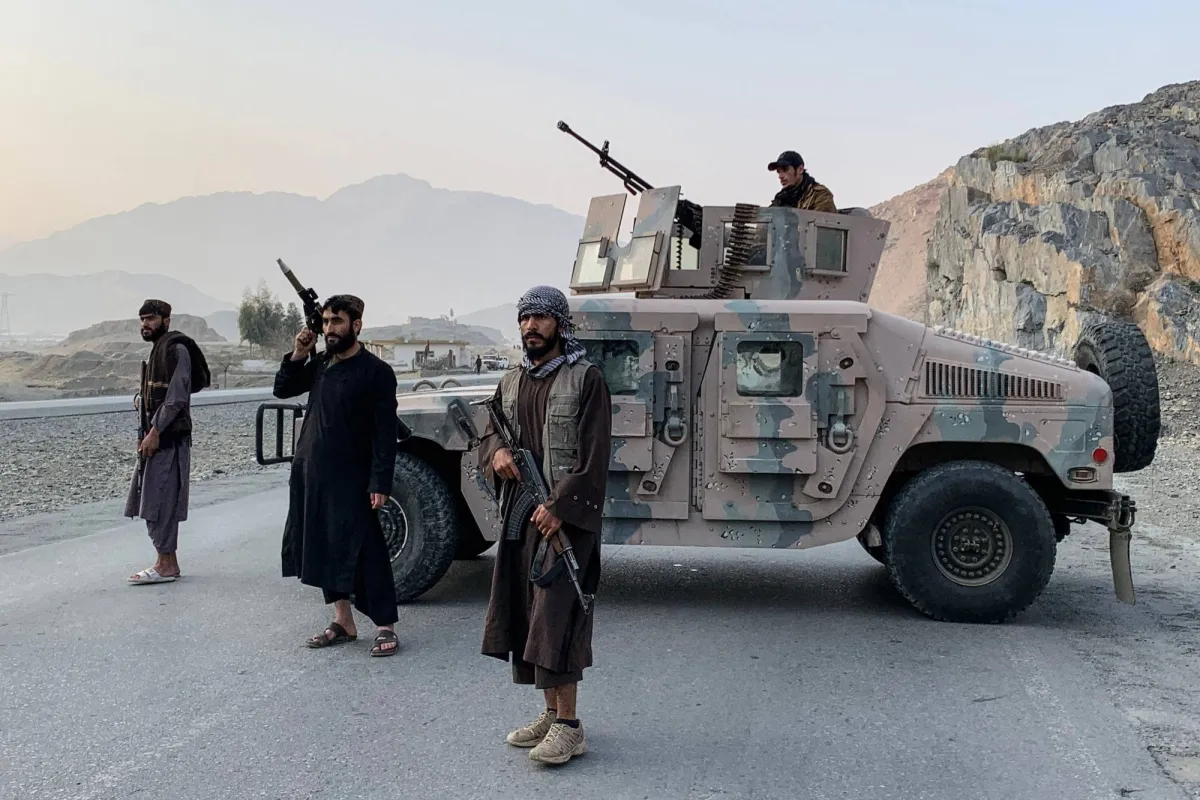
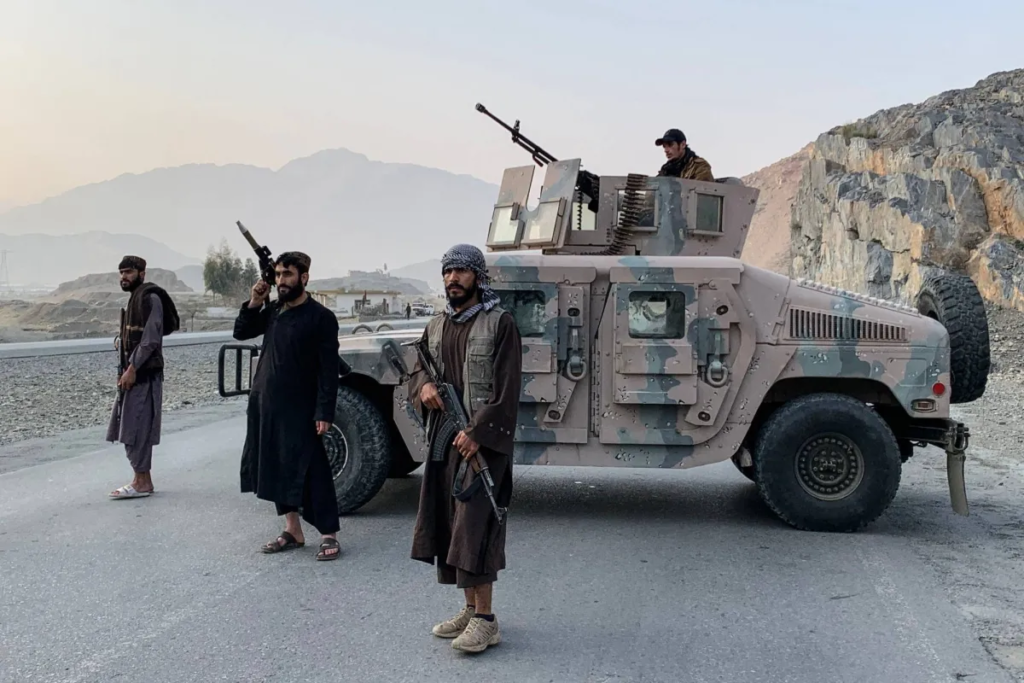
Pakistan has renewed its hardline security posture toward Afghanistan, warning that its campaign against militant threats will continue even as a temporary Eid ceasefire with Kabul moved toward its scheduled end on Monday night.
In a Pakistan Day message issued on Monday, Foreign Minister Ishaq Dar said Islamabad remained committed to wiping out what he described as the “menace of terrorism,” a statement that left little doubt about Pakistan’s position as the truce clock ticked down. The message came as both Pakistan and Afghanistan prepared for the expiry of a holiday pause in hostilities that had briefly lowered the temperature after weeks of deadly cross-border tension.
The phrase Pakistan vows to eradicate terrorism was not delivered in a vacuum. It came against the backdrop of months of worsening distrust between Islamabad and the Taliban-led government in Kabul, a relationship that has steadily deteriorated over claims by Pakistan that armed groups use Afghan territory to plan and launch attacks across the border. Afghan authorities have repeatedly denied those accusations.
At the centre of this standoff is Pakistan’s insistence that military pressure inside Afghanistan is tied to its broader counterterrorism doctrine. In his Pakistan Day remarks, Dar said Pakistan’s actions inside Afghanistan were directed toward that objective. Prime Minister Shehbaz Sharif, in a separate message, also described military action inside Afghanistan as a symbol of national resolve against terrorism. That language signals that even if the ceasefire expires without an immediate return to full-scale clashes, Islamabad is not preparing to soften its public position.
The latest truce was announced last Wednesday for the Eid al-Fitr holiday, with both sides agreeing to suspend hostilities until midnight Monday. The pause followed diplomatic pressure from Saudi Arabia, Turkey and Qatar, which the Associated Press reported were involved in efforts to calm the fighting. AP also reported that the Pakistani Taliban, or Tehrik-e-Taliban Pakistan, announced its own three-day ceasefire ahead of Eid, underlining just how combustible the security environment had become in the run-up to the holiday.
Still, the ceasefire has been fragile from the start. On Sunday, the Taliban government and a medical source said one person was killed by a mortar shell fired by Pakistan in Afghanistan’s eastern Kunar province. That report suggested that even before the formal end of the truce, violence had not entirely stopped at the frontier.
To understand why Pakistan vows to eradicate terrorism has become such a loaded message, it is necessary to look at the escalation that preceded it. The truce came after a Pakistani strike on a drug rehabilitation centre in Kabul last Monday. Afghan authorities said more than 400 people were killed in that attack, but Reuters later reported that an official with the U.N. Assistance Mission in Afghanistan put the toll at 143. Pakistan rejected the accusation that it had targeted a civilian medical facility, saying instead that it had struck military installations and terrorist support infrastructure.
That dispute over what was hit, and how many died, lies at the heart of the present crisis. Kabul sees the strike as a grave attack on Afghan sovereignty and on civilians. Islamabad frames it as part of a justified campaign against extremist infrastructure. This is why Pakistan vows to eradicate terrorism is more than a slogan. It is the public rationale Pakistan is using to defend cross-border action even as regional mediators try to prevent a wider conflict.
There is also a broader regional concern. Reuters has reported that the latest round of skirmishes began in February after earlier mediation efforts by Gulf states and China failed to produce durable calm. China has separately been involved in trying to ease tensions between the two sides, highlighting the extent to which this conflict now matters beyond the immediate border.
https://ogelenews.ng/pakistan-vows-to-eradicate-terrorism
For Pakistan, the message is politically useful at home. Pakistan vows to eradicate terrorism speaks directly to a public long traumatised by bombings, insurgent violence and frontier instability. For Afghanistan’s Taliban authorities, however, the same phrase confirms their fear that Pakistan intends to keep justifying action across the border under the banner of security. That clash in narratives makes the end of the truce especially dangerous.
The immediate question now is what happens after midnight Monday. There was no strong indication in the latest reporting that a longer ceasefire had been secured. Dar’s statement, rather than preparing the ground for compromise, appeared to reaffirm continuity in Pakistan’s posture. That means the region could be moving from a brief holiday pause back into a volatile cycle of accusation, retaliation and diplomatic firefighting.
What makes this moment especially delicate is that the truce did not resolve the underlying dispute. Pakistan still says militants are operating from Afghan territory. Kabul still rejects that claim. The fighting that resumed in February was only temporarily interrupted, not settled. In that sense, Pakistan vows to eradicate terrorism is both a declaration of intent and a warning that the next phase of this crisis may already be close at hand.
For now, the border remains tense, diplomacy remains fragile, and the ceasefire looks more like an intermission than a breakthrough. That is the real story behind the headline. Pakistan vows to eradicate terrorism just as the Afghan truce nears its end, and unless diplomacy quickly outpaces military logic, South Asia may be heading into another dangerous round of conflict.
https://punchng.com/pakistan-vows-to-eradicate-terrorism-as-afghan-truce-nears-end/