












PDP, APC trade words over Ondo’s ₦524bn 2026 budget
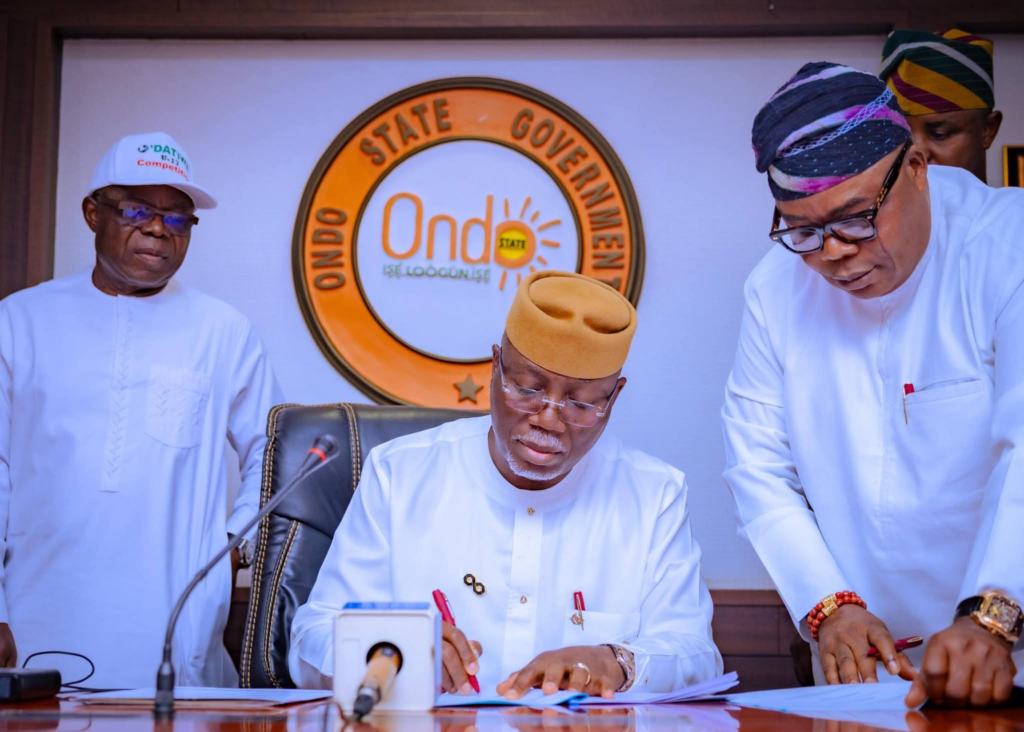
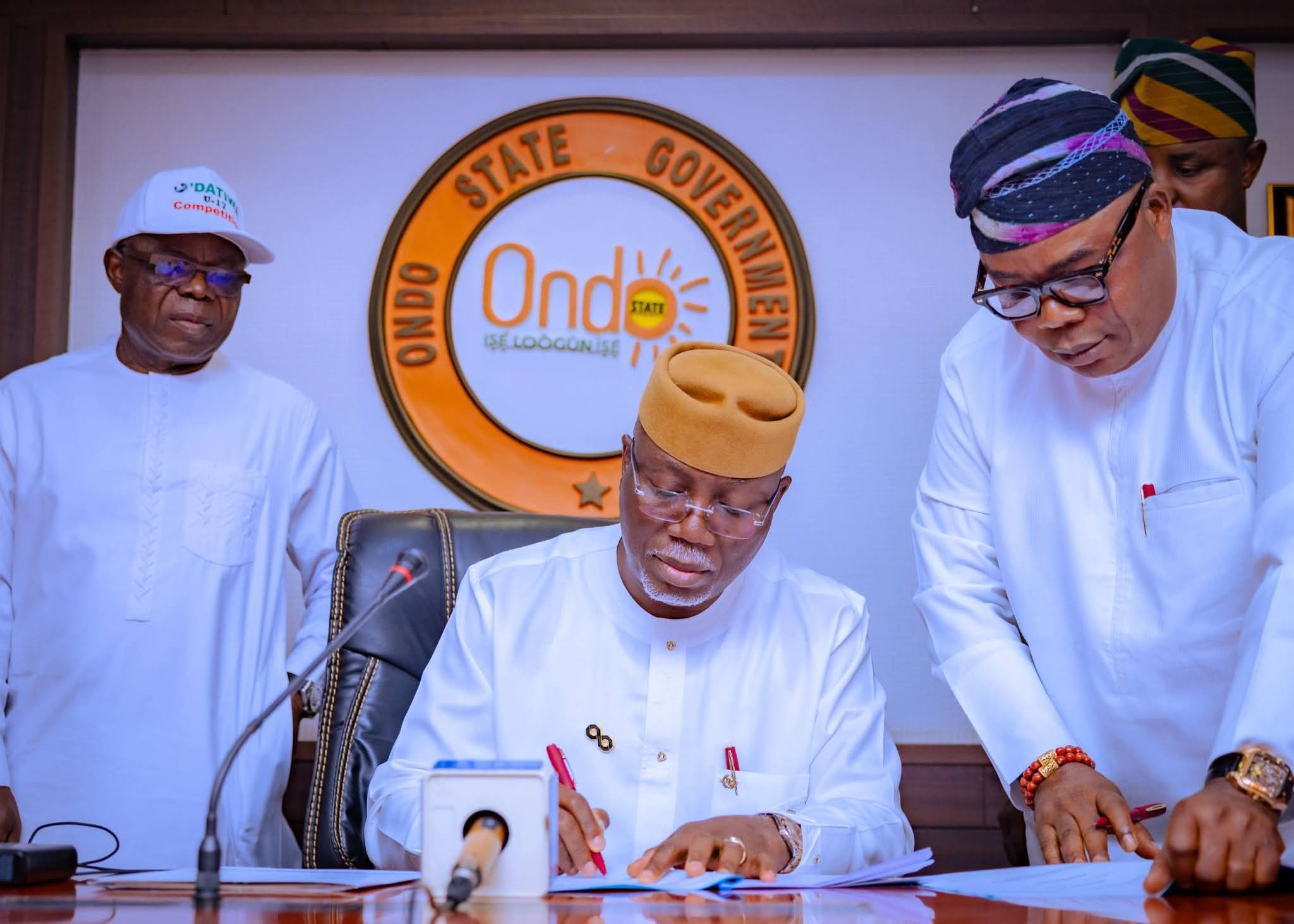
A fiery political debate has erupted in Ondo State after the passage and signing of the ₦524.4 billion 2026 budget by Governor Lucky Aiyedatiwa, with both the Peoples Democratic Party (PDP) and the All Progressives Congress (APC) trading sharp words over priorities, governance and economic direction for the Sunshine State. The disagreement underscores rising political tensions as factions clash over how the state’s resources should be managed and whether the spending blueprint genuinely reflects the needs of ordinary residents. 
Tagged the “Budget of Economic Consolidation,” the 2026 appropriation plan was signed into law late last year. It totals ₦524,410,590,939 — with approximately ₦220.8 billion (42.1 percent) earmarked for recurrent expenditure and ₦303.6 billion (57.9 percent) devoted to capital projects intended to drive infrastructure, economic resilience and human capital development. 
Despite the formal signing and legislative approval, the budget has become a flashpoint in local politics.
PDP’s Scathing Critique
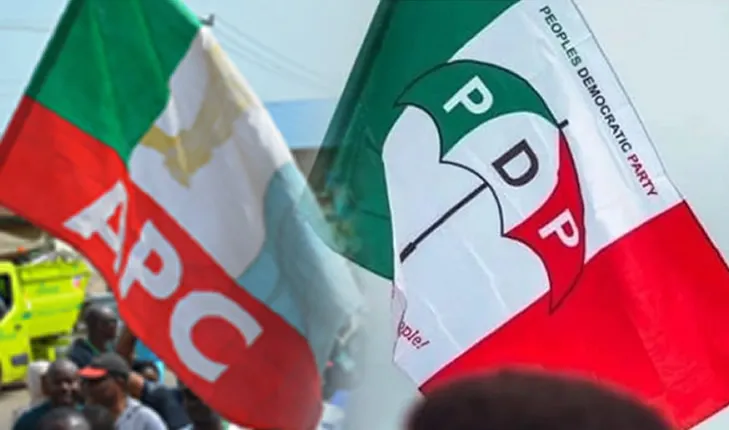
The opposition PDP, through its Director of Media and Public Communications, Wande Ajayi, issued a blistering statement criticising the budget’s content and the state government’s priorities. The party accused the Aiyedatiwa administration of prioritising “the comfort of political office holders” over the welfare of everyday citizens, especially amid economic pressures that continue to weigh on families and small businesses. 
According to the PDP, the composition of the budget reveals misplaced priorities, with too much emphasis on administrative overheads and insufficient focus on critical social services such as health, education and job creation. The party said the plan “exposes a government more committed to the comfort of political office holders than to the welfare of the people,” a charge that, if widely believed by residents, could deepen dissatisfaction with the ruling APC at the state level. 
PDP officials also took aim at specific allocations within the budget, questioning the logic behind significant spending plans amid existing challenges in core sectors. Though the budget sequences heavy capital allocation, critics say tangible outcomes on the ground — particularly in front-line service delivery — remain thin, prompting calls for stronger accountability and community-focused priorities. 
This criticism reflects broader calls from opposition voices for transparency and fiscal responsibility. In the past, the PDP has challenged high-profile projects that it considers unnecessary or symbolic at a time when many hospitals, schools and roads remain in disrepair or below acceptable standards. 
https://ogelenews.ng/pdp-apc-trade-words-ondo-524bn-2026-budget
APC’s Firm Defence
The APC, the party of Governor Aiyedatiwa, responded swiftly to the PDP’s critique, rejecting the accusations as false, politically motivated and detached from the reality of governance in the state. Party spokesmen argued that the 2026 budget reflects a careful balancing of limited resources with broad development goals, rooted in both current economic realities and long-term strategic planning. 
Supporters of the budget, including government officials, described it as strategic and responsive, designed to bolster infrastructure, food security, human capital and improved revenue generation. They framed the capital project allocation, which makes up the larger share of total spending, as an investment in transformative initiatives that will position Ondo State for growth and improved quality of life. 
APC representatives also emphasised that spending decisions were made through legislative processes that included debate, scrutiny and public consultation, arguing that the opposition’s narrative misrepresents both intent and impact. In their view, slashing backroom political spending while strengthening community-focused projects remains a gradual, accountable effort that cannot be turned around overnight without causing disruption to service delivery and institutional operations. 
Budget Breakdown and Political Stakes
While the partisan sparring has dominated recent headlines, the actual budget figures convey both ambition and challenge. The recurrent portion of over ₦220 billion covers salaries, pensions and the operational costs of government, reflecting the realities of public service responsibilities. The larger capital portion, over ₦303 billion, is intended for roads, healthcare facilities, schools, agriculture, environment, water projects, community development and other long-term investments that the governor says will create jobs and improve livelihoods. 
However, the allocation does not automatically guarantee delivery. Similar budgets in the past have faced implementation bottlenecks due to fiscal constraints, revenue shortfalls and administrative challenges, giving the PDP ground to question not just priorities but what will realistically be achieved with the money. 
Political analysts note that the debate over the Ondo budget is about more than numbers; it represents a broader contest between governance philosophies. For the APC, the budget signals a commitment to economic consolidation and infrastructure delivery. For the PDP, it highlights what they consider a failure to sufficiently uplift citizens amid rising living costs and persistent socio-economic needs. 
Public Reactions and Broader Implications
Residents and civic commentators have weighed in on the debate with mixed reactions. Some ordinary Ondo citizens echoed the PDP’s concerns, saying they want to see more measurable impact in schools, hospitals and youth programmes rather than big ticket items whose benefits seem distant. Others said that capital investments are necessary, but urged transparency and timely execution. 
Economists and policy experts watching the political tussle suggest that both parties have stakes in shaping public perception ahead of future elections. For the ruling APC, defending the budget is a way to show governance competence; for the opposition PDP, attacking it is a way to galvanise support and highlight areas of perceived neglect. 
Why This Matters
The clash over Ondo’s ₦524 billion 2026 budget illustrates the growing intersection between fiscal policy and political discourse in Nigeria’s states. Budgets are not only legal instruments but also narratives about values and priorities. When parties disagree so sharply over how money should be raised and spent, it reveals deep cleavages in public expectations and governance philosophies.
As implementation begins, the real test will lie in whether planned projects translate into real impacts — better schools, safer roads, functional hospitals and expanded economic opportunities. If residents feel the budget delivers on these fronts, political rhetoric may soon give way to measurable outcomes. If not, the debate may harden into sharper confrontations as the 2027 election cycle draws near.