














PDP convention: Wike bloc installs new NWC in Abuja
Nigeria’s main opposition party slipped deeper into internal crisis on Sunday as PDP convention: Wike bloc installs new NWC in Abuja, a move that underscores the widening fracture within the Peoples Democratic Party ahead of the 2027 elections.
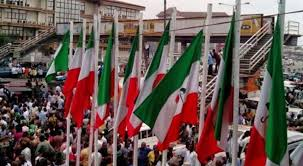
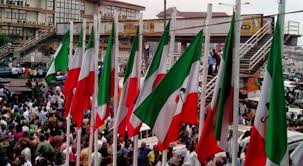
Delegates loyal to the Minister of the Federal Capital Territory, Nyesom Wike, gathered at the Moshood Abiola National Stadium in Abuja, where they affirmed a new National Working Committee in what the faction described as a decisive step toward repositioning the party.
The development means that PDP convention: Wike bloc installs new NWC in Abuja is not simply a routine party exercise. It is a political statement, one that signals control, legitimacy claims and a battle over the future direction of the PDP.
At the convention, a 19-member National Working Committee was unveiled, in line with the party’s constitutional structure. The NWC, which includes positions such as National Chairman, Secretary, Treasurer and Organising Secretary, is the highest administrative organ responsible for managing the party’s affairs at the national level.
Leading the newly installed leadership is Abdulrahman Mohammed as National Chairman, alongside other key officials including Samuel Anyanwu as National Secretary and Umar Bature as National Organising Secretary.
The faction said the process was backed by over 2,500 delegates who adopted a consensus approach to select the new leadership, a move supporters described as necessary to restore order after months of instability.
But the headline PDP convention: Wike bloc installs new NWC in Abuja cannot be understood without examining the resistance it triggered.
Several state chapters, including Edo and parts of Sokoto, boycotted the convention entirely, arguing that the exercise was illegal and should not have gone ahead while legal disputes within the party remain unresolved.
This is where the story becomes more complicated than a simple leadership announcement.
The PDP has been divided into rival blocs for nearly three years, with competing conventions, caretaker committees and legal battles shaping the party’s internal politics. The Abuja convention is effectively one side asserting dominance, while the opposing bloc continues to challenge its legitimacy.
So when PDP convention: Wike bloc installs new NWC in Abuja, it also deepens the question: who truly controls the PDP?
At the convention, key figures including former Senate President Bukola Saraki and former governors called for unity, urging members to close ranks and rebuild trust within the party.
Those appeals reflect a deeper anxiety within the party. Without reconciliation, the PDP risks entering the 2027 electoral cycle weakened, fragmented and unable to present a united front against the ruling party.
For Wike and his allies, however, the convention represents a turning point.
In his remarks, Wike framed the development as a “renaissance” moment for the PDP, insisting that the party was being reclaimed and repositioned for national relevance.
Supporters argue that the new NWC provides the structure needed to restore discipline, rebuild grassroots support and prepare the party for future elections.
But critics see something else.
They see a consolidation of power by one faction, potentially at the expense of internal democracy and consensus.
That tension is central to understanding why PDP convention: Wike bloc installs new NWC in Abuja is such a significant political development.
It is not just about leadership. It is about legitimacy.
It is about control of party machinery, candidate selection processes and ultimately, the PDP’s ability to compete effectively in national elections.
There is also a legal dimension that cannot be ignored.
Prior to the convention, disputes over leadership had reached the courts, with rulings and counter-rulings shaping the political landscape within the party. Some stakeholders insist that until those issues are conclusively resolved, any convention or leadership structure remains open to challenge.
That uncertainty casts a shadow over the newly installed NWC.
Even within states that participated, there were signs of division. In Sokoto, for example, different factions openly disagreed on whether to attend, reflecting the broader fragmentation within the party.
https://ogelenews.ng/pdp-convention-wike-bloc-installs-new-nwc-in-abuja
Still, the convention went ahead.
And the message was clear.
PDP convention: Wike bloc installs new NWC in Abuja.
The political implication of that statement will unfold over time.
If the new leadership gains wider acceptance, it could stabilise the party and provide a platform for rebuilding.
If not, it could deepen the crisis and lead to further fragmentation.
For now, the PDP stands at a crossroads.
On one side is the possibility of renewal, with a new leadership structure promising unity and direction.
On the other is the risk of prolonged division, with parallel loyalties and unresolved disputes weakening the party’s national influence.
The stakes are high.
Nigeria’s political landscape has long depended on a strong opposition to balance power and deepen democratic accountability. A fractured PDP raises questions about that balance.
So when PDP convention: Wike bloc installs new NWC in Abuja, it is not just internal party news.
It is a development with national implications.
For Ogele News, the real story lies beyond the event itself.
It lies in what happens next.
Will the party reconcile?
Will the new NWC consolidate authority?
Will the courts settle the disputes?
Or will the PDP enter the 2027 race divided?
For now, one thing is certain.
PDP convention: Wike bloc installs new NWC in Abuja has reshaped the internal dynamics of Nigeria’s main opposition party.
And the consequences are only just beginning.
https://punchng.com/pdp-convention-wike-bloc-installs-new-nwc-in-abuja