








Police Council confirms Disu as IG
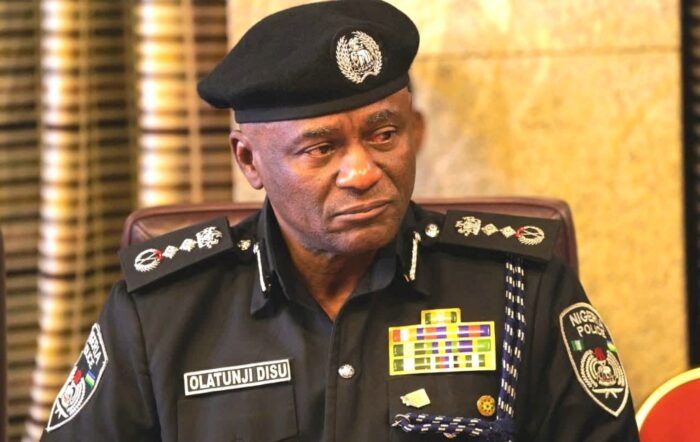
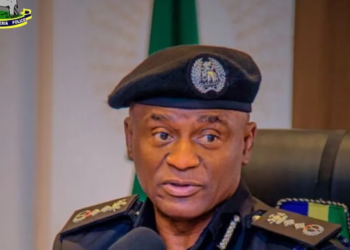
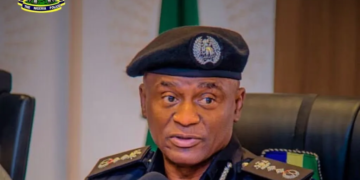
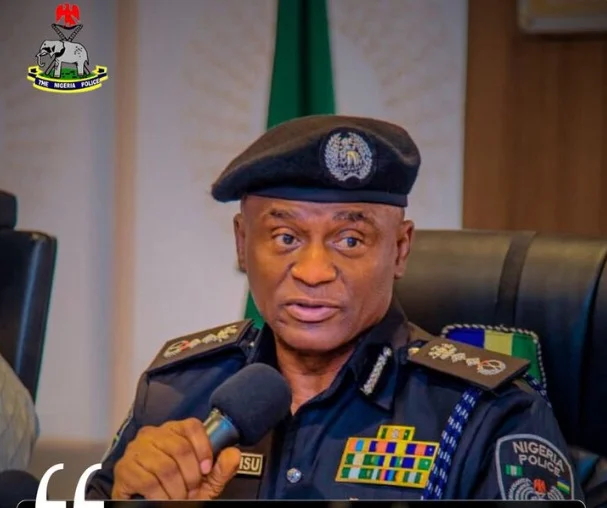
Police Council confirms Disu as IG as the National Police Council on Monday, March 2, 2026, unanimously endorsed Olatunji (Tunji) Disu as the substantive Inspector-General of Police (IGP), moving him from acting status into the formal lane required by law for Nigeria’s top policing job. 
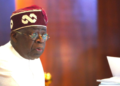
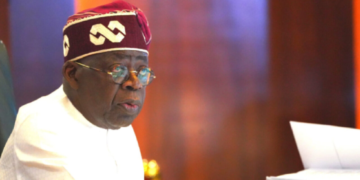
The confirmation took place at the Council Chamber, State House, Abuja, in a meeting President Bola Tinubu presided over. Presidential spokesman Bayo Onanuga confirmed the outcome shortly after the session, telling journalists the endorsement was unanimous. 
In the words of the day’s headline, Police Council confirms Disu as IG — and that endorsement is not just ceremonial. It is a key statutory step that clears the way for the appointment to be forwarded to the Senate for confirmation, in line with the process referenced by the Presidency around the succession. 
What happened inside the Villa
According to Punch’s report, Monday’s gathering began at about 2:15pm when Tinubu arrived at the Council Chamber, and the meeting lasted about 40 minutes. 
After the session, Onanuga confirmed the resolution: the Council had unanimously endorsed Disu as substantive IGP. That clarity is important because it removes uncertainty around whether the leadership transition would drag into weeks of political bargaining. 
So, Police Council confirms Disu as IG is best understood as a procedural milestone that signals the appointment has crossed one of the biggest hurdles in Nigeria’s policing leadership pipeline.
Why the Police Council’s endorsement matters
The Nigeria Police Council is chaired by the President and includes all 36 state governors, the Chairman of the Police Service Commission, and the Inspector-General of Police. 
That composition makes its endorsement unusually weighty. It is one of the few security governance platforms where the federal centre and the states sit in the same room to take a major decision about internal security architecture. This is why today’s development, Police Council confirms Disu as IG, carries implications beyond the police institution itself: it is a signal of political consensus on who should lead the Force at a time of layered security pressure.
Vanguard also reported that Tinubu presided over the meeting and that, following the Council’s endorsement, the appointment would be transmitted to the Senate for confirmation in line with constitutional and statutory provisions. 
The backstory: from acting appointment to confirmation
Disu had been serving in an acting capacity after the exit of former IGP Kayode Egbetokun, and the Presidency had already indicated the Police Council would be convened “shortly” to formally consider Disu’s appointment before sending his name to the Senate. 
That is why Police Council confirms Disu as IG reads as the follow-through on a plan that was publicly telegraphed: acting appointment first, Council endorsement next, and then Senate confirmation.
https://ogelenews.ng/police-council-confirms-disu-as-ig
Who was in the room
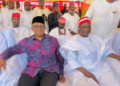
Punch listed senior federal officials and governors present at the meeting, including the Vice President Kashim Shettima, SGF George Akume, NSA Nuhu Ribadu, the Head of Service Didi Walson-Jack, and a number of state governors, alongside ministers including the FCT Minister. 
Those names matter because they show the session was treated as a high-level security governance meeting, not a box-ticking event. In other words, Police Council confirms Disu as IG happened in a room filled with the people who will most immediately feel the consequences of police leadership decisions: the security leadership of the federation and state executives who face public pressure over crime, violence, and public order.
What this means for policing and politics
Nigeria’s policing debates often sit on three pressure points: public confidence, operational effectiveness, and accountability. A change at the top of the Force is rarely just administrative. It usually becomes a proxy conversation about reform, discipline, crime response, and the relationship between the police and the public.
Vanguard framed the timing as especially significant given the country’s multifaceted security challenges and the need for stable leadership at the top of the policing structure. 
That is the context in which Police Council confirms Disu as IG lands: a leadership decision made under public demand for visible improvements in safety, response time, and professionalism.
The next step: Senate confirmation
Even after the headline Police Council confirms Disu as IG, the process is not complete. The next formal step, as widely reported, is transmission of the name to the Senate for confirmation. 
That Senate stage will matter politically because it is where the appointment becomes fully locked in under Nigeria’s institutional checks. For the public, it will also offer another chance to assess what Disu’s emergence might mean for policing priorities, leadership tone, and operational direction.
For now, the key verified facts remain straightforward: the Council met, it endorsed him unanimously, and the process advances to the Senate. That is the story. And it is why Police Council confirms Disu as IG is the headline Nigeria is carrying into the week. 
https://punchng.com/just-in-police-council-confirms-disu-as-ig