






Abuja protest
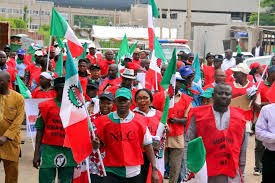
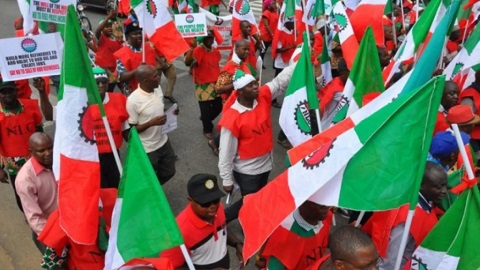
Nigeria’s already tense civic space was further tested as the Nigeria Police Force formally urged the Nigeria Labour Congress and the Trade Union Congress to reschedule their planned protest in Abuja, citing security concerns and the need to maintain public order in the nation’s capital.
The appeal comes ahead of a protest scheduled for Tuesday, organised by labour unions to press demands linked to worsening economic hardship, cost-of-living pressures, and broader governance concerns. While police authorities insist their call is precautionary and not prohibitive, labour leaders and civil society groups see it as part of a recurring pattern where security advisories intersect uncomfortably with constitutionally protected rights.
At the heart of the controversy is a familiar Nigerian dilemma: how to balance public safety with the right to dissent, especially at a time of heightened economic anxiety.
Why the Police Are Asking for a Reschedule
According to police authorities, intelligence assessments suggest that the timing and scale of the planned Abuja protest pose potential security risks. Abuja, as the seat of federal power, hosts critical national infrastructure, diplomatic missions, and high-level government institutions, making large public gatherings especially sensitive.
The police list several concerns:
• Crowd control challenges in high-traffic zones
• Risk of criminal infiltration into peaceful protests
• Possible disruption of essential services
• Competing security deployments nationwide
From the police perspective, urging labour unions to reschedule Tuesday’s Abuja protest is framed as a risk-management decision, not an attempt to suppress lawful assembly.
However, the absence of publicly detailed threat assessments has fuelled scepticism among labour leaders and rights advocates.
Labour’s Response: Protest as Economic Necessity
For the NLC and TUC, the Abuja protest is not symbolic theatre. It is a response to deepening economic strain felt by workers and households across the country.
Union leaders argue that:
• Inflation has outpaced wage adjustments
• Living costs continue to rise sharply
• Social safety nets remain inadequate
• Workers feel excluded from economic decision-making
From this standpoint, delaying or rescheduling the protest risks dulling public urgency and signalling that economic grievances can always be deferred in the name of security.
Labour insists it has complied with legal requirements, notified authorities, and committed to peaceful conduct.
https://ogelenews.ng/police-urge-nlc-tuc-reschedule-abuja-protest
A Long History of Protest–Security Tension
The standoff reflects a long-standing dynamic in Nigeria’s political life.
From fuel subsidy protests to wage-related demonstrations, security agencies have often issued advisories urging postponement, relocation, or modification of protests. Labour groups, in turn, frequently interpret these advisories as indirect restrictions rather than neutral safety guidance.
Over time, this pattern has produced mutual distrust:
• Security agencies fear unrest spiralling beyond control
• Labour fears incremental erosion of civic freedoms
The call to reschedule Tuesday’s Abuja protest fits squarely within this historical tension.
Abuja’s Unique Sensitivity
Abuja is not just another city.
As Nigeria’s capital, protests in Abuja carry amplified political and symbolic weight. Demonstrations near government districts draw national and international attention, increasing the stakes for both organisers and security agencies.
For the police, a mismanaged protest in Abuja could have far-reaching consequences. For labour, Abuja is precisely where national grievances must be heard.
This dual significance explains why protests in the capital often attract heightened scrutiny.
Legal Ground: Rights and Grey Areas
Nigeria’s Constitution guarantees the right to peaceful assembly and association. Courts have repeatedly held that citizens do not require police permits to protest.
At the same time, security agencies are empowered to issue advisories based on credible threat assessments.
The legal grey area lies in enforcement: when does an advisory effectively become a restriction?
Legal experts argue that:
• Transparency strengthens legitimacy
• Dialogue reduces confrontation
• Blanket calls for postponement, without specifics, invite suspicion
The police urging NLC and TUC to reschedule Tuesday’s Abuja protest thus sits at the intersection of law, discretion, and trust.
Civil Society Reactions
Civil society organisations have urged calm on both sides.
Some advocate compromise, suggesting that:
• Police should provide clearer justification for security concerns
• Labour should reaffirm commitment to non-violence
• Dialogue should be prioritised over standoffs
Others warn that repeated rescheduling requests risk normalising delays that sap civic momentum, especially during periods of economic stress.
Economic Pressure as the Real Catalyst
Beneath the procedural dispute lies a deeper issue: economic hardship.
High food prices, transport costs, and stagnant incomes have stretched households thin. For many Nigerians, labour protests represent one of the few collective channels for expressing discontent.
The planned Abuja protest is framed by unions as a pressure valve for growing frustration, not a threat to public order.
Ignoring this context, analysts warn, risks misreading the roots of agitation.
What Options Are on the Table
As of now, labour unions have not issued a final decision.
Possible paths include:
• Proceeding with the protest as planned
• Agreeing to a new date after negotiations
• Modifying protest routes or scale
• Converting the protest into alternative forms of engagement
Each option carries implications for labour credibility, police authority, and public perception.
Implications Beyond Tuesday
The outcome of this episode will reverberate beyond a single protest.
It will shape:
• Future protest–security engagements
• Public confidence in civic space
• Labour’s strategic posture
• Police credibility as neutral arbiters
In a democracy under economic strain, how dissent is managed matters as much as the dissent itself.
The Bigger Picture
The police urging NLC and TUC to reschedule Tuesday’s Abuja protest highlights a broader national challenge: governing dissent in hard times.
Security concerns are real. Economic pain is real. Rights are real.
The test lies in whether institutions can hold these realities in balance without tipping toward repression or disorder.
The Bottom Line
The request by police for labour unions to reschedule Tuesday’s Abuja protest is not merely about timing. It is about trust, transparency, and the limits of state discretion.
As Nigerians watch closely, the handling of this moment will signal whether dialogue or confrontation defines the next chapter of labour–state relations.
Abuja protest