














Power output drops to 4,300MW due to 57% gas supply – NISO
In a public notice titled “Declining Power Output Attributable to Generation Shortfalls and Gas Supply Limitations,” the Nigerian Independent System Operator (NISO) said the average available generation has fallen to around 4,300 megawatts, a level far below what the country needs, and far below what its installed capacity suggests on paper.
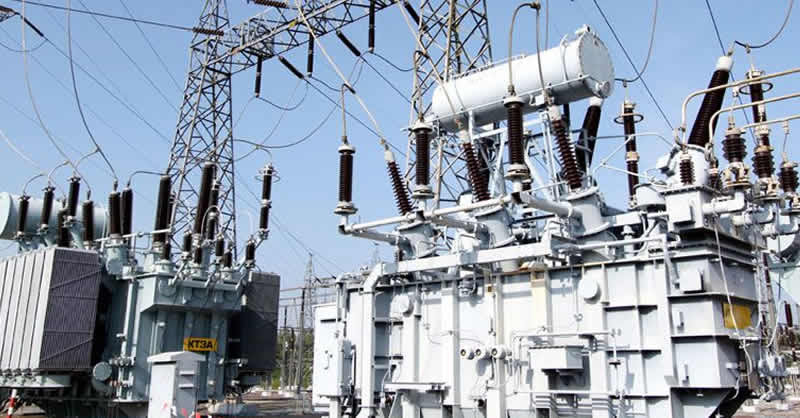
NISO’s argument is direct: Nigeria can’t generate what it doesn’t fuel. Thermal power plants dominate the generation mix, and when gas flow tightens, the grid output drops, DisCos receive less energy, and households and businesses take the hit.
That is the hard reality behind the headline again: Power output drops to 4,300MW due to 57% gas supply – NISO.
The numbers behind the 57% gap
NISO provided operational data that puts the crisis in black and white.
- Thermal plants require about 1,629.75 million standard cubic feet (mmscf) of gas per day to operate at optimal capacity.
- But as of February 23, 2026, actual supply was about 692.00 mmscf/day.
- That is less than 43% of required volume, meaning a shortfall of more than 57%.
So when Nigerians hear “Power output drops to 4,300MW due to 57% gas supply – NISO,” what it really means is that more than half of the gas needed to keep thermal plants running is missing from the system.
https://ogelenews.ng/power-output-drops-to-4300mw
How it started: February maintenance and lingering constraints
NISO said the outages began in early February after scheduled maintenance on key gas supply infrastructure temporarily disrupted deliveries to multiple thermal plants, triggering a nationwide decline in generation.
Earlier in mid-February, NISO had warned the market that planned maintenance from February 12–15, 2026 would constrain gas availability to major plants including Egbin, Azura, Sapele and Transcorp, with additional plants like Olorunsogo and Omotosho potentially affected through network-wide balancing effects.
That warning has now matured into the present reality captured in the headline: Power output drops to 4,300MW due to 57% gas supply – NISO.
What NISO says it is doing: load shedding and MYTO allocation
With generation down and supply unable to meet demand, NISO said it has been compelled to implement load shedding to stabilise the grid and avoid system disturbances.
The operator said when total system generation drops significantly, the Independent System Operator must shed load across the system while dispatching available energy in line with NERC MYTO allocation percentages across distribution networks.
This is the part many consumers experience as “the new normal”: less energy into the DisCos, heavier rationing, and longer blackouts. It is also why the phrase Power output drops to 4,300MW due to 57% gas supply – NISO is not a technical headline. It is a daily-life headline.
Why gas remains Nigeria’s choke point
Nigeria’s grid is structurally dependent on gas. Punch notes that gas-fired thermal plants account for over 70% of grid electricity, with hydropower contributing the balance. That dependence means disruptions from maintenance shutdowns, vandalism, production shortfalls, pricing disputes, and liquidity problems can quickly cascade into national outages.
NISO’s earlier notices also show the system’s fragility: even scheduled maintenance on a major gas facility can shave hundreds of megawatts from expected availability and force emergency operational measures.
So when Power output drops to 4,300MW due to 57% gas supply – NISO hits the news, it is less a surprise than a consequence of a system that is fuel-constrained and tightly coupled.
The wider grid context Nigerians can’t ignore
Nigeria’s electricity system has also struggled with wider grid instability. Reuters reported a major national grid collapse in September 2025 after a generator tripped, triggering cascading failures, again highlighting the system’s vulnerability and the heavy costs Nigerians bear when supply drops.
That broader history matters because today’s situation is not just about low generation; it is about how close the grid can get to the edge when fuel is constrained and demand remains high.
NISO itself notes Nigeria’s peak demand is estimated at over 20,000MW, meaning a 4,300MW average underscores an enormous supply gap.
Which brings us back to the headline, for the seventh and eighth time Nigerians will repeat it this week: Power output drops to 4,300MW due to 57% gas supply – NISO.
Bottom line
NISO is telling the country, in plain numbers, that the grid is running on less than half of the gas it needs. Until gas supply becomes stable and commercially reliable for thermal plants, outages and rationing will remain part of the national electricity story, regardless of reforms in grid management.
https://punchng.com/power-output-drops-to-4300mw-due-to-57-gas-supply-niso