


















private capital financing Nigeria
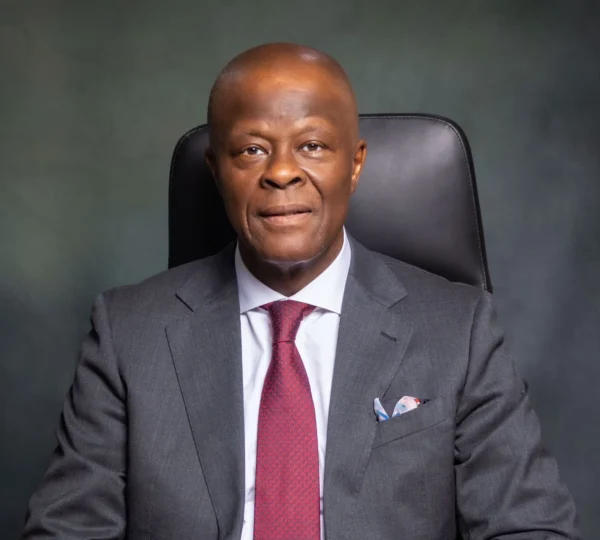
Nigeria is deliberately transitioning away from costly foreign borrowing and toward a new financing model driven by private capital, domestic reforms, and diversified funding sources, Finance Minister and Coordinating Minister of the Economy, Wale Edun, has said. 
Speaking at the G-24 Technical Group Meeting in Abuja, Edun said the shift reflects a broader strategy to build a more resilient and sustainable economic framework that reduces dependence on external debt while strengthening domestic financing capacity. 
The minister stated clearly that the country is moving toward a development model powered by private investment, improved fiscal management, and alternative financing instruments.
His remarks confirm a major policy shift in how Nigeria intends to fund infrastructure, economic development, and public services in the coming years.
Why Nigeria is shifting away from foreign borrowing
The decision to prioritise private capital financing Nigeria comes against the backdrop of rising external debt servicing costs and growing fiscal pressure on government finances.
Recent data show that Nigeria spent nearly $2.93 billion servicing Eurobond debts, with about 83 per cent of that amount going toward interest payments alone, highlighting the high cost of commercial borrowing. 
This trend has placed significant strain on Nigeria’s budget, limiting the government’s ability to invest in infrastructure, education, healthcare, and economic development.
Edun warned that the global financial environment has become increasingly hostile to developing countries, making foreign borrowing more expensive and less sustainable.
He noted that global shocks such as the COVID-19 pandemic, geopolitical conflicts, and tightening financial conditions have increased borrowing costs for countries like Nigeria. 
As a result, Nigeria is repositioning its economic strategy toward private capital financing Nigeria to reduce reliance on expensive foreign debt.
What private capital financing Nigeria means
Private capital financing Nigeria refers to the government’s plan to attract investment from private sector institutions, both domestic and international, instead of relying heavily on loans from foreign creditors.
This includes:
• Foreign direct investment (FDI)
• Public-private partnerships
• Infrastructure investment funds
• Sovereign wealth and blended finance mechanisms
Edun said this approach aligns with global trends that emphasize diversified financing instruments and sustainable development funding. 
Private capital financing Nigeria is expected to reduce government debt exposure while accelerating economic growth.
https://ogelenews.ng/private-capital-financing-nigeria
Nigeria’s broader economic reform strategy
The shift toward private capital financing Nigeria is part of wider economic reforms designed to stabilise public finances and strengthen investor confidence.
Edun recently confirmed that Nigeria is accelerating its transition to a private-sector-led economy by offering state assets and investment opportunities to private investors. 
The government has also implemented policies aimed at improving fiscal transparency, strengthening revenue collection, and expanding investment inflows.
Nigeria’s infrastructure investment strategy reflects this new direction.
The Infrastructure Corporation of Nigeria, a government-backed institution, was created to mobilise up to ₦15 trillion in private capital to address Nigeria’s infrastructure deficit. 
This initiative highlights how private capital financing Nigeria is becoming central to national development planning.
Economic benefits of private capital financing Nigeria
Experts say the transition to private capital financing Nigeria offers several important benefits.
First, it reduces Nigeria’s vulnerability to foreign debt crises.
Second, it improves fiscal sustainability by lowering interest payments and debt servicing obligations.
Third, it increases investment in infrastructure and economic development.
Fourth, it strengthens economic stability and investor confidence.
Economic reforms and private investment are expected to help Nigeria achieve sustained GDP growth of up to seven per cent in the coming years. 
Private capital financing Nigeria is therefore not just a financial adjustment but a structural economic transformation.
Challenges Nigeria must overcome
Despite the advantages, the shift toward private capital financing Nigeria presents several challenges.
Nigeria must create a stable investment environment, strengthen regulatory institutions, and ensure policy consistency to attract long-term investors.
Investor confidence depends heavily on transparency, governance, and economic stability.
Infrastructure gaps, security concerns, and currency volatility remain key issues that must be addressed.
Edun emphasised that sustained economic reforms and institutional strengthening are essential to support private capital financing Nigeria.
Global context and strategic implications
Nigeria’s transition reflects a broader global shift among developing countries toward private capital financing Nigeria and away from heavy reliance on external borrowing.
International development finance is increasingly focused on mobilising private investment to support economic growth.
Nigeria’s policy direction aligns with these global trends.
The government believes private capital financing Nigeria will help unlock economic growth, reduce debt burdens, and strengthen fiscal sustainability.
What this means for Nigeria’s economic future
If successfully implemented, private capital financing Nigeria could transform the country’s economic landscape.
The shift is expected to improve infrastructure development, reduce debt pressure, and support long-term economic stability.
It also reflects Nigeria’s effort to build a more resilient and diversified economy capable of sustaining growth without excessive reliance on foreign loans.
Edun’s announcement signals a strategic turning point in Nigeria’s economic management.
Private capital financing Nigeria is now at the centre of the country’s economic reform agenda.
https://punchng.com/nigeria-moving-from-costly-foreign-debt-to-private-capital-edun