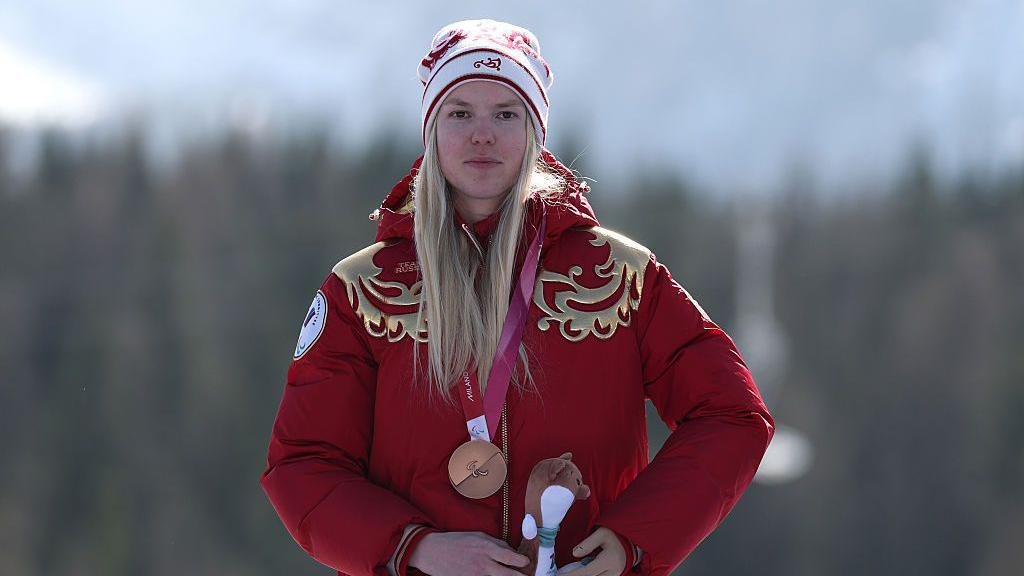













Russia wins first Paralympic gold since 2014 after para-alpine skier Varvara Voronchikhina claimed victory in the women’s super-G standing event at the 2026 Winter Paralympics in Milan-Cortina, marking a symbolic return for Russian athletes to the top of the Paralympic podium after more than a decade.
The win represents Russia’s first gold medal at the Winter Paralympics since the Sochi Games in 2014, ending a long period during which the country’s athletes faced bans and restrictions stemming from international doping sanctions and geopolitical tensions.
For many observers, the moment carried significance far beyond the medal ceremony. It signaled the reappearance of Russian athletes in international Paralympic competition at a time when global sport continues to navigate complex political realities.
A Historic Return to the Paralympic Podium
Russia wins first Paralympic gold since 2014 at a Games already charged with symbolic meaning.
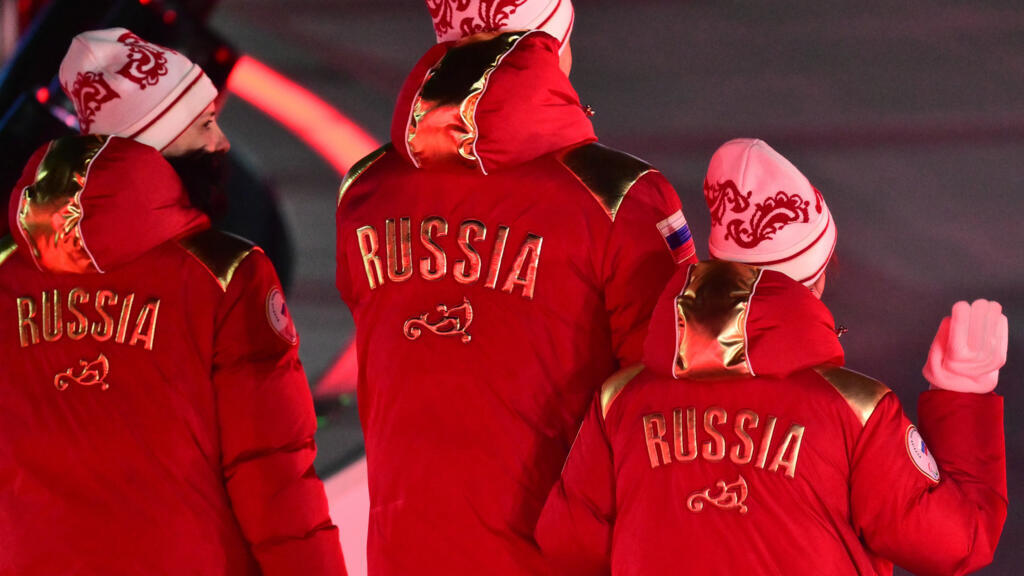
The Milan-Cortina Paralympics mark the first time in more than a decade that Russian athletes have been permitted to compete under their own national flag at the Winter Paralympic Games.
For years, Russia’s presence at major sporting events had been heavily restricted following investigations into a state-sponsored doping program that led to sanctions from international sports bodies.
Those restrictions were later compounded by geopolitical tensions surrounding the war in Ukraine, which prompted additional debates over whether Russian athletes should be allowed to compete in international competitions.
Against this backdrop, Russia wins first Paralympic gold since 2014 became one of the defining moments of the early days of the 2026 Winter Paralympics.
Voronchikhina’s Breakthrough Performance
The athlete behind the milestone, Varvara Voronchikhina, delivered a strong performance in the women’s super-G standing event to secure the gold medal.
Her victory also meant that the Russian national anthem was played at the Paralympics for the first time in more than a decade, an outcome that underscored the symbolic importance of the moment for Russian sport.
Voronchikhina’s success followed earlier podium finishes by Russian athletes in alpine skiing events at the same Games.
Russian para-alpine skiers Voronchikhina and Aleksei Bugaev had already won bronze medals in downhill competitions earlier in the competition, marking Russia’s first Paralympic medals since 2014.
Those early medals set the stage for the gold-medal breakthrough that soon followed.
Russia’s Limited Team at the Games
Russia’s participation at the Milan-Cortina Paralympics remains limited compared with previous editions of the Games.
Only a small number of athletes from the country are competing, primarily in alpine skiing and snowboarding events.
According to official Paralympic data, six Russian athletes are participating in the Games, a fraction of the delegation sizes seen before the sanctions era.
Nevertheless, their performances have drawn global attention due to the political and sporting implications surrounding Russia’s return to the Paralympic stage.
https://ogelenews.ng/russia-wins-first-paralympic-gold-since-2014
A Paralympics Shaped by Geopolitics
The fact that Russia wins first Paralympic gold since 2014 has sparked mixed reactions internationally.
Supporters of the decision to allow Russian participation argue that athletes should not be punished for political decisions made by governments.
Critics, however, contend that Russia’s participation sends the wrong message amid ongoing geopolitical tensions.
The debate reflects a broader struggle within international sport: balancing the principles of athletic inclusion with the political realities that sometimes surround global competitions.
Competition at the Milan-Cortina Games
While Russia’s return has attracted significant attention, the broader Paralympic competition has been dominated by several other countries.
Ukraine, for example, has enjoyed strong performances in Nordic skiing events, winning multiple medals during the early stages of the Games.
Other nations such as Austria, Italy and France have also secured key victories in alpine skiing and snowboard competitions.
The Milan-Cortina Paralympics continue until mid-March, with athletes competing across disciplines including alpine skiing, biathlon, cross-country skiing and para-snowboard.
A Symbolic Moment for Russian Sport
For Russia, the moment when Russia wins first Paralympic gold since 2014 carries both sporting and symbolic significance.
The victory signals that Russian Paralympic athletes remain competitive on the global stage despite years of exclusion and controversy.
At the same time, it highlights the resilience of athletes who continued training and competing through a period of uncertainty.
For Voronchikhina, the athlete who delivered the breakthrough moment, the gold medal represents not only a personal achievement but also a milestone in the complicated relationship between sport and international politics.
As the Milan-Cortina Games continue, the story of how Russia wins first Paralympic gold since 2014 will remain one of the most closely watched narratives of the competition.