
















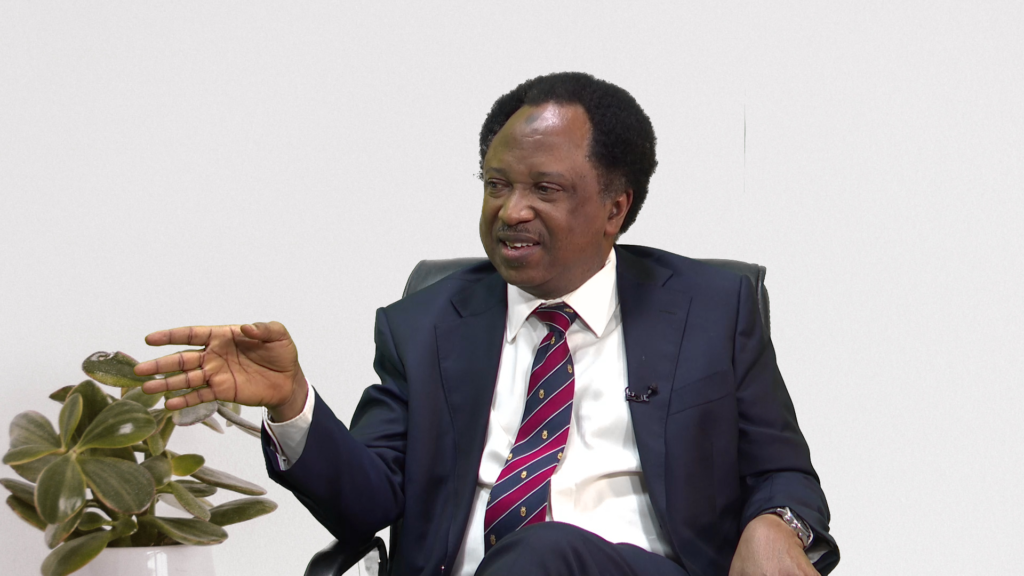
Shehu Sani backs Remi Tinubu over US air strikes in Sokoto
A prominent Nigerian public figure has broken ranks in a divisive national debate, offering vocal support to First Lady Oluremi (Remi) Tinubu’s endorsement of US-led airstrikes in Sokoto State, and urging stronger military action against terrorist groups operating in the northwest. Former senator and activist Shehu Sani has defended the controversial strikes, aligning himself with the First Lady’s position and calling critics of the operation “misguided,” as discussions around national sovereignty, counter-terrorism strategy and security cooperation intensify. 
The United States military carried out a series of airstrikes on December 25, 2025, in coordination with the Nigerian government, focusing on terrorist and militant targets in Sokoto State’s border regions. The strikes were part of a broader campaign against Islamic State affiliates and related armed groups linked to violent activity in the region. 
In a widely shared message on his X (formerly Twitter) account, Shehu Sani wrote that Remi Tinubu’s support for the US air strikes was justified, describing the military action as a “welcome development” and urging increased use of aerial strikes by the Nigerian Air Force to dismantle the operations of terrorists, bandits and kidnappers. 
The Basis of the Controversy
The US air strikes on militant enclaves in Sokoto have generated mixed reactions across Nigeria. Supporters argue the operation dealt a blow to entrenched jihadist and extremist groups that have terrorised local communities and aggravated insecurity in the northwest. Critics, including prominent civil society groups and local leaders, raised concerns about the sovereignty implications of foreign military operations on Nigerian soil and the lack of transparency about the legal framework governing such interventions. 
The First Lady, Remi Tinubu, who made comments supportive of the US action during a visit to Washington, D.C., described the strikes as a “blessing” and emphasised the importance of collaborative security efforts in tackling terrorism. Her remarks came amid scrutiny by some US lawmakers and Nigerian civil society members, who questioned the implications for Nigeria’s territorial autonomy and civilian protection protocols. 
This broader debate was ably reflected in a December 2025 report from The Guardian Nigeria, where civil society organisations cautioned that uncritical support for such strikes without clear oversight mechanisms risks undermining democratic accountability and Nigeria’s constitutional norms. 
Shehu Sani’s Endorsement and Its Rationale
Shehu Sani, who represented Kaduna Central in the Senate from 2015 to 2019 and has been an outspoken voice on security and democratic issues, took to social media to defend Remi Tinubu’s position. He framed the air strikes as a logical response to “heinous atrocities” committed by terrorists — including mass murder, rape and kidnappings — and argued that more such actions, ideally led by Nigeria’s own Air Force but backed by international cooperation, are necessary to restore security. 
“The December air strikes against bandits and terrorists in the North was a welcome development,” Sani wrote. “More strikes by our Air Force are needed against those mass murderers, rapists and kidnappers.” He added that he did not understand the criticisms levelled against the First Lady for her stance, given the severity of violent attacks in the country’s northwest. 
In a separate post, Sani reiterated his long-standing view that Nigeria must sustain and expand international cooperation in counter-terrorism efforts to successfully dismantle armed networks. Critics had expressed worries about issues including civilian safety, the legal mandate for external military involvement, and the need for robust oversight by elected institutions — concerns that Sani dismissed in favour of a more forceful approach to security. 
https://ogelenews.ng/shehu-sani-backs-remi-tinubu-over-us-air-strikes
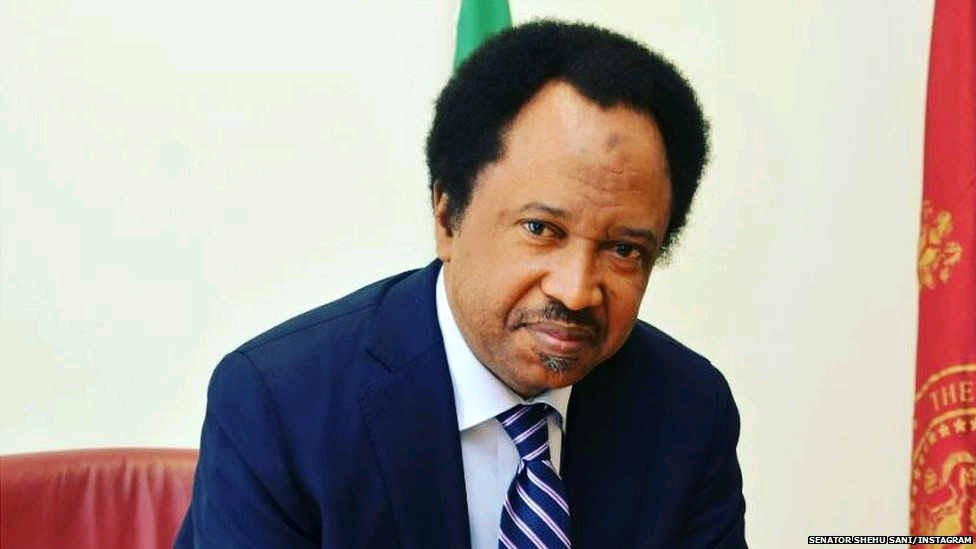
Security Conditions in Sokoto and the Northwest
Sokoto and neighbouring states in Nigeria’s northwest have faced a complex security landscape involving militant groups linked to the Islamic State’s Sahel Province and other extremist actors. According to international reports, these groups have entrenched themselves in rural and border areas, imposing harsh versions of militant rule, demanding taxes, and carrying out kidnappings and violent raids on communities. 
The December 2025 strikes were part of a broader US-Nigeria collaboration under the auspices of United States Africa Command (AFRICOM), which has worked in recent months to counter the spread of extremist activities in Nigeria’s northwest. Milelong missile launches and drone strikes were reported, though independent verification of their long-term effectiveness remained a matter of debate. 
While the Nigerian government asserted that these strikes targeted Islamic State militants and affiliated fighters, some observers noted that the militants’ operational networks often shift and blend into civilian settings, complicating efforts to assess the direct impact of such attacks without careful evaluation of civilian harm. This tension lies at the heart of the public debate over the ethical implications of any foreign military intervention. 
Public and Political Reactions
Responses to Shehu Sani’s endorsement and Remi Tinubu’s supportive comments have been mixed. Some citizens and political observers welcomed the assertion that stronger military actions are needed to confront extremism, praising both figures for taking a firm stand against terror. Others, however, echoed civil society concerns, warning that foreign military strikes must be subject to constitutional scrutiny, civilian protection guarantees, and clear legislative oversight. 
Critics argue that even if terrorists are legitimate targets, any foreign military involvement must respect Nigeria’s sovereignty and democratic processes. They have urged the Nigerian government to be transparent about agreements, mandates and civilian casualty mitigation measures associated with the air strikes, echoing sentiments raised by rights groups and community leaders. 
Sani’s forceful language in defending air strikes reflects a broader trend among some political figures who prioritise security imperatives over concerns about external influence — a posture that continues to resonate with Nigerians frustrated by persistent violence and insecurity. 
Broader Implications
The debate around the US air strikes in Sokoto and Shehu Sani’s backing of Remi Tinubu’s stance raises fundamental questions about how Nigeria should balance national sovereignty, international cooperation and effective counter-terrorism strategy. With insecurity remaining a top concern for citizens, government officials and security analysts alike, the role of external actors — whether through intelligence sharing, training, surveillance or kinetic action — will likely remain a contentious but central issue in Nigeria’s security policy. 
For now, Shehu Sani’s endorsement adds a respected voice from within Nigeria’s political class to the chorus advocating more aggressive action against terrorists. Whether this position will influence broader public sentiment or government policy remains to be seen, but it highlights the complex interplay between domestic concerns and international support in Nigeria’s ongoing fight against violent extremism.
https://punchng.com/shehu-sani-backs-remi-tinubu-over-us-air-strikes-in-sokoto
Shehu Sani backs Remi Tinubu over US air strikes in Sokoto