

















Thierry Henry AFCON criticism
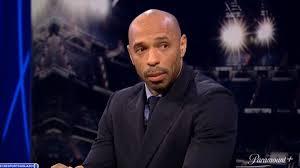
Former France international and football legend Thierry Henry AFCON criticism has sparked widespread debate after the ex-Arsenal star praised the Africa Cup of Nations for its passion and growth, while sharply condemning Senegal’s controversial walk-off and what he described as “deeply troubling refereeing decisions” during the tournament.
Speaking during post-match analysis on international television, Henry struck a careful balance. He applauded AFCON’s atmosphere, intensity, and cultural importance, but warned that repeated officiating controversies risk undermining the credibility of African football at a time when global attention is firmly fixed on the continent.
His remarks, now trending across African and European football circles, have reignited conversations around officiating standards, player discipline, and respect for the game.
Thierry Henry’s Praise for AFCON’s Growth
Despite the criticism, Thierry Henry AFCON criticism began on a positive note. The former Barcelona forward acknowledged how far the tournament has come, describing AFCON as “one of the most emotional and authentic football competitions in the world.”
Henry noted that African football has evolved tactically and physically, with players now competing at elite levels across Europe while returning home to elevate continental competitions.
“AFCON has something special,” Henry said. “The emotion, the crowd, the pride, the identity — it’s real football.”
This acknowledgment was widely welcomed by African fans, many of whom see AFCON as unfairly dismissed by foreign pundits.
https://ogelenews.ng/thierry-henry-afcon-criticism
The Senegal Walk-Off That Sparked Controversy
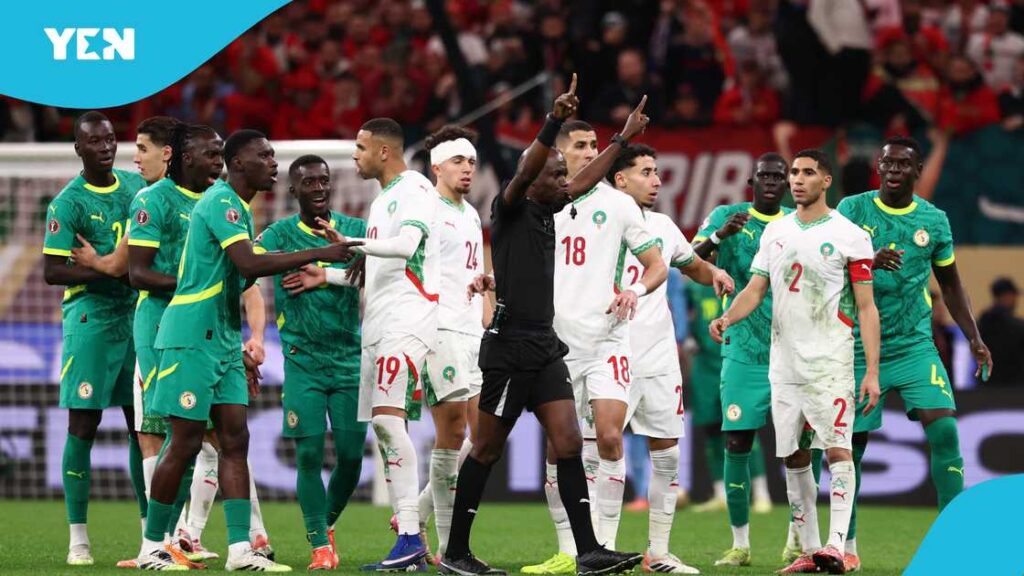
The tone shifted when Thierry Henry AFCON criticism turned to Senegal’s walk-off incident, which occurred during a heated match that descended into confusion after disputed officiating calls.
Henry was blunt.
“You cannot walk off the pitch,” he said. “No matter how bad the refereeing is, leaving the game crosses a line.”
The Senegalese players had protested a sequence of decisions they believed were unfair, leading to a temporary abandonment of play. While many sympathized with their frustration, Henry insisted that such actions damage the image of the tournament.
According to him, protests must stay within the laws of the game, or they risk setting dangerous precedents.
“Refereeing Must Improve” — Henry’s Strongest Point
At the heart of Thierry Henry AFCON criticism was his assessment of refereeing standards.
Henry argued that inconsistent officiating, unclear VAR usage, and poor communication between referees and players were recurring problems throughout the tournament.
“The players are improving. The coaches are improving. The refereeing must follow.”
He stressed that African referees deserve support, training, and protection, but also accountability.
This statement resonated strongly, especially among analysts who have long argued that officiating controversies often overshadow African football achievements.
VAR, Confusion, and Loss of Trust
Henry also addressed the growing frustration surrounding VAR decisions, noting that unclear explanations and long delays erode player trust.
According to Thierry Henry AFCON criticism, the problem is not technology itself, but how it is applied.
“VAR should calm games, not inflame them.”
He suggested better referee training, clearer stadium announcements, and consistent interpretation of rules across matches.
African Football at a Global Crossroads
One reason Thierry Henry AFCON criticism carries weight is timing. African football is experiencing unprecedented global attention, with African players dominating top European leagues and AFCON attracting worldwide broadcast audiences.
Henry warned that controversies risk reinforcing outdated stereotypes about African football.
“This is the moment Africa must protect its football,” he said. “The quality is there. The organization must match it.”
Mixed Reactions Across Africa
Reactions to Thierry Henry AFCON criticism have been divided.
• Supporters say Henry spoke uncomfortable truths that African football administrators must confront.
• Critics argue that foreign legends often single out African tournaments more harshly than European ones.
On social media, many Senegalese fans defended their team’s actions, citing emotional strain and perceived injustice.
Others agreed that walking off sets a poor example, especially for younger players.
CAF’s Silence and the Need for Reform
As debate continues, CAF has yet to issue a detailed response addressing the specific refereeing incidents highlighted by Thierry Henry AFCON criticism.
Football observers argue that transparency will be key moving forward, especially with future AFCON editions expected to draw even larger global audiences.
Calls have intensified for:
• Independent referee assessments
• Clearer VAR protocols
• Improved communication during matches
What This Means for AFCON’s Future
Ultimately, Thierry Henry AFCON criticism reflects both respect and concern.
Henry’s message was not dismissive of African football. Rather, it was a warning from someone who understands elite competition and global scrutiny.
If addressed constructively, the criticism could strengthen AFCON rather than weaken it.
Bottom Line
Thierry Henry’s comments have reopened a vital conversation about discipline, refereeing, and professionalism at AFCON. While he celebrated the tournament’s passion and growth, his criticism of Senegal’s walk-off and inconsistent officiating highlights challenges that African football must confront head-on.
As AFCON continues to rise globally, how CAF responds to these concerns may shape the tournament’s reputation for years to come.