

















Tinubu fails to felicitate Nigerians as Ramadan and Lent begin
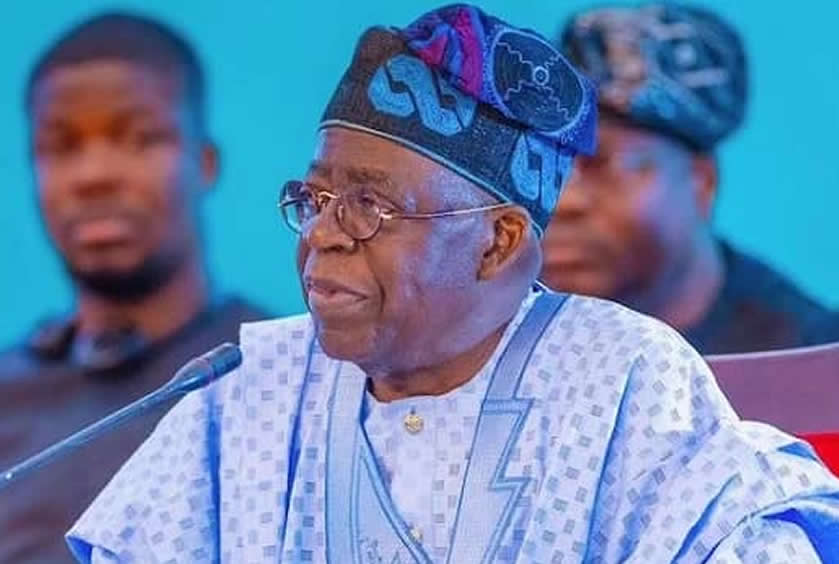
President Bola Ahmed Tinubu has come under scrutiny after Tinubu fails to felicitate Nigerians as Ramadan and Lent begin, breaking from a longstanding tradition where Nigerian presidents publicly acknowledge the start of major religious observances in the country.
The absence of an official message from the Presidency as both Ramadan and Lent commenced drew attention because these periods hold deep spiritual significance for millions of Nigerians. Ramadan marks a month-long fast for Muslims, while Lent represents a 40-day period of prayer, fasting, and repentance for Christians. Both observances began within the same week, placing Nigeria’s religious diversity in a shared moment of reflection.
Tinubu fails to felicitate Nigerians as Ramadan and Lent begin, and the silence stands in contrast to previous years when Nigerian leaders used such occasions to promote unity, national reflection, and interfaith harmony. For example, President Tinubu himself issued messages urging Muslims to embrace humility and selflessness during Ramadan in earlier observances, reinforcing religious tolerance and national cohesion. 
Religious observances carry national significance
Ramadan and Lent are not merely religious rituals; they also serve as moments of national reflection in a country where faith plays a central role in public life.
Nigeria remains one of the most religiously diverse countries in the world, with large Muslim and Christian populations coexisting across regions. Presidential messages during religious seasons traditionally reinforce unity and reassure citizens during periods of economic hardship and insecurity.
Tinubu fails to felicitate Nigerians as Ramadan and Lent begin, and analysts note that such messages typically carry symbolic importance, demonstrating leadership awareness of citizens’ spiritual and emotional needs.
Historically, Nigerian presidents have used religious messages to appeal for peace, tolerance, and collective responsibility. Tinubu himself previously congratulated Muslims at the end of Ramadan, urging citizens to unite and contribute to national development. 
Presidential messaging as a leadership tool
Presidential communications during religious observances serve important political and social functions. They reinforce national identity, build public trust, and demonstrate empathy for citizens’ spiritual journeys.
Tinubu fails to felicitate Nigerians as Ramadan and Lent begin, and the silence has triggered questions about the administration’s communication priorities.
Public messaging from national leaders during religious seasons is often used to promote national unity, especially in countries facing social and economic challenges.
Nigeria continues to confront significant economic pressures, including inflation, currency volatility, and insecurity. In such circumstances, symbolic gestures from leadership often carry heightened importance.
Presidential silence during major national observances can be interpreted in different ways, ranging from communication delays to shifting political priorities.
Religious leaders continue to promote unity
Despite the absence of a presidential message, religious leaders across Nigeria have encouraged citizens to use Ramadan and Lent as opportunities for national renewal.
Faith leaders emphasised the importance of prayer, discipline, and national reconciliation during these sacred periods.
Tinubu fails to felicitate Nigerians as Ramadan and Lent begin, but religious institutions have continued their traditional role of promoting peace and moral responsibility.
The Christian Association of Nigeria (CAN) and Muslim organisations have both encouraged Nigerians to reflect on national challenges and work toward unity.
These religious seasons offer opportunities for both personal transformation and national healing.
https://ogelenews.ng/tinubu-fails-to-felicitate-nigerians

Nigeria’s tradition of interfaith harmony remains strong
Nigeria’s religious diversity has long been both a source of strength and a potential source of tension.
National leaders often play critical roles in reinforcing peaceful coexistence through symbolic gestures and public communication.
Tinubu fails to felicitate Nigerians as Ramadan and Lent begin, and the absence of such gestures has generated debate about leadership communication during sensitive national moments.
Nevertheless, Nigeria’s tradition of interfaith harmony continues to endure, supported by strong religious institutions and civil society engagement.
Religious leaders have consistently emphasised shared values such as compassion, sacrifice, and unity.
Political implications of presidential silence
Tinubu fails to felicitate Nigerians as Ramadan and Lent begin, and the development has political as well as symbolic implications.
Leadership communication is a key component of governance. Public messages during religious observances help reinforce leadership presence and national solidarity.
Political analysts note that leadership visibility during major national events plays an important role in shaping public perception.
Communication gaps, whether intentional or accidental, can influence public confidence and political narratives.
However, presidential communication often evolves over time, and official messages may still emerge during the course of the observances.
Symbolism matters in leadership
Leadership is not defined solely by policy decisions but also by symbolic gestures and communication.
Tinubu fails to felicitate Nigerians as Ramadan and Lent begin, highlighting the importance of symbolic leadership during national moments of reflection.
Symbolic communication helps leaders connect with citizens beyond administrative functions.
Presidential messages during religious observances reinforce shared identity and national purpose.
Such gestures help strengthen trust between leadership and citizens.
Nigeria’s democratic leadership expectations
Nigeria’s democratic system places expectations on leaders to remain engaged with citizens during significant national events.
Tinubu was elected president in 2023 following a competitive national election involving multiple candidates and broad public participation. 
As president, his leadership role includes both administrative responsibilities and symbolic representation of national unity.
Tinubu fails to felicitate Nigerians as Ramadan and Lent begin, and the development underscores broader conversations about leadership communication and national engagement.
Conclusion: Leadership communication remains essential
Tinubu fails to felicitate Nigerians as Ramadan and Lent begin, raising questions about presidential communication during important national observances.
While the absence of an official message does not affect governance operations directly, symbolic leadership remains an important component of national unity.
Nigeria’s religious diversity makes presidential engagement during major observances particularly significant.
As Ramadan and Lent continue, religious leaders and citizens remain focused on spiritual reflection, national unity, and shared responsibility for Nigeria’s future.
Ultimately, leadership communication, both symbolic and practical, plays a crucial role in maintaining national cohesion and public confidence.
Tinubu fails to felicitate Nigerians as Ramadan and Lent begin, reinforcing the enduring importance of leadership visibility during moments of national reflection.
https://punchng.com/tinubu-fails-to-felicitate-nigerians-as-ramadan-and-lent-begin