
















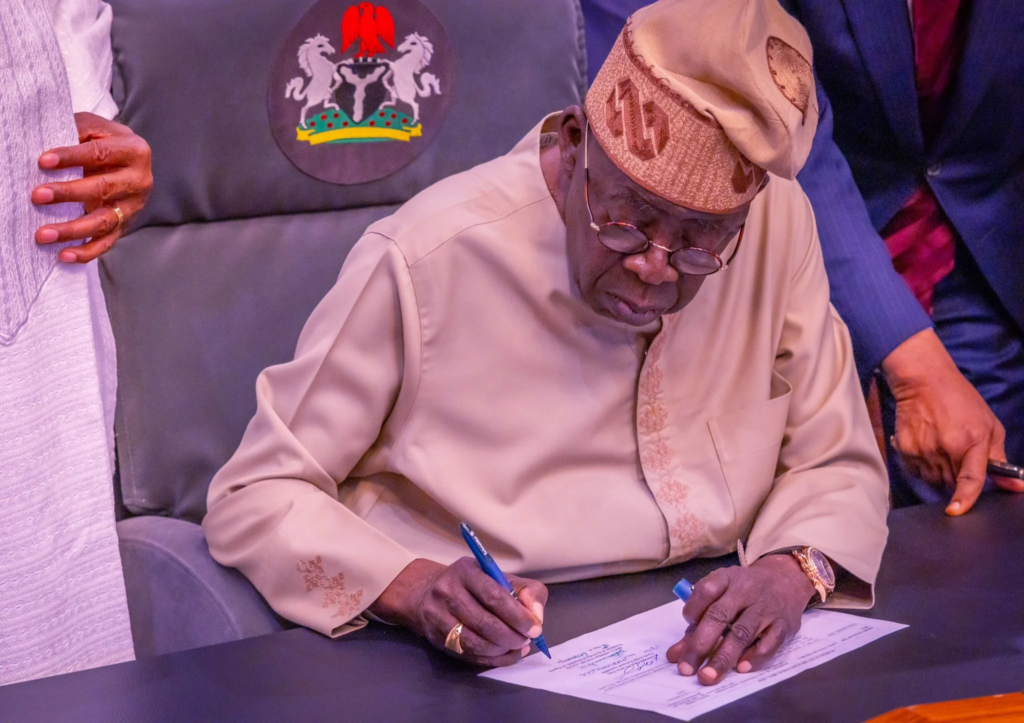
Tinubu orders deployment of 100,000 CNG kits in three weeks
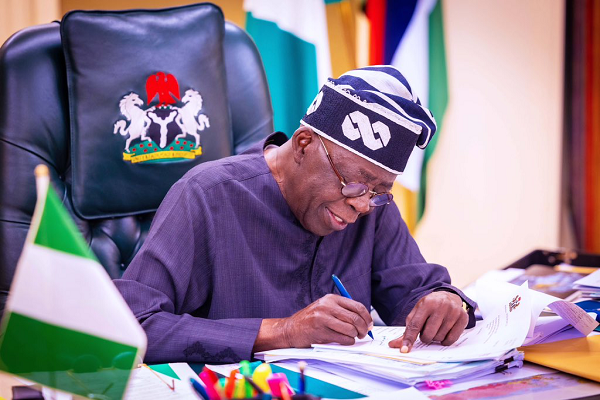
Tinubu orders deployment of 100,000 CNG kits in three weeks as the Federal Government moves to cushion the effect of rising petrol and diesel prices on Nigerian commuters, businesses and transport operators struggling under fresh pressure from global oil market shocks. The directive was disclosed on Tuesday by the Executive Chairman of the Presidential Initiative on Compressed Natural Gas, Ismaeel Ahmed, after a meeting with President Bola Tinubu at the State House in Abuja. 
According to Ahmed, the President directed the immediate deployment of about 100,000 Compressed Natural Gas conversion kits across the country within the next two to three weeks. The order, he said, was informed by the impact of the ongoing Middle East conflict on global petroleum prices and the resulting increase in transport costs in Nigeria. 
That is the central fact behind the headline Tinubu orders deployment of 100,000 CNG kits in three weeks. It is part emergency response, part energy transition policy, and part attempt to soften the economic blow of fuel price volatility on ordinary Nigerians. 
Why Tinubu gave the order
Ahmed said the President wanted updates on what Pi-CNG and the electric vehicle component of the programme were doing to scale up gas availability nationwide. He linked the urgency directly to the current rise in petrol and diesel costs, saying Tinubu wanted cheaper alternatives to reduce transportation expenses for Nigerians. 
That is what makes Tinubu orders deployment of 100,000 CNG kits in three weeks more than a technical policy story. It is a response to a visible household problem. When fuel prices rise, the first pressure point is transport. And when transport costs jump, food, logistics, market prices and daily commuting costs usually rise with them. This new push on CNG is the government’s attempt to break that chain before it worsens. 
Channels Television reported that the order came as fuel prices in Nigeria climbed above ₦1,000 per litre in some places, a development tied to the same wider geopolitical tensions pushing up petroleum costs globally. 
What the 100,000 kits are for
The 100,000 units are vehicle conversion kits designed to allow engines that currently run on petrol to be modified to run on Compressed Natural Gas instead. Ahmed said the rollout would cover different categories of vehicle users, including tricycle operators, and that conversion centres across the country would soon be busy as the large-scale deployment begins. 
That detail matters because Tinubu orders deployment of 100,000 CNG kits in three weeks is not about distributing free gas cylinders in the abstract. It is about physically converting the transport fleet so that more Nigerians can switch away from petrol and use a cheaper fuel source. 
This is also why the timeline is significant. A two-to-three-week deployment target means the government wants visible activity almost immediately, not a long, vague implementation promise that disappears into bureaucracy. 
The larger government strategy
The presidential order sits inside a wider energy policy shift that has been building since the removal of petrol subsidy. The Federal Government has been pushing gas as a cheaper transitional fuel for transportation, especially for taxis, buses, tricycles and high-usage commercial vehicles. Pi-CNG has become one of the government’s main instruments for that shift. 
Ahmed said the initiative is not only about kits. He also pointed to the rapid expansion of conversion centres and the acceleration of CNG refuelling and electric vehicle charging infrastructure. 
That broader context strengthens the story. Tinubu orders deployment of 100,000 CNG kits in three weeks not as a one-off gesture, but as part of a more ambitious attempt to make gas and alternative vehicle systems more available nationwide. 
https://ogelenews.ng/tinubu-orders-deployment-of-100000-cng-kits
Why this matters now
This order comes at a moment when fuel prices are politically and economically sensitive again. Nigerians have spent months adjusting to a post-subsidy market, and every new surge in petrol cost quickly feeds inflation anxiety. ThisDay reported on Tuesday that commuters were already feeling the pressure, with fuel selling around ₦1,280 in Abuja, ₦1,250 in Lagos, and ₦1,350 in Kano in parts of the country. 
In that environment, Tinubu orders deployment of 100,000 CNG kits in three weeks is meant to send two messages at once. The first is that the government sees the cost pressure. The second is that it wants to offer a practical alternative rather than rely only on speeches about market forces. 
But the success of the move will depend on execution. Nigerians will want to know where the kits are going, who gets priority access, whether conversion centres are available outside major cities, and how quickly the benefits will actually show up in reduced transport costs.
The transport and inflation angle
The reason this policy is so closely tied to daily life is simple. CNG is being sold as a lower-cost substitute for petrol in transportation, and transportation is one of the quickest channels through which fuel price increases spread into the wider economy. Commercial drivers adjust fares, logistics firms revise delivery costs, and traders often pass the increase on to consumers.
So when Tinubu orders deployment of 100,000 CNG kits in three weeks, the government is also trying to slow one of the fastest inflation transmission lines in the country. 
That does not mean the effect will be immediate or nationwide. Even if the kits are deployed on schedule, actual conversion, refuelling access, maintenance support and public confidence all have to line up before the shift changes transport economics in a meaningful way. Still, in policy terms, the order is one of the clearest short-term responses yet to the latest fuel-price pressure. 
What to watch next
The immediate questions are practical. How many conversion centres are ready? Will the rollout favour public transport operators first? Will tricycle, taxi and bus unions be brought into the implementation? And can the government maintain supply and refuelling infrastructure after the first 100,000 kits are deployed?
Those questions will determine whether Tinubu orders deployment of 100,000 CNG kits in three weeks becomes a real transport relief measure or just another headline driven by crisis. For now, the verified facts are clear: the President has ordered the rollout, the implementation window is two to three weeks, and the policy is being sold as a direct response to rising fuel costs and transport hardship in Nigeria. 
https://punchng.com/tinubu-orders-deployment-of-100000-cng-kits-in-three-weeks