















Tinubu’s fiscal reforms keeping Nigeria off global top debt list
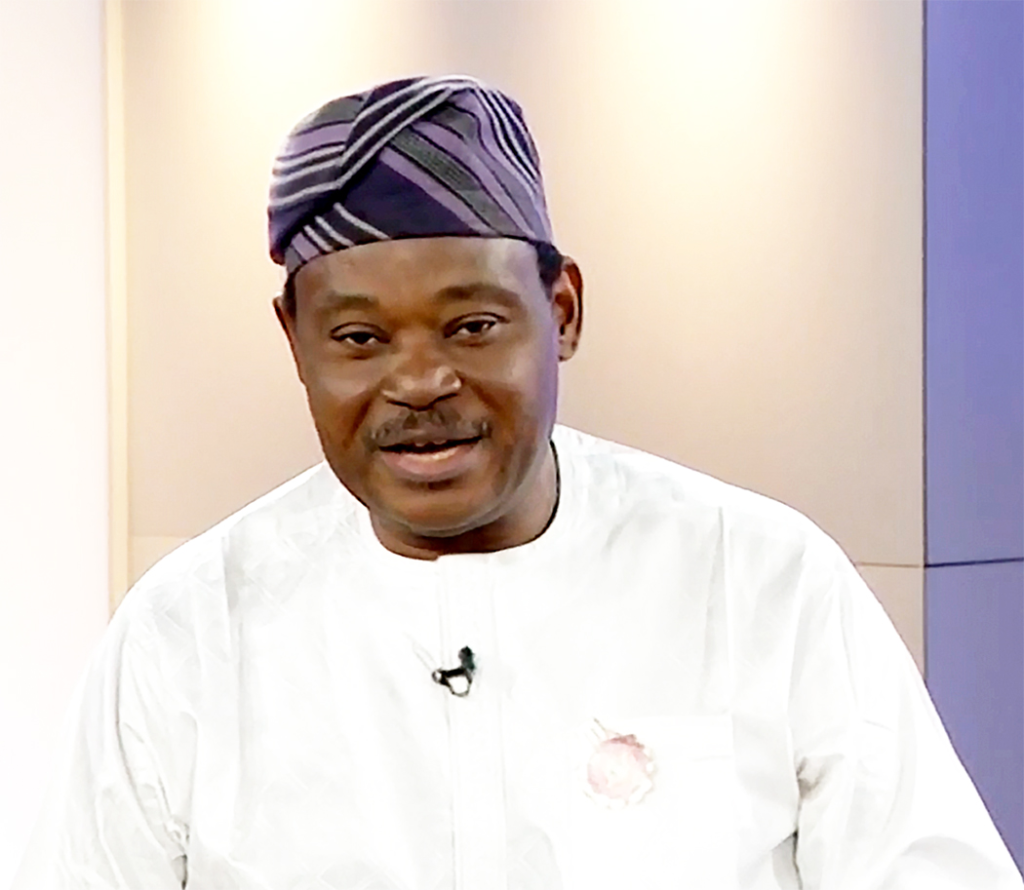
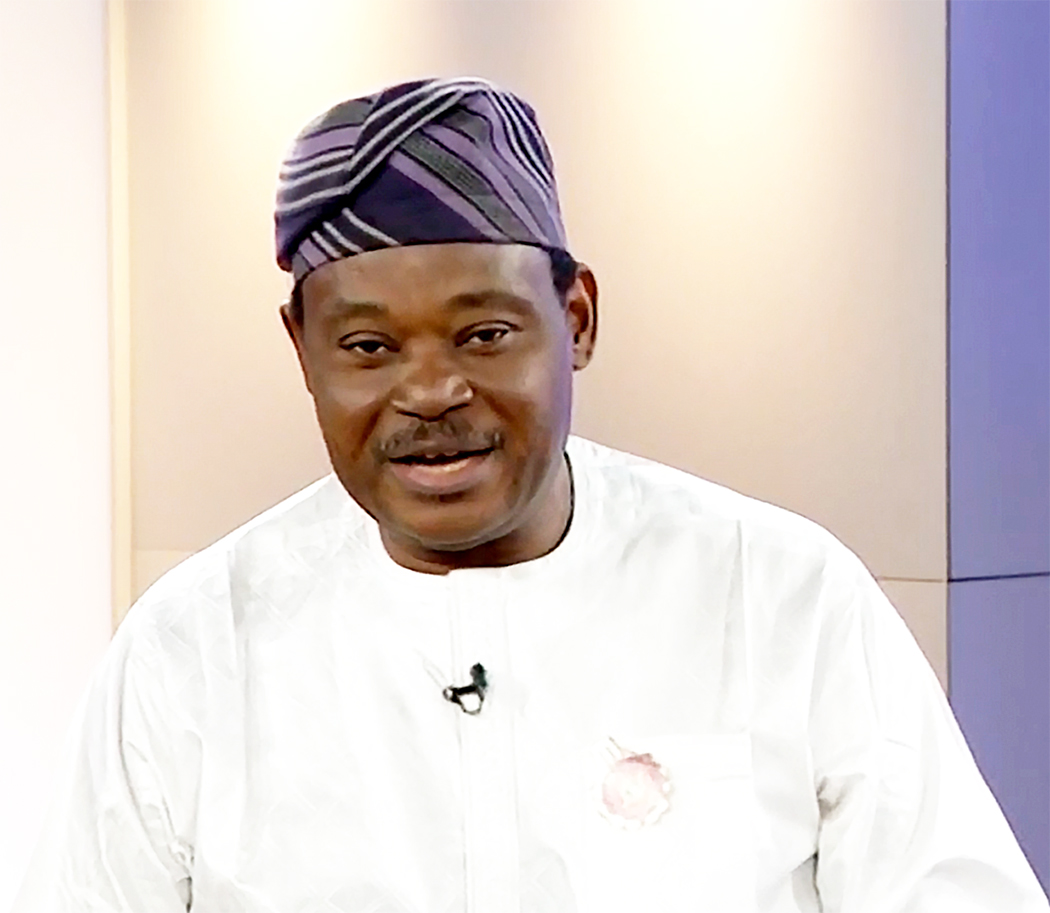
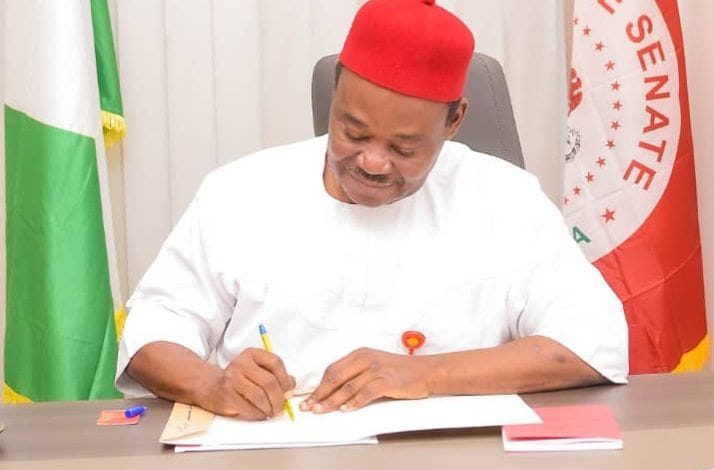
Tinubu’s fiscal reforms keeping Nigeria off global top debt list — Jimoh Ibrahim is the argument Senator Jimoh Ibrahim (Ondo South) is pushing as the country’s debt conversation heats up again, with Nigerians weighing borrowing, repayments, and the painful cost of reforms.
In a statement shared with PUNCH Online on Wednesday, Ibrahim said Nigeria’s absence from the list of the world’s most indebted countries reflects “disciplined fiscal coordination” under President Bola Tinubu. He framed it as proof that the administration’s reforms are beginning to steady the debt narrative, even amid exchange rate volatility and tight global financial conditions. 
That is the headline claim: Tinubu’s fiscal reforms keeping Nigeria off global top debt list — Jimoh Ibrahim. But what does it mean in measurable terms, and what should readers take as fact versus political messaging?
What Jimoh Ibrahim actually said
Ibrahim’s statement, as reported, sits on two ideas:
1. Nigeria is not among the world’s most indebted countries, and
2. Tinubu’s fiscal coordination and structural reforms are a major reason the country is not on that “top debt list.” 
He also suggested that as reforms mature and revenue improves, Nigeria’s fiscal resilience would become more visible. 
So, Tinubu’s fiscal reforms keeping Nigeria off global top debt list — Jimoh Ibrahim is less a technical debt report and more a political-economic defence of policy direction.
What “global top debt list” usually means
When people say “top debt list,” they often mean one of two things:
• Largest debt in raw dollars (nominal size): countries like the United States, Japan, China dominate because their economies are huge. Nigeria typically won’t appear near the top on that measure.
• Highest debt-to-GDP ratios: smaller economies can top this list if debt is large relative to output.
Ibrahim’s statement doesn’t specify which list he’s referencing, so the safest framing is this: Nigeria is generally not among the global “top” debtors by nominal debt size, and that can be true even if the country faces serious debt-service pressure at home.
That’s why the more responsible way to write Tinubu’s fiscal reforms keeping Nigeria off global top debt list — Jimoh Ibrahim is to treat it as a claim and then add the verified debt profile from official sources.
https://ogelenews.ng/tinubus-fiscal-reforms-keeping-nigeria-off-global
What the official debt record shows
Nigeria’s official debt stock is tracked by the Debt Management Office (DMO), which publishes quarterly “Total Public Debt” reports. The DMO’s debt profile portal includes a report titled “Nigeria’s Total Public Debt as at September 30, 2025”. 
Those DMO publications are the correct place to anchor any serious story about debt levels, whether the argument is “we are safe” or “we are sliding.”
And this is where the nuance matters: even if Tinubu’s fiscal reforms keeping Nigeria off global top debt list — Jimoh Ibrahim is accurate in a ranking sense, Nigeria’s real fiscal stress often shows up not just in the stock of debt, but in how difficult it is to service and the weakness of government revenue.
Where Tinubu’s “fiscal reforms” fit in the debate
The Tinubu government’s first major economic moves included removing petrol subsidy and restructuring parts of the foreign exchange regime. In its second year, the administration has leaned into a tax reform drive.
A recent Reuters report said Tinubu nominated Taiwo Oyedele, chair of the Presidential Committee on Fiscal Policy and Tax Reforms, as Minister of State for Finance—highlighting how central tax reform has become to the government’s revenue strategy. Reuters also noted Nigeria’s low tax-to-GDP ratio and how weak revenue pushes the government toward borrowing. 
So when supporters argue Tinubu’s fiscal reforms keeping Nigeria off global top debt list — Jimoh Ibrahim, the strongest factual link is this: reforms are meant to improve revenue, reduce leakages, and strengthen fiscal coordination—conditions that can reduce borrowing needs over time. But the “over time” part is doing a lot of work.
The part Nigerians still worry about: cost, revenue, and debt servicing
Even if a country is not a top global debtor by size, it can still struggle if:
• revenue is low,
• interest costs rise,
• the currency weakens (raising local cost of external debt),
• and basic spending needs keep expanding.
That broader global pressure is real. The Institute of International Finance (IIF) said global debt hit a record $348 trillion by end-2025, driven mainly by government borrowing—meaning more countries are competing for financing in a world where rates can turn quickly. 
So, Tinubu’s fiscal reforms keeping Nigeria off global top debt list — Jimoh Ibrahim may be a comforting line, but the question households and businesses ask is simpler: does the government have enough revenue to fund services without borrowing itself into a corner?
What to watch next
If you’re tracking whether Tinubu’s fiscal reforms keeping Nigeria off global top debt list — Jimoh Ibrahim holds water beyond politics, watch three practical indicators:
1. DMO’s next debt stock update (trend line matters more than one quarter). 
2. Revenue performance as tax reforms roll out (does tax collection rise without choking businesses?). 
3. Debt service pressure relative to revenue—because that’s where fiscal stress becomes real in day-to-day governance.
For now, what is confirmed is that Ibrahim made the claim publicly, tying it to Tinubu’s reforms and Nigeria’s absence from “top debtor” rankings.  The bigger judgement—whether that absence reflects reform success or simply the arithmetic of global rankings—will depend on the hard numbers the DMO continues to publish and the revenue results the government can deliver.
https://punchng.com/tinubus-fiscal-reforms-keeping-nigeria-off-global-top-debt-list-jimoh-ibrahim