














Tinubu’s foreign trips yielding local gains
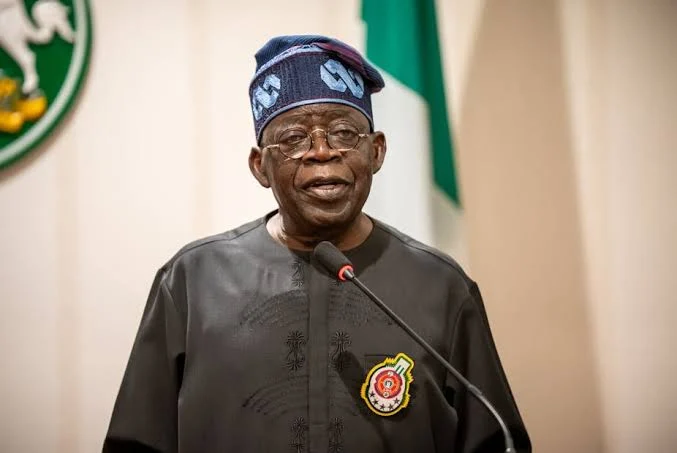
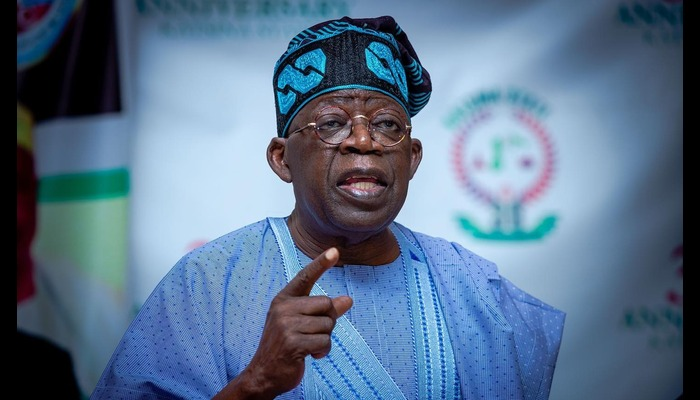
President Bola Ahmed Tinubu’s foreign engagements are delivering “local gains” while also strengthening Nigeria’s standing with key global partners, a senior aide has said, pushing back against criticisms that the President’s travel schedule is heavy on optics and light on results. 
Speaking on Channels Television’s Morning Brief on Monday, Tinubu’s Senior Special Assistant on Foreign Affairs, Ademola Oshodi, argued that the administration’s international outreach has helped reposition Nigeria with multilateral institutions and influential capitals, and is already shaping economic confidence and security cooperation in ways that should eventually be felt at home. 
Oshodi’s intervention lands in the middle of a growing public argument about whether Tinubu’s foreign trips yielding local gains, warming global ties is a fair summary of the administration’s diplomacy, or simply a convenient narrative for a Presidency facing pressure over inflation, cost of living, and insecurity.
What the aide said, and why it matters
Oshodi said Nigeria has received “accolades and praise” for reforms, pointing to endorsements from major institutions including the World Bank and the IMF, which he said have publicly commended the reform direction.  In his framing, Tinubu’s foreign trips yielding local gains, warming global ties is not about photo opportunities but about positioning Nigeria where decisions are made: investment flows, debt conversations, security support, and diplomatic influence.
He also made a more pointed argument: that a weak or confused national narrative abroad can become a national security risk. Oshodi said misinformation and one-sided portrayals of Nigeria’s security crisis can shape foreign policy decisions against Nigeria’s interests, especially when those portrayals become dominant in Washington and other capitals.  This, he suggested, is part of why the administration wants to be seen, heard, and engaged at the highest levels.
The travel numbers driving the debate
The aide’s defence comes after a data-heavy review by Sunday PUNCH showing the scale of the Presidency’s travel since May 2023. According to that analysis, Tinubu and Vice President Kashim Shettima, in about 33 months, undertook 69 trips across 35 countries, spending a combined 315 days outside Nigeria. The report said Tinubu alone spent 245 days abroad, visiting 28 countries across 47 trips, covering roughly 240,000 nautical miles and more than 380 flight hours. 
Those figures are the backdrop to the political argument: supporters say this is the work of modern statecraft; critics see it as excessive. And that is exactly why Tinubu’s foreign trips yielding local gains, warming global ties has become a contested headline.
“Local gains”: what can be pointed to now
On the “local gains” side, Oshodi highlighted security cooperation as an area where diplomacy can translate into on-ground benefits, even if the effect is not immediate. He said international backing and cooperation are being strengthened to confront banditry and insurgency, describing it as a process that takes time but can widen Nigeria’s operational options. 
He also argued that reforms are being noticed externally in ways that can shape investor confidence and donor posture toward Nigeria, which ultimately affects jobs, credit, and fiscal stability. This is the central logic of Tinubu’s foreign trips yielding local gains, warming global ties: that credibility abroad can lower Nigeria’s risk perception and improve the country’s negotiating power.
But the hard question Nigerians keep asking is simple: show us what has landed. That is where government communicators often struggle, and where Oshodi acknowledged that Abuja needs to do more to push accurate information and context beyond Nigeria’s borders. 
https://ogelenews.ng/tinubus-foreign-trips-yielding-local-gains
The lobbying controversy that complicates the messaging
The narrative management issue is not academic. It is now tied to a controversy around Nigeria’s reported $9 million lobbying contract in Washington involving DCI Group, which has drawn scrutiny and criticism in the United States. 
At a U.S. congressional hearing on global religious freedom, lawmakers questioned the optics and intent of the lobbying effort, warning it could look like an attempt to downplay serious concerns rather than confront them transparently.  Reuters also reported that the contract was structured as $4.5 million for an initial six months, with potential renewal for a similar amount, aimed at communicating Nigeria’s actions to protect Christian communities and sustain U.S. support against destabilising threats in West Africa. 
Oshodi’s comments align with that context: he suggested Nigeria cannot afford to leave its international narrative to hostile framing or half-truths, especially when security and diplomatic relationships are at stake. 
The balance: diplomacy can work, but Nigerians want receipts
There is a case that foreign policy yields dividends slowly, and that Nigeria’s security and economic challenges require deep international coordination. There is also a case that frequent travel, without clear public accounting of outcomes, fuels distrust. This is why Tinubu’s foreign trips yielding local gains, warming global ties needs to be tested against transparent markers: investment commitments that mature into projects, measurable security cooperation, improved trade access, and clearer diplomatic wins.
In short, the aide has offered a defence and a framework. Whether the public accepts it will depend on whether the Presidency can consistently translate “warming ties” into results Nigerians can count.
https://punchng.com/tinubus-foreign-trips-yielding-local-gains-warming-global-ties-aide
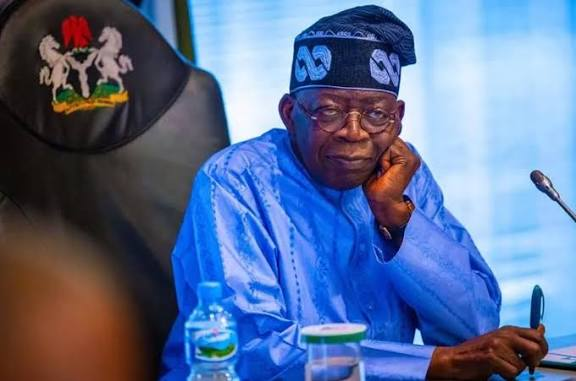
Tinubu’s foreign trips yielding local gains, warming global ties