














Troops arrest terrorist suppliers
Nigeria’s armed forces say they have intensified operations across several theatres, with fresh arrests targeting logistics networks that keep violent groups alive and illicit actors who profit from insecurity. The latest update, built around the development that troops arrest terrorist suppliers, points to a wider effort to choke off both the supply chain of terror cells and the shadow economies that thrive around lawlessness.
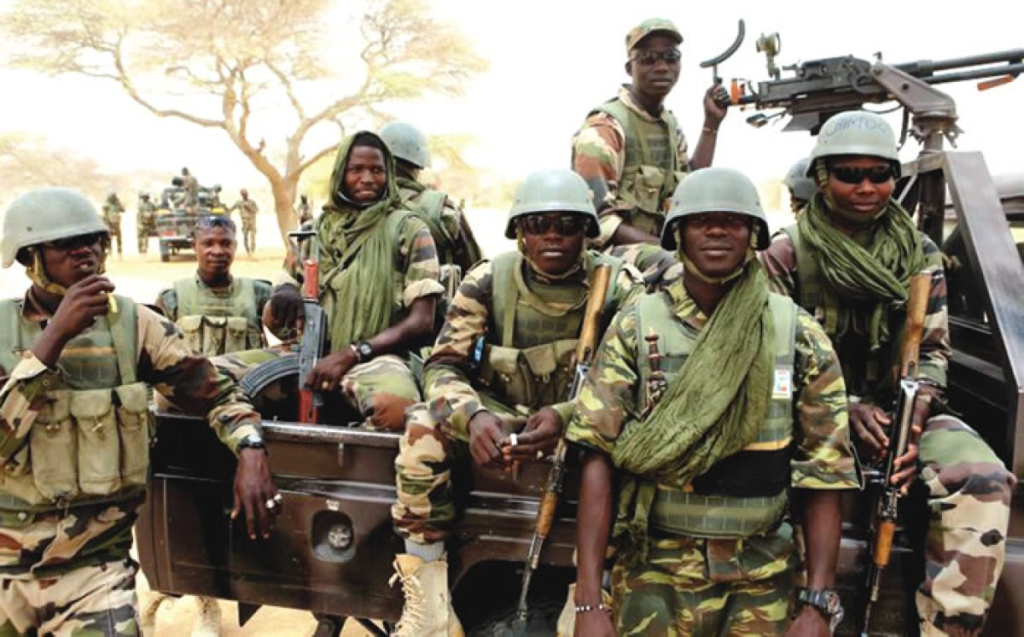
According to a fresh military update reported by PUNCH, troops arrest terrorist suppliers as well as suspected spies and foreign illegal miners in coordinated operations across the country. The report says the arrests were part of ongoing operations by the Nigerian military against terrorists, criminal enablers and other unlawful networks.
That detail matters. In many insurgency campaigns, the gunmen who carry out attacks are only one part of the machinery. Behind them are suppliers, informants, transport handlers, financiers and local collaborators who make movement, storage and communication possible. So when troops arrest terrorist suppliers, the significance goes beyond the number of people picked up. It suggests an attempt to disrupt the support structure that allows armed groups to plan and strike. This is an inference drawn from the military’s focus on logistics and informants in its operational updates.
Recent military briefings have pointed in the same direction. PUNCH earlier reported that troops had arrested key logistics suppliers and informants during operations in the North-East, while also repelling infiltration attempts and degrading ISWAP capabilities in several areas. That earlier pattern gives added meaning to the latest claim that troops arrest terrorist suppliers. It shows a continuing emphasis on hitting not just fighters in the field, but also the quieter channels that sustain them.
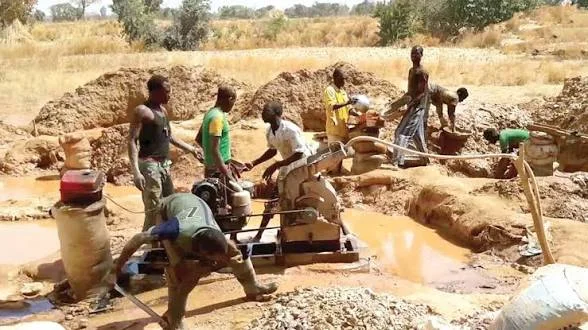
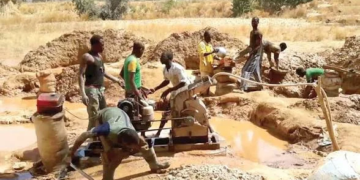
The illegal mining angle is equally important. A Vanguard report on military operations this month said troops apprehended suspected illegal miners in Gujba Local Government Area of Yobe State and described the move as a disruption of illicit funding channels. That language is telling. It suggests the security establishment sees illegal mining not merely as an economic offence, but as a potential revenue stream in areas already troubled by conflict. In that context, the report that troops arrest terrorist suppliers alongside illegal miners points to a broader anti-crime strategy aimed at both violence and the money behind it.
For years, security analysts have argued that insurgency survives not only on ideology or firepower, but on access to materials, cash and local intelligence. Fertiliser, fuel, food, motorcycles, hidden routes and spotters can all become part of the war economy. In one recent account of military operations, troops reportedly intercepted 416 bags of fertiliser intended for Boko Haram elements, a material often linked by authorities to improvised explosive device production. Seen against that backdrop, the fact that troops arrest terrorist suppliers becomes more than a line in a security bulletin. It becomes part of the state’s attempt to starve armed groups of operational oxygen.
https://ogelenews.ng/troops-arrest-terrorist-suppliers
There is also the matter of geography. Nigeria’s insecurity is no longer confined to one region, and military reporting now regularly reflects overlapping threats across the North-East, North-West, North-Central and even parts of the Federal Capital Territory and adjoining areas. PUNCH reported in a related security update that illegal mining activities were disrupted in the FCT and surrounding areas, while other operations targeted kidnappers, oil thieves and suspected terrorists in different parts of the country. This underlines the fact that when troops arrest terrorist suppliers, they are operating in a security environment where insurgency, banditry, kidnapping, oil theft and illegal extraction often intersect.
Still, there is a caution here. Military field updates are important, but they are only the first layer of the story. Arrests are not convictions, and the public often gets limited follow-up on prosecution, intelligence gains or whether the wider networks were permanently broken. That is one of the weaknesses in many such reports. The military announces successes, but readers are left asking what happened next. Did the suspects lead investigators to bigger cells? Were the miners tied directly to terror financing, or were they operating in the same ungoverned spaces? Those are legitimate questions that deserve fuller answers over time. The currently available reports confirm the arrests and the military’s framing of them, but not the final legal outcome.
Even so, the message from the latest operations is clear enough. The armed forces appear determined to show that they are not only responding to attacks, but trying to dismantle the pipelines that feed insecurity. That is why the phrase troops arrest terrorist suppliers carries more weight than it first seems. It signals a focus on the hidden hands behind violence, not just the men with weapons at the front.
For ordinary Nigerians, that distinction matters. Communities do not suffer only when bombs go off or gunmen attack. They also suffer when criminal networks quietly move supplies, exploit mineral resources, recruit vulnerable youths and turn weakly governed spaces into profit zones. If the latest arrests are followed by solid investigation and prosecution, they could amount to more than headline victories. They could become part of a smarter security response, one that understands that insurgency is sustained as much by supply and money as by ideology.
In the end, the latest report that troops arrest terrorist suppliers and illegal miners offers a glimpse into a harder truth about Nigeria’s security fight. Wars are not fed by guns alone. They are sustained by roads, cash, materials, informants and silence. Hitting those networks may not produce the drama of a battlefield victory, but it may prove just as important.
https://punchng.com/troops-arrest-terrorist-suppliers-illegal-miners/