















Truck somersaults on Otedola Bridge, causing traffic gridlock
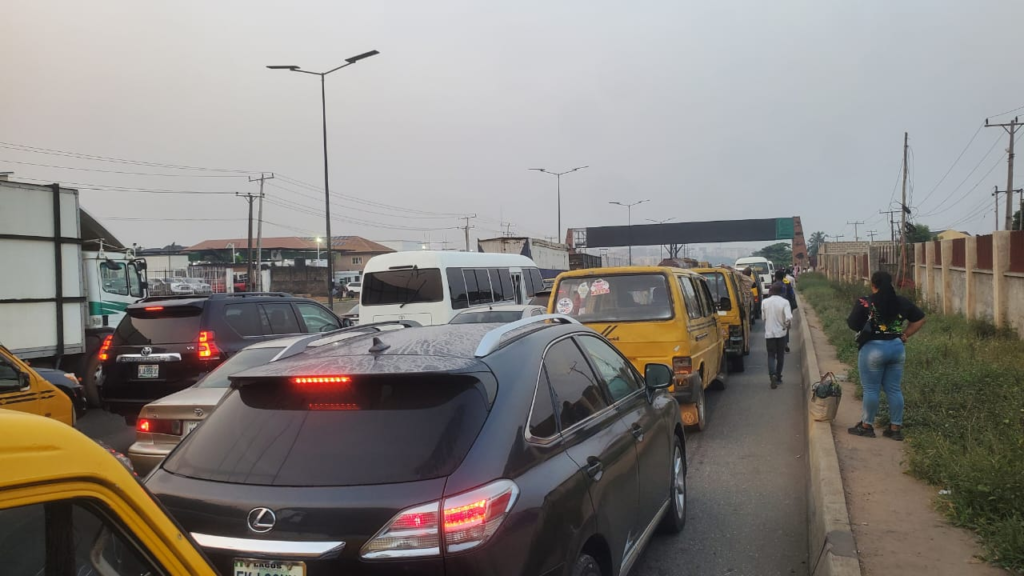
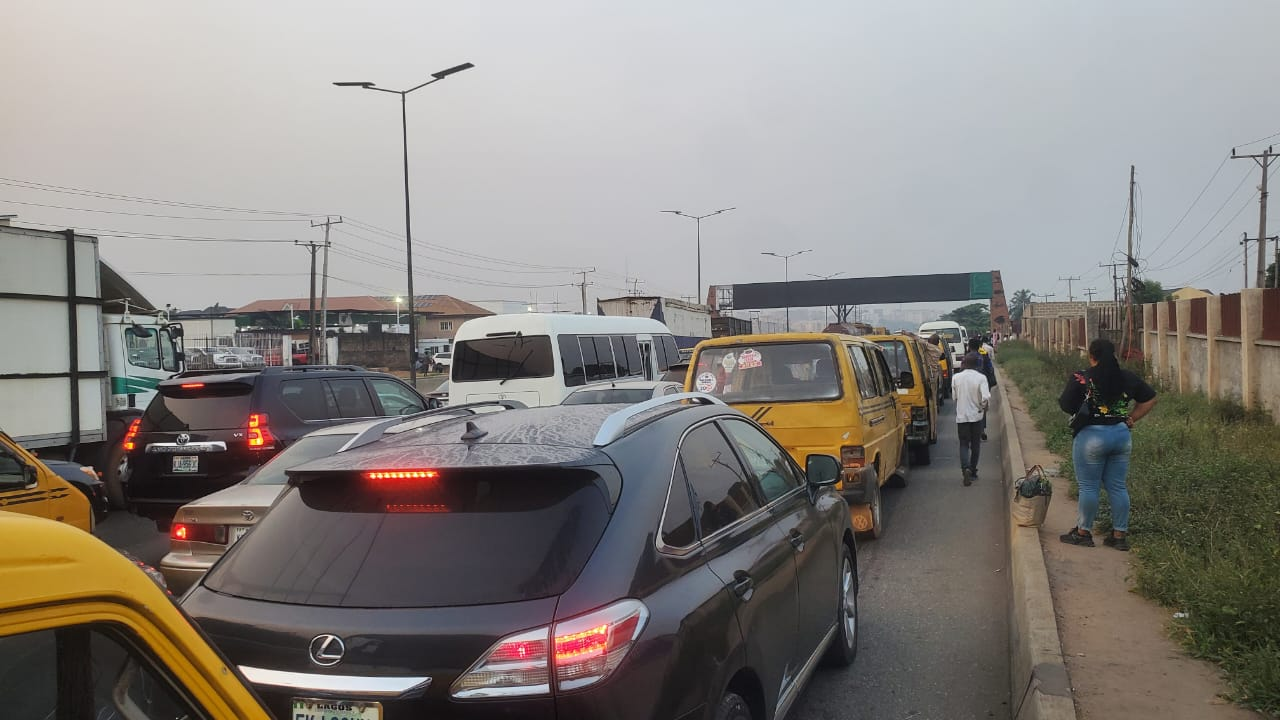
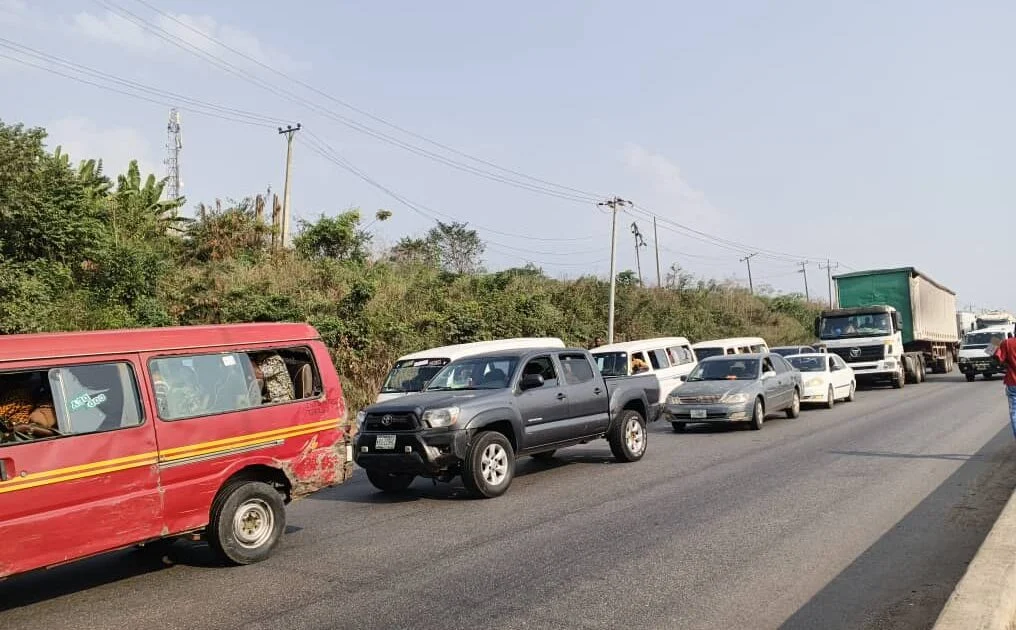
Truck somersaults on Otedola Bridge, causing traffic gridlock as commuters along the Lagos-Ibadan Expressway were thrown into hours of disruption on Wednesday after a Mack truck overturned on one of Lagos’ most accident-prone corridors, choking traffic inward Secretariat and forcing emergency traffic control measures. The immediate trigger, according to the Lagos State Traffic Management Authority, was a battery/mechanical fault suffered by the truck on the bridge. 
The accident happened on Otedola Bridge inward Secretariat, a stretch that has repeatedly drawn concern from motorists because of its history of truck crashes, fuel tanker incidents and sudden traffic paralysis. LASTMA said the truck developed the fault on the bridge, leading to the incident and the resulting snarl that spread quickly through the axis. 
That is the essential fact behind the headline Truck somersaults on Otedola Bridge, causing traffic gridlock. It was not initially described as a multi-vehicle disaster or an explosion scene. It was a truck accident triggered by a mechanical problem, but on Otedola Bridge, even a single truck incident is enough to cripple movement and spark alarm. 
What happened on the bridge
According to LASTMA’s statement reported by The PUNCH, the Mack truck ran into trouble after suffering a battery/mechanical fault while on the bridge. In the confusion that followed, the truck overturned, and the obstruction immediately affected movement on the busy corridor linking Lagos with the inward Secretariat axis. 
The agency said the truck was carrying two containerised boxes, which had to be recovered and removed from the roadway before traffic could improve. That detail matters because the weight and spread of containerised loads often make recovery operations slower and more difficult, especially on narrow or elevated road sections. LASTMA later confirmed that both boxes had been successfully removed. 
So when we say Truck somersaults on Otedola Bridge, causing traffic gridlock, the real story is not only the overturning itself. It is the chain reaction that followed: blocked movement, tense commuters, emergency response, and the painstaking clearing of a major freight obstruction from one of Lagos’ busiest routes. 
LASTMA’s response and what changed later
One of the strongest parts of the report is that it did not stop at the crash. LASTMA also gave a direct operational update. The agency said: “The two containerised boxes have been successfully recovered and removed from the roadway. Traffic is moving very fast. Our officers are still on the ground, managing traffic and ensuring smooth vehicular movement.” That official line is important because it shows the road was not left abandoned to chaos after the accident. 
This also means the best version of the story should avoid exaggeration. Yes, Truck somersaults on Otedola Bridge, causing traffic gridlock was a genuine disruption. But the official update suggests the emergency traffic response worked quickly enough to restore movement after the initial blockage. 
For commuters, that distinction matters. Lagos motorists often judge road incidents less by the crash itself than by how long authorities take to restore movement. In this case, LASTMA’s own account indicates that the road clearing operation made enough progress for traffic to begin normalising while officers continued managing flow. 
https://ogelenews.ng/truck-somersaults-on-otedola-bridge
Why Otedola Bridge always causes public anxiety
Otedola Bridge is not just another bridge in Lagos traffic reporting. It has become one of those places where accidents carry extra emotional weight because the location already has a troubling record.
On January 23, 2026, Channels Television reported that multiple crashes involving trucks occurred on Otedola Bridge, leaving one person dead and causing a long stretch of traffic gridlock. The Guardian’s report on the same January incident said an overturned truck forced motorists heading into Lagos to seek alternative routes as congestion built back toward Berger. 
That background helps explain why the latest incident instantly became news. Truck somersaults on Otedola Bridge, causing traffic gridlock is not just another traffic brief because the bridge already carries a reputation for danger. Each fresh truck crash there revives broader fears about road safety, enforcement, vehicle fitness and the vulnerability of commuters trapped in long, exposed traffic lines. 
The bigger road safety issue
Even without confirmed casualties in Wednesday’s incident, the accident still highlights a familiar weakness in Lagos transport safety: the risk posed by heavy-duty trucks suffering faults on major urban routes.
Mechanical failure, especially involving large articulated vehicles, is rarely a minor matter on city bridges or express corridors. A fault that might be manageable on an open road can turn into a high-risk obstruction when it happens on a bridge carrying dense commuter traffic. That appears to be exactly what happened here, since LASTMA specifically traced the problem to a battery/mechanical fault. 
This is part of why Truck somersaults on Otedola Bridge, causing traffic gridlock should not be reported only as a traffic inconvenience. It is also a roadworthiness story. Every truck breakdown or somersault of this kind raises the same uncomfortable questions: Was the vehicle fit for the road? Were safety checks adequate? Could the fault have been detected earlier? The official report does not answer those questions yet, but the questions are unavoidable. 
What commuters felt immediately
The most visible impact was gridlock. In Lagos, that usually means more than slow movement. It means lost work hours, stranded commuters, delayed deliveries, heightened tension, and in some cases spillover congestion into adjoining routes.
That is why a story like Truck somersaults on Otedola Bridge, causing traffic gridlock resonates so strongly. Otedola Bridge sits on a critical movement channel. When it is blocked, the disruption is not isolated. The pressure quickly spreads to connected roads and forces drivers to improvise with diversions, U-turns and delays. 
Even though LASTMA later said movement improved, the incident still underlined how fragile traffic flow remains on that axis. One truck, one mechanical failure, and the entire corridor can jam up within minutes. 
Why the wording of the story matters
For newsroom accuracy, there are two important language choices here.
The first is not to overstate the cause. The verified official account says battery/mechanical fault, not brake failure, reckless driving or collision with another vehicle. 
The second is not to invent casualty figures where none were confirmed in the immediate report. The strongest verified facts available are the overturning, the gridlock, the official cause as stated by LASTMA, and the later recovery of the containerised boxes. 
So the cleanest veteran-journalist approach is this: Truck somersaults on Otedola Bridge, causing traffic gridlock after a mechanical failure, and authorities later moved in to recover the load and restore movement. 
What to watch next
The next thing to watch is whether Lagos traffic and safety agencies issue any broader statement on truck control, roadworthiness checks or movement restrictions on the axis. Since Otedola Bridge has already seen other serious truck incidents this year, another crash there may renew pressure for stricter monitoring of articulated vehicles on that corridor. 
For now, the clearest verified takeaway remains straightforward: Truck somersaults on Otedola Bridge, causing traffic gridlock after a Mack truck suffered a battery/mechanical fault inward Secretariat, and LASTMA later said the containerised boxes had been removed and traffic was moving faster again. 
https://punchng.com/truck-somersaults-on-otedola-bridge-causing-traffic-gridlock