


















US gas price hits $4 per gallon
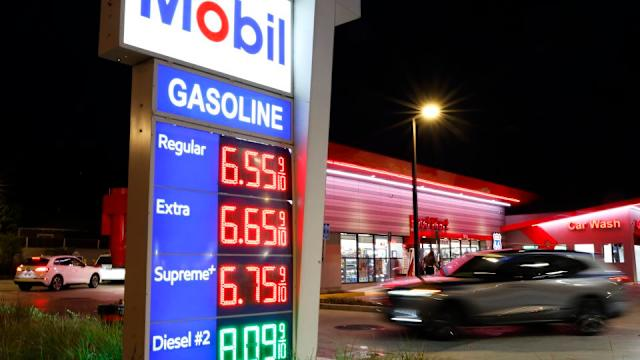
The average price of gasoline in the United States has crossed a politically and economically sensitive line again. US gas price hits $4 per gallon is now no longer a forecast or a warning. It is the reality American drivers woke up to on March 31, 2026, when the national average for regular gasoline climbed to $4.018 per gallon, according to AAA. That is the first time the national average has moved above the $4 mark since August 2022, reviving memories of one of the most painful fuel inflation periods in recent American history.
The new milestone matters because fuel prices are one of the most visible economic indicators for ordinary households. Rent may rise quietly. Grocery bills may creep up in small steps. But petrol station signs confront people in plain sight. That is why the story that US gas price hits $4 per gallon carries far more weight than a simple market update. It touches transport costs, freight charges, consumer confidence, inflation expectations, and the mood of voters heading toward another tense election season. Reuters reported that the price jump has been driven largely by the ongoing war involving the United States, Israel, and Iran, especially the disruption of energy flows through the Strait of Hormuz, one of the world’s most important oil transit routes.
AAA had already warned this was coming. On March 26, the group said the national average had surged by about one dollar in a month, from $2.98 on February 26 to $3.98 on March 26, and noted that the average could cross $4 in the coming days. That forecast has now materialised. So when readers see the headline US gas price hits $4 per gallon, they should understand that this did not happen overnight. It was the result of a sharp and sustained climb over several weeks, accelerated by geopolitical risk and seasonal demand pressure as spring travel picked up.
The broader oil market helps explain the speed of the rise. Reuters reported on March 30 that Brent crude had surged above $116 per barrel, while U.S. crude topped $102, as markets reacted to fears of a wider regional conflict. Once oil traders begin pricing in the risk of blocked shipping lanes and tighter supply, motorists feel it quickly at the pump. That is the pipeline between distant conflict and daily household cost. In plain terms, US gas price hits $4 per gallon because crude has become more expensive, refiners are under pressure, and retailers are passing those higher costs through to consumers.
There is also a historical reason this threshold matters. AAA’s own national fuel price tracker shows the highest recorded average price for regular gasoline was $5.016 per gallon on June 14, 2022. The current figure is still below that peak, but it is high enough to stir fresh concern. Reuters described the latest rise as the highest level in more than three years. Another Reuters report last week said prices were already headed toward $4 and could exceed $4.10 if the crisis worsened. In other words, the phrase US gas price hits $4 per gallon may not be the end of the story. It may be the beginning of a more difficult phase if global supply conditions remain strained.
The Biden-era and Trump-era comparisons that often enter political debate need to be treated carefully, but the public effect is straightforward. People compare what they paid recently with what they are paying now. AAA’s data show the current national average is up sharply from $2.982 a month ago and from $3.168 a year ago. That means households are not just responding to a headline. They are responding to an actual increase in the amount they spend each week on commuting, school runs, logistics, and small business operations. When US gas price hits $4 per gallon, that pain spreads well beyond private car owners. Delivery firms, ride-share drivers, trucking operators, and food distributors all feel the squeeze.
https://ogelenews.ng/us-gas-price-hits-4-per-gallon
The administration has not ignored the threat. Reuters reported earlier that officials were considering steps such as easing summer gasoline rules and issuing a temporary Jones Act waiver to make domestic fuel movement easier. But those measures are expected to have only limited effect against a global supply shock of this scale. One Reuters report from March 24 said relaxing summer smog rules might reduce prices by only a few cents per gallon. That is useful at the margins, but it does not fundamentally reverse the forces that pushed the market here. So while policymakers may try to soften the blow, US gas price hits $4 per gallon remains a signal that the deeper problem lies in crude supply fears and war-driven volatility.
There is another reason this matters. Fuel prices feed inflation. Reuters reported that Chicago Federal Reserve President Austan Goolsbee recently warned that worsening near-term inflation prospects are tied to surging energy prices. That means this is not only a transport story. It is also a monetary policy story. If energy costs remain elevated, the path to interest rate cuts becomes harder. So the moment US gas price hits $4 per gallon could ripple into broader borrowing costs, business sentiment, and consumer spending.
For the White House, the politics are obvious. Fuel prices have a way of compressing complex economic debates into one painful number displayed at service stations across the country. Reuters noted that rising pump prices are adding to household strain and becoming a challenge for President Donald Trump and Republicans ahead of the 2026 midterms. Whether the surge proves short-lived or more stubborn will depend largely on what happens next in the Middle East and whether global oil flows stabilise soon. Until then, the headline US gas price hits $4 per gallon will continue to resonate because it captures the exact point where geopolitics, inflation, and family budgets collide.
For now, the facts are firm. The U.S. national average for regular gasoline is above $4. It is the first time since August 2022. AAA has confirmed the number, and Reuters has traced the drivers behind it. The bigger question is whether this is a temporary spike or the start of another long stretch of fuel pain. If the conflict deepens and crude remains elevated, the phrase US gas price hits $4 per gallon may become the defining consumer cost story of the weeks ahead.
https://gasprices.aaa.com/?utm_source