
















US Iran war cost
The US Iran war cost has climbed above $11 billion in just six days, according to reports emerging from Pentagon briefings to lawmakers, turning the financial burden of the conflict into a major political issue in Washington as questions grow over how long the campaign can be sustained. Punch reported that the war had cost more than $11.3 billion in its first week, while Reuters separately confirmed that the Trump administration disclosed $5.6 billion in munitions spending in the first two days alone. 
That gap in sourcing matters. Reuters’ report is tied directly to a classified administration submission to U.S. congressional committees and specifically covers munitions used in the opening two days of the conflict. Punch’s report, by contrast, extends the broader estimate to the first six days. Taken together, the reports suggest that the US Iran war cost surged rapidly in its opening phase and has already moved beyond the threshold of a short, low-cost operation. 
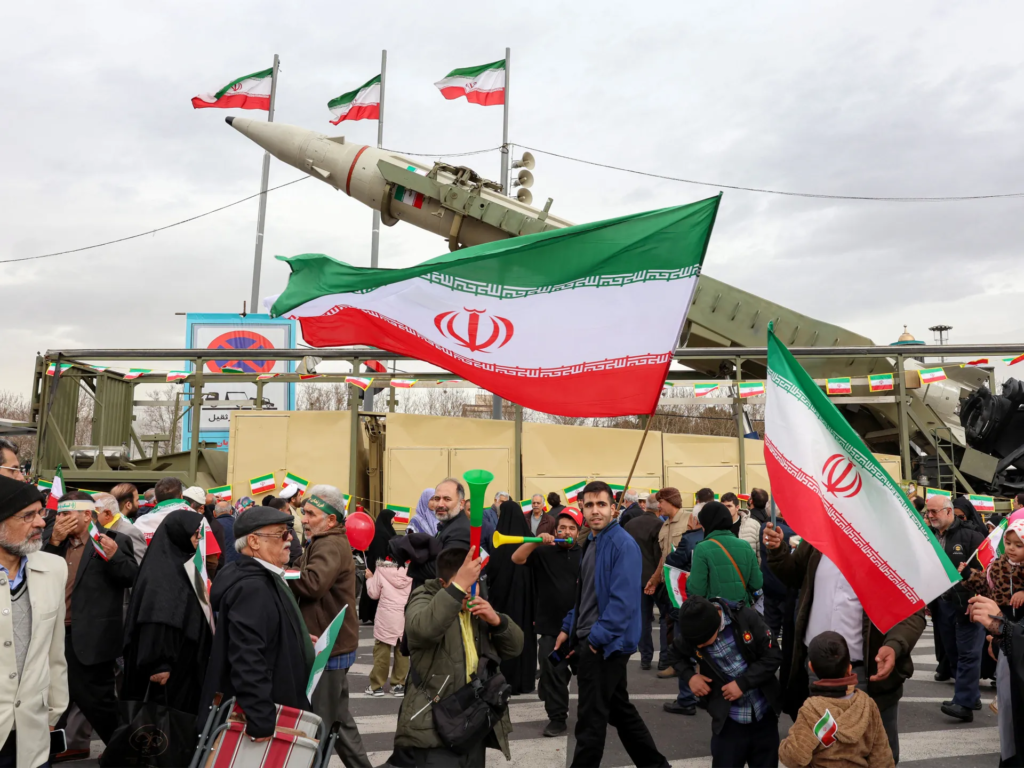
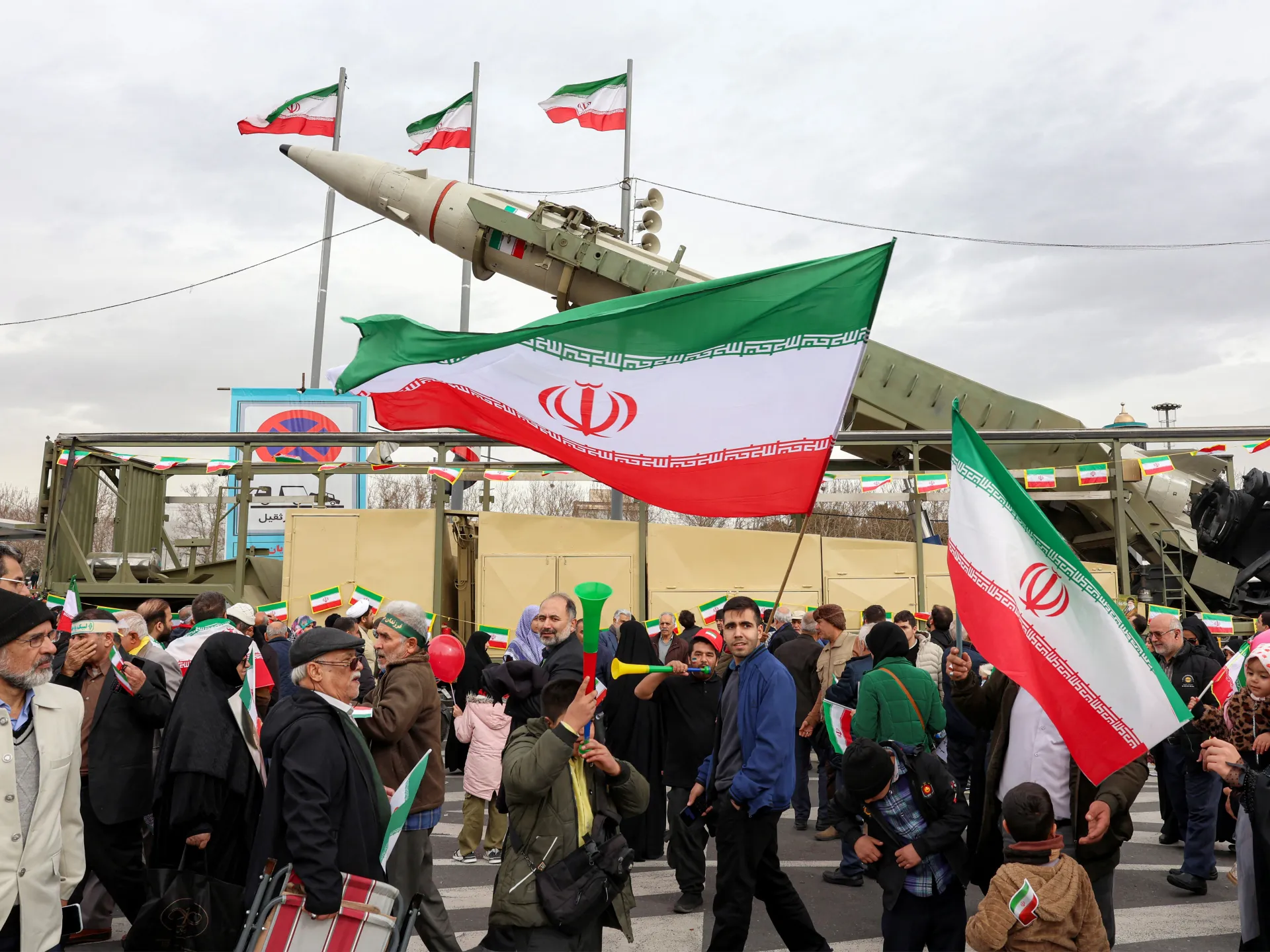
The conflict itself began on February 28, 2026, according to Reuters, when the United States and Israel launched coordinated strikes against Iran. Since then, the war has widened into a regional crisis involving missile attacks, drone strikes, pressure on Gulf shipping and growing concern in Congress over strategy and military readiness. That broader context is essential because the US Iran war cost is not just a budget number. It is the financial footprint of a campaign that has already reshaped U.S. policy in the Middle East. 
What appears to be driving the cost most aggressively is the scale of weapons use. Reuters reported that the administration’s first disclosed figure, the $5.6 billion spent in the first two days, was specifically for munitions. That means expensive strike packages were burning through precision-guided weapons at a rate that immediately alarmed lawmakers. Reuters also reported that Democratic members of Congress demanded public testimony on the war’s implications for U.S. readiness, warning that the strain on missile stockpiles could become a strategic problem in itself. 
The spending story is already feeding into the politics of the war. Reuters reported that the U.S. House of Representatives voted 219 to 212 against a war powers resolution that would have forced Trump to obtain congressional authorization for the campaign. That vote showed the administration still has Republican backing, but it did not end the deeper argument over cost, oversight and duration. In effect, the higher the US Iran war cost rises, the harder it becomes for the White House to treat the campaign as a limited operation that needs little public accounting. 
There are also signs that the current bill is only the beginning. Reuters reported that congressional aides expect a formal White House funding request, possibly around $50 billion, though some aides believe the real request could be higher. That estimate makes the current US Iran war cost politically explosive because it suggests the first week’s spending may become only an opening instalment in a much larger war ledger. Once Congress is asked to replenish depleted munitions and finance a prolonged campaign, the debate will almost certainly intensify. 
https://ogelenews.ng/us-iran-war-cost-11bn-six-days
The strategic cost is rising alongside the financial one. Reuters reported that around 140 to 150 U.S. troops had been wounded in the conflict by March 10, far above the previously disclosed number of eight serious injuries. Most of the wounded reportedly suffered minor injuries, but the jump still underscored how dangerous the campaign had become. In that context, the US Iran war cost is no longer only about missiles, bombs and procurement. It is also tied to the human and political cost of an expanding conflict. 
Another reason this story matters is that it touches directly on U.S. military readiness beyond Iran. Reuters reported that lawmakers are worried about the depletion of stockpiles because the defence industry is already struggling to meet demand. This concern is central to understanding the US Iran war cost. A war can be expensive not only because it drains cash, but because it consumes finite assets that take time and money to replace. If production lines for key weapons are already under pressure, then heavy early spending may have consequences far beyond the current battlefield. 
The White House has been trying to project confidence. Reuters reported that President Trump recently met with executives from seven defence contractors to discuss replenishment. That detail is revealing. It suggests the administration knows that the US Iran war cost cannot be measured simply by tallying past expenditures. It must also include the cost of rebuilding capability, replacing used interceptors and ensuring the United States does not leave itself exposed elsewhere. 
Seen this way, the $11 billion figure is not just a headline. It is a sign of how quickly modern warfare burns through high-end military resources. In only a few days, the war produced costs large enough to trigger funding talk in Congress, stockpile concerns in the Pentagon and renewed scrutiny of Trump’s war strategy. The US Iran war cost therefore tells two stories at once: one about the immediate price of combat, and another about the long-tail burden that follows once the shooting has started. 
It also complicates Trump’s political argument. Reuters reported that lawmakers, especially Democrats, are pressing for accountability and clarity over the war’s purpose, while the White House still has not publicly released a full cost assessment. That leaves room for skepticism. If the public hears one figure for the first two days, another for the first six, and a possible far larger request on the horizon, then the US Iran war cost becomes a credibility issue as much as a fiscal one. 
For now, the clearest verified picture is this: the administration told lawmakers it spent $5.6 billion in the first two days, Punch reported that the bill had crossed $11.3 billion by the first six days, and Congress is bracing for much more. That is enough to establish the central point without overstating what is publicly confirmed. The US Iran war cost is already enormous, and unless the conflict ends quickly, the next fight in Washington may be over how many more billions Americans are prepared to pay. 
https://punchng.com/us-spent-11bn-on-iran-war-in-six-days-report