













U.S. military action in Sokoto
The U.S. military action in Sokoto
has been officially confirmed following an airstrike that targeted militants linked to the Islamic State operating in parts of northwestern Nigeria, marking a rare and closely watched episode of direct foreign military involvement on Nigerian soil.
The operation, which took place on December 25, 2025, was acknowledged by both the United States and Nigerian authorities, sparking widespread public debate over security cooperation, sovereignty, and the evolving threat posed by extremist groups in the region.
According to official statements, the strike was carried out with the knowledge and coordination of the Nigerian government as part of ongoing counterterrorism collaboration between Abuja and Washington.
What happened in Sokoto
https://ogelenews.ng/us-military-action-in-sokoto
Details surrounding the U.S. military action in Sokoto emerged after the United States Africa Command (AFRICOM) confirmed that an air operation had been conducted against suspected Islamic State-linked militants operating in remote areas of the state.
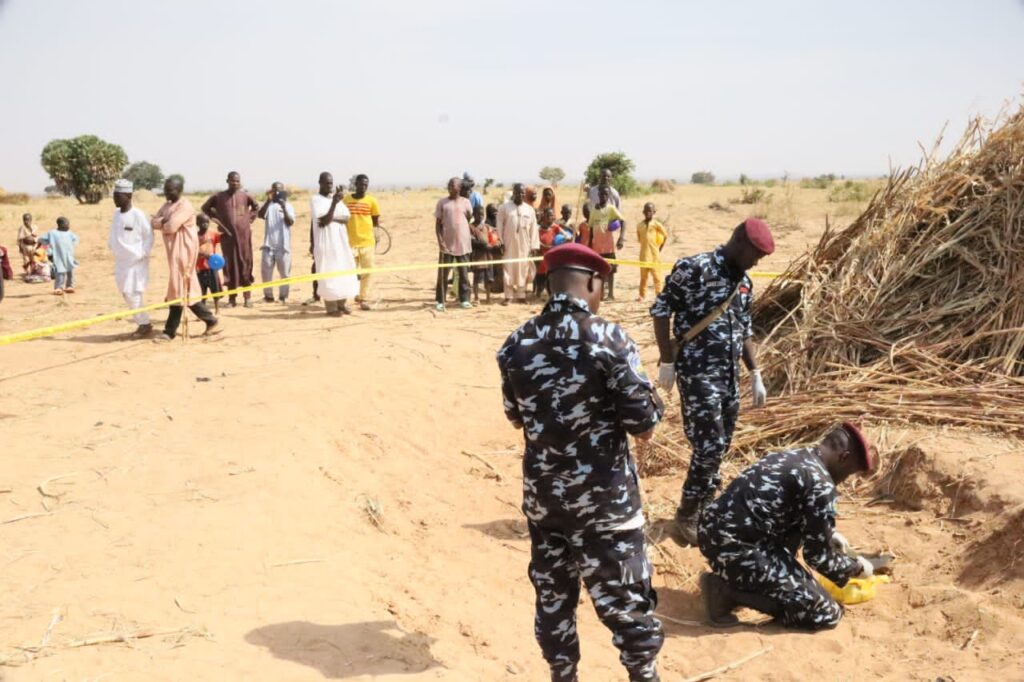
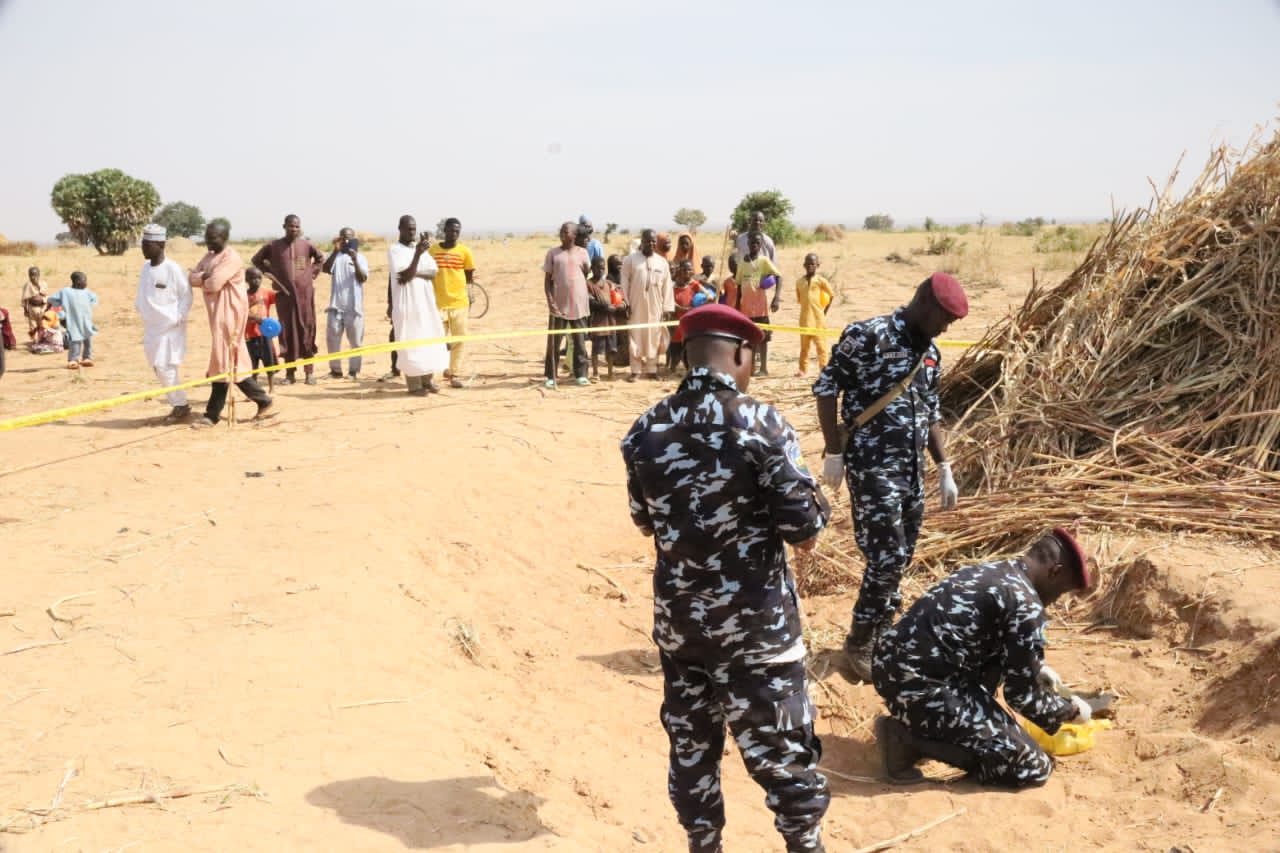
The strike reportedly targeted a militant hideout believed to be associated with extremist elements responsible for attacks on civilians and local communities. While exact casualty figures were not publicly disclosed, both U.S. and Nigerian officials indicated that several militants were neutralised.
U.S. President Donald Trump publicly referenced the operation in a social media statement, describing it as a counterterrorism response aimed at preventing further attacks on civilians. He cited growing concerns about extremist violence in parts of northern Nigeria as justification for the action.
Nigerian authorities later confirmed that the operation was carried out with their consent and based on shared intelligence, stressing that it formed part of an existing security cooperation framework between the two countries.
Nigerian government reaction and clarification
In response to public concern, Nigeria’s Ministry of Foreign Affairs clarified that the U.S. military action in Sokoto did not represent a unilateral foreign intervention but rather a coordinated counterterrorism effort undertaken with Nigeria’s approval.
Officials emphasized that Nigeria maintains full sovereignty over its territory and that any foreign military engagement occurs strictly within agreed frameworks aimed at strengthening national security.
The ministry noted that cooperation with international partners has long been part of Nigeria’s strategy to combat terrorism, insurgency, and transnational crime, particularly where intelligence sharing and technical support are required.
Local reactions and community impact
News of the strike triggered mixed reactions across Sokoto State and beyond. In communities near the affected areas, residents reported hearing explosions during the night, followed by heightened security presence.
Some residents expressed relief, viewing the operation as a necessary step to weaken militant groups that have carried out raids, kidnappings, and attacks in recent years. Others voiced unease about the implications of foreign military action, calling for greater transparency and community engagement.
Religious and community leaders urged calm, emphasizing unity and the need to avoid framing the situation along religious or ethnic lines. They stressed that extremist violence affects both Muslims and Christians and should be addressed as a shared national challenge.
Broader security context
The U.S. military action in Sokoto comes amid growing concern over the expansion of extremist activity beyond Nigeria’s northeast into the northwest. While Boko Haram and the Islamic State West Africa Province (ISWAP) have long operated in Borno and neighboring states, security experts say newer factions and affiliates have begun exploiting porous borders and ungoverned spaces in the northwest.
These groups have increasingly overlapped with bandit networks involved in kidnapping, cattle rustling, and arms trafficking, creating a complex security environment that strains Nigeria’s armed forces.
Analysts note that this evolving threat landscape has made international intelligence cooperation more relevant, particularly in tracking cross-border movements and financing channels linked to extremist groups.
U.S.–Nigeria security cooperation in focus
The U.S. military action in Sokoto has renewed attention on the long-standing security relationship between Nigeria and the United States. Over the years, this partnership has included training programs, intelligence sharing, logistics support, and capacity-building initiatives aimed at strengthening Nigeria’s counterterrorism capabilities.
While direct strikes by foreign forces are rare, officials say such actions may occur under exceptional circumstances when threats are considered urgent and when host governments consent.
Security analysts caution, however, that military operations alone cannot resolve the root causes of extremism. Poverty, unemployment, weak governance, and limited state presence continue to fuel instability in many rural communities.
Balancing security and sovereignty
Public debate following the U.S. military action in Sokoto has focused heavily on the balance between national sovereignty and the need for effective counterterrorism cooperation.
Some commentators argue that Nigeria must strengthen its own intelligence and rapid-response capabilities to reduce dependence on external military intervention. Others counter that international partnerships remain necessary given the scale and sophistication of extremist networks operating across borders.
Government officials have reiterated that Nigeria retains control over all security decisions and that cooperation with foreign partners is guided by national interest.
What lies ahead
As investigations continue and more details emerge, attention will likely shift toward the long-term implications of the strike. Analysts expect renewed discussions on strengthening local security structures, improving early-warning systems, and deepening intelligence coordination across the region.
For communities affected by violence, the hope is that the U.S. military action in Sokoto will translate into reduced attacks and improved safety, rather than escalate tensions.
Ultimately, the episode highlights both the seriousness of the security threats Nigeria faces and the complexity of responding to them in an interconnected regional and global environment.
U.S. military action in Sokoto
Ultimately, the U.S. military action in Sokoto highlights both the urgency of Nigeria’s security challenges and the delicate balance between cooperation and sovereignty.