














US sanctions tension over Kwankwaso
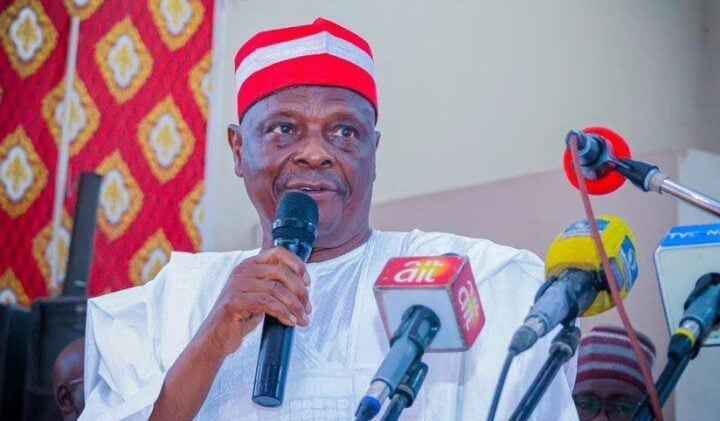
The All Progressives Congress (APC) and the New Nigeria Peoples Party (NNPP) have thrown their weight behind former Kano State Governor, Rabiu Musa Kwankwaso, following reports of proposed sanctions by United States lawmakers over alleged religious freedom violations in Nigeria.
The proposed sanctions form part of a legislative initiative titled the Nigeria Religious Freedom and Accountability Act of 2026, currently under consideration in the United States House of Representatives.
The bill was introduced by Congressman Chris Smith, alongside Representatives Riley Moore, Brian Mast and Bill Huizenga, and recommends visa bans and asset freezes against certain individuals and organisations accused of involvement in religious freedom violations.
The recommendations, if approved, would be enforced under the Global Magnitsky Human Rights Accountability Act, which allows the United States government to impose sanctions on foreign individuals accused of human rights abuses.
The development has heightened diplomatic and political tension, as APC and NNPP back Kwankwaso amid US sanctions tension, arguing that the allegations alone do not justify punitive measures without due process.
In separate reactions, both parties criticised the proposed sanctions, warning that such actions could undermine principles of fairness, sovereignty and international justice.
The APC, in its response, said it was concerned about what it described as attempts to impose sanctions based on allegations that have not been fully adjudicated.
Party officials emphasised that international sanctions should only follow credible investigations and verifiable evidence, not mere accusations.
The party stated that APC and NNPP back Kwankwaso amid US sanctions tension because the fundamental right to freedom of movement and fair hearing must be respected under international law.
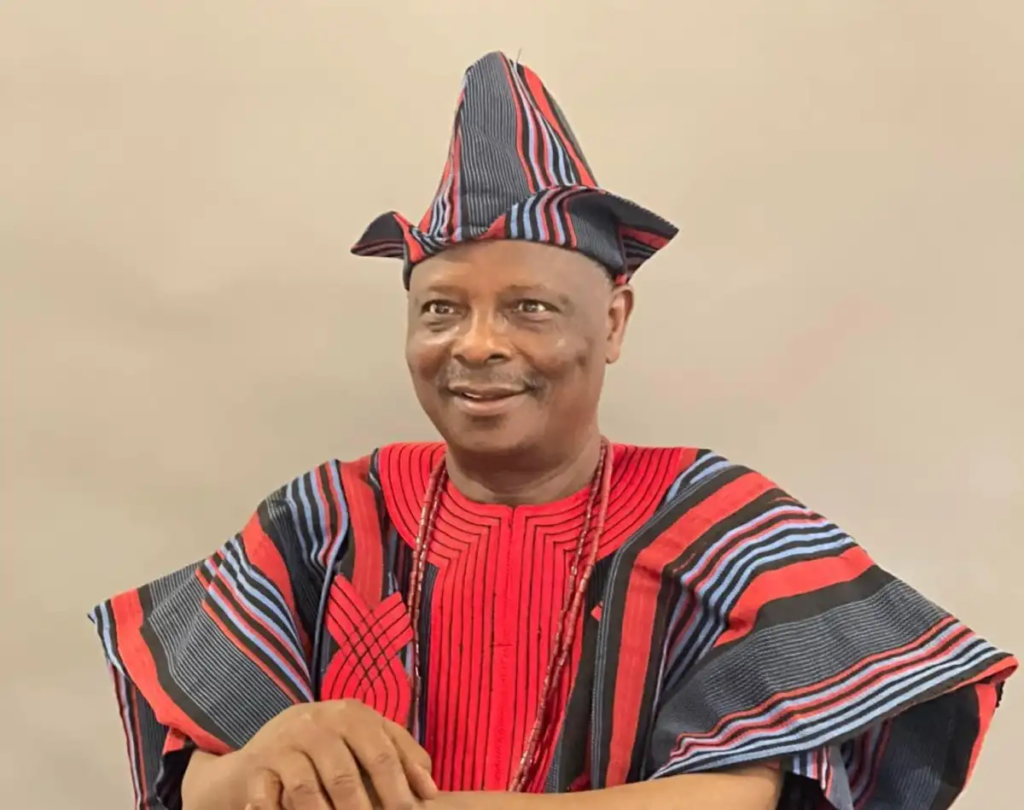
Similarly, the NNPP described the proposed sanctions as premature and potentially damaging to Nigeria’s international reputation.
Party leaders argued that Kwankwaso, a prominent political figure and former presidential candidate, has not been convicted of any crime related to the allegations cited in the proposed legislation.
They stressed that any action taken without a fair and transparent process could set a troubling precedent for international relations.
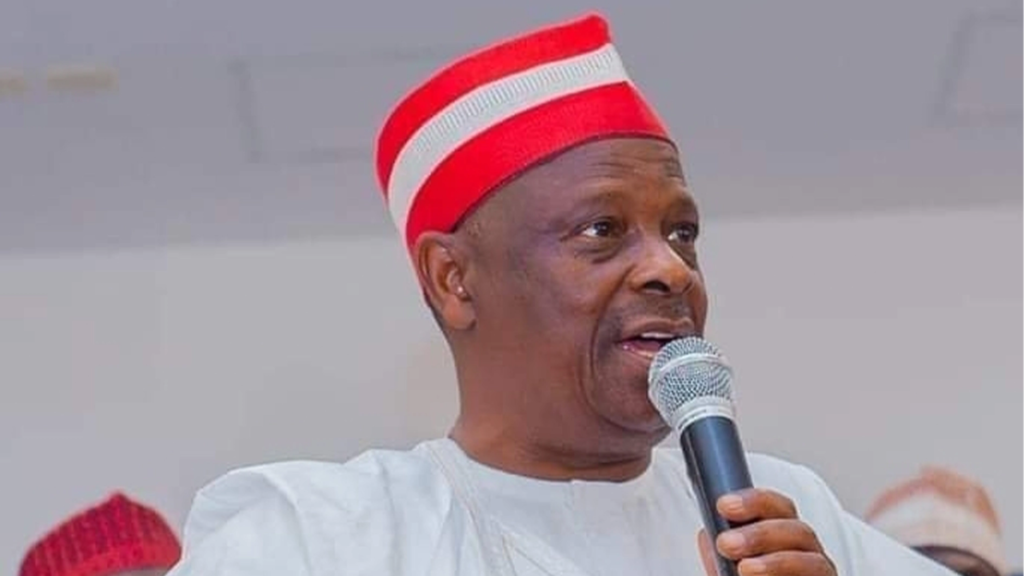
Kwankwaso, who served as governor of Kano State and later as a senator, remains a major figure in Nigerian politics and commands significant support, particularly in northern Nigeria.
Observers say the fact that APC and NNPP back Kwankwaso amid US sanctions tension reflects broader concerns about the implications of foreign legislative actions on domestic political actors.
The proposed bill also names organisations such as the Miyetti Allah Cattle Breeders Association of Nigeria and Miyetti Allah Kautal Hore, alleging involvement in religious freedom violations.
These allegations have been contested by Nigerian political stakeholders, who argue that such claims require thorough investigation and independent verification.
Political analysts note that the situation underscores growing international scrutiny of Nigeria’s internal security and human rights environment, particularly regarding religious freedom.
https://ogelenews.ng/us-sanctions-tension-over-kwankwaso
At the same time, they warn that sanctions against prominent political figures could complicate diplomatic relations between Nigeria and the United States.
The APC and NNPP maintain that APC and NNPP back Kwankwaso amid US sanctions tension not as a political favour, but as a defence of due process and legal fairness.
They argue that sanctions should be based on established facts and judicial findings, not legislative proposals alone.
The parties also expressed concern that premature sanctions could undermine democratic principles and damage Nigeria’s global standing.
The proposed legislation remains under review in the US Congress, and no sanctions have been formally imposed at this stage.
However, the mere introduction of the bill has already sparked debate within Nigeria’s political and diplomatic circles.
Some analysts say the situation highlights the increasing intersection between domestic politics and international human rights policy.
Others caution that external pressure, while sometimes effective, must be applied carefully to avoid unintended political and diplomatic consequences.
As APC and NNPP back Kwankwaso amid US sanctions tension, attention is expected to remain focused on developments in Washington and their potential impact on Nigeria’s political landscape.
The outcome of the legislative process could have far-reaching implications, not only for the individuals named in the bill but also for Nigeria’s broader relationship with the United States.
For now, Kwankwaso and his political allies remain firmly opposed to the proposed sanctions, insisting that any action must follow due process and respect international legal standards.