















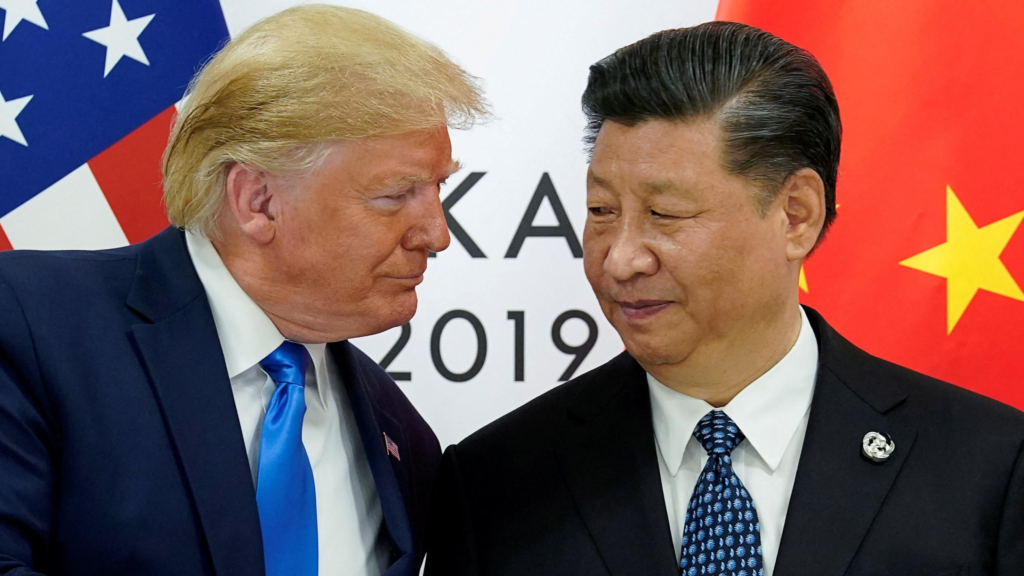
Western leaders seek closer China ties
The Shifting Global Trade Equation
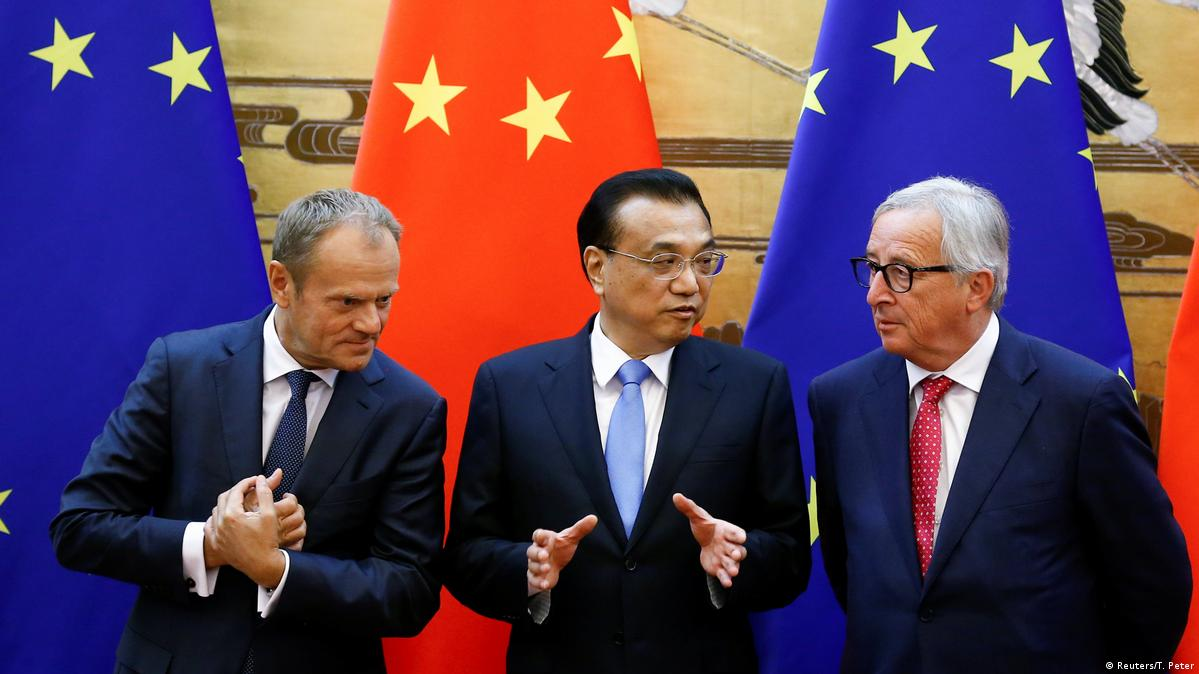
Western leaders are increasingly reassessing their economic and diplomatic posture toward China as uncertainty deepens around United States tariff policy, signalling a subtle but significant shift in global trade dynamics. From Europe to parts of North America, senior officials are exploring renewed engagement with Beijing, driven less by ideology and more by economic pragmatism in an era of fragile supply chains and slowing growth.
The renewed interest comes amid mounting concerns that unpredictable tariff regimes, protectionist signals, and election-year politics in Washington could disrupt long-term planning for businesses and governments alike. As a result, Western leaders seek closer China ties not as a wholesale realignment, but as a strategic hedge against volatility emanating from the US.
Tariff Uncertainty Reshapes Strategic Thinking
For much of the past decade, Western policy toward China has been shaped by caution, rivalry, and efforts at “decoupling.” However, recent tariff uncertainty from the United States has complicated that stance. Trade measures once framed as tools of strategic competition are now viewed by many allies as sources of instability.
Several European leaders have privately and publicly expressed concern that sudden tariff hikes or policy reversals from Washington could expose their economies to shocks. Manufacturing, energy transition projects, and technology supply chains remain particularly vulnerable. In this context, Western leaders seek closer China ties to preserve access to markets, raw materials, and manufacturing capacity that cannot be easily replicated elsewhere.
Europe Leads the Re-Engagement Effort
Across Europe, a more nuanced tone is emerging. While strategic caution remains, officials in key capitals are advocating “selective engagement” rather than confrontation. Trade delegations, investment forums, and bilateral dialogues with Beijing have quietly resumed or expanded.
European Union policymakers argue that maintaining open economic channels with China is essential for competitiveness, especially in green technology, electric vehicles, and infrastructure financing. With domestic industries under pressure and growth projections downgraded, Western leaders seek closer China ties as part of a broader effort to stabilise their economies without fully abandoning security concerns.
Business Pressure Drives Policy Adjustments
Corporate interests are playing a decisive role in shaping this recalibration. Multinational firms, particularly in manufacturing and consumer goods, have warned governments that prolonged trade friction with China could increase costs, reduce exports, and weaken global competitiveness.
Executives have lobbied policymakers to avoid policies that could trigger retaliatory measures or disrupt production networks. As these concerns gain traction, Western leaders seek closer China ties to reassure investors and signal continuity in trade relations, even as geopolitical tensions persist.
China Positions Itself as a Stable Partner
Beijing has been quick to capitalise on the moment. Chinese officials have presented their country as a predictable economic partner committed to multilateralism and open trade. High-level meetings, trade fairs, and investment incentives have been used to reinforce this message.
By contrast, uncertainty surrounding US tariff policy has made some Western governments wary of overreliance on Washington’s trade leadership. This perception gap has strengthened Beijing’s diplomatic hand, as Western leaders seek closer China ties to diversify their economic options and reduce exposure to unilateral policy shifts.
https://ogelenews.ng/western-leaders-seek-closer-china-ties
Balancing Values and Economic Reality
The renewed outreach does not mean Western governments are abandoning concerns over human rights, security, or technological dependence. Rather, it reflects an attempt to balance values with economic necessity. Officials emphasise that engagement with China will be conditional, targeted, and subject to safeguards.
Still, the trend underscores a reality of global politics: economic pressures often force recalibration. As inflation, energy costs, and post-pandemic recovery challenges persist, Western leaders seek closer China ties to buy stability and breathing room in an increasingly fragmented global economy.
Implications for Global Trade Architecture
This shift could have lasting consequences. A more pragmatic Western approach to China may weaken efforts at coordinated economic pressure and complicate alliance-based trade strategies. It could also accelerate the emergence of a multipolar trade system where countries hedge rather than align strictly with one bloc.
Analysts warn that while engagement may reduce short-term risks, it could also blur strategic clarity. Nonetheless, the immediate priority for many governments is economic resilience. In that context, Western leaders seek closer China ties not out of trust, but out of necessity.
What Happens Next
Much will depend on how US trade policy evolves. A clearer, more predictable tariff framework could slow or reverse this outreach. Continued uncertainty, however, is likely to deepen it. As elections approach and policy signals remain mixed, Western capitals are expected to keep channels with Beijing open.
For now, the message is unmistakable: global economics is driving diplomacy. And as long as tariff uncertainty persists, Western leaders seek closer China ties as a calculated response to an unpredictable international trade environment.
https://www.reuters.com/world/china