

















Why Kano Deputy Governor Should Resign
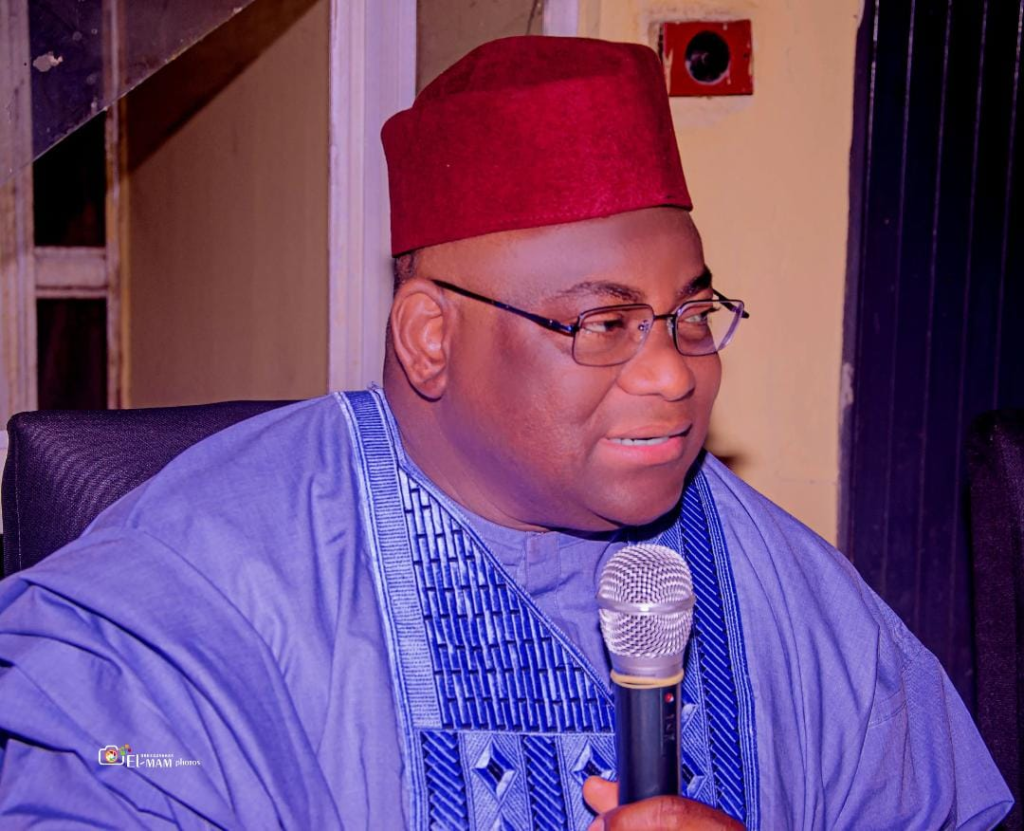
A senior Kano State government official has triggered fresh political controversy after publicly stating why the Kano Deputy Governor should resign, citing what he described as ethical breaches, governance concerns, and damage to public trust within the administration.
The commissioner’s remarks, which have since gone viral, have deepened internal tensions within Kano’s political establishment and sparked a broader debate about accountability, loyalty, and constitutional responsibility in sub-national governance. As reactions pour in from party leaders, civil society groups, and political analysts, the question dominating public discourse remains clear: should the Kano Deputy Governor resign?
The Statement That Sparked the Controversy
The controversy erupted after the commissioner, speaking during a media interaction in Kano, openly explained why the Kano Deputy Governor should resign, accusing the deputy governor of actions that allegedly undermine the integrity of the state government.
According to the commissioner, the call for resignation is not rooted in personal rivalry but in principles of governance and public accountability.
“When a public officer’s conduct brings embarrassment to the government and weakens confidence in leadership, resignation becomes the honourable path,” the commissioner said.
The remarks immediately drew attention because calls for a deputy governor to step aside are rare and often signal deep fractures within an administration.
Allegations and Governance Concerns
While the commissioner stopped short of listing criminal allegations, he outlined several governance-related concerns that, in his view, justify why the Kano Deputy Governor should resign. These include:
• Alleged failure to align with official government policies
• Public conduct deemed incompatible with the administration’s values
• Actions said to have strained relations within the executive council
• Loss of confidence among key political stakeholders
The commissioner argued that leadership is not only about legality but also about perception, trust, and cohesion.
“Public office demands discipline. When trust is eroded, the system suffers,” he said.
Political Fallout Within Kano Government
The call explaining why the Kano Deputy Governor should resign has exposed widening cracks within Kano’s political leadership. Sources within the state government describe rising unease among commissioners and lawmakers, many of whom fear the dispute could weaken governance and distract from policy delivery.
Some insiders say the deputy governor’s continued stay in office has become a source of internal friction, while others warn that forcing a resignation could destabilise the administration.
Reactions From Political Actors
Political reactions have been sharply divided.
Supporters of the commissioner argue that his stance reflects courage and commitment to accountability. They insist that why the Kano Deputy Governor should resign is a legitimate public question, not an act of sabotage.
Opposition figures, however, accuse the commissioner of escalating internal disagreements into a public spectacle.
“Internal party and government disputes should be handled internally, not through the media,” a party chieftain said.
Meanwhile, civil society groups have called for transparency, urging the government to clearly explain the issues fueling the demand for resignation.
https://ogelenews.ng/why-kano-deputy-governor-should-resign
Constitutional Context: Can a Deputy Governor Be Forced to Resign?
Under Nigeria’s constitution, a deputy governor cannot be removed simply by political pressure. Legal experts note that resignation remains a personal decision unless impeachment proceedings are initiated by the State House of Assembly.
However, analysts point out that sustained political pressure and loss of executive confidence often precede voluntary resignations in Nigerian politics.
This legal reality makes the commissioner’s explanation of why the Kano Deputy Governor should resign particularly significant, as it signals moral rather than legal compulsion.
Impact on Governance and Public Confidence
Governance experts warn that prolonged leadership disputes can have real consequences for policy implementation, investor confidence, and public trust.
Kano State, one of Nigeria’s most politically influential states, cannot afford prolonged instability, analysts say.
“When senior officials publicly clash, governance slows, and citizens pay the price,” a public affairs analyst noted.
The debate over why the Kano Deputy Governor should resign has already dominated public conversation, diverting attention from pressing issues such as infrastructure, education, and economic reform.
Silence From the Deputy Governor
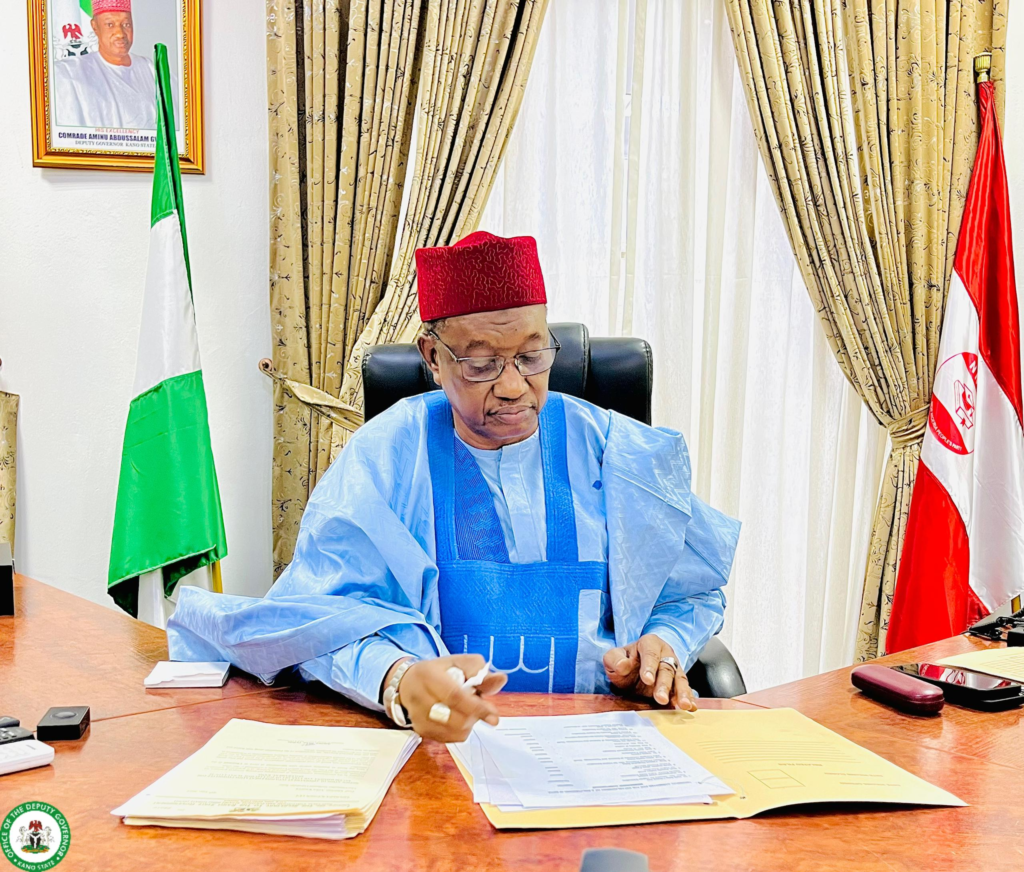
As of the time of filing this report, the Kano Deputy Governor has not issued an official response to the commissioner’s remarks. Close aides say consultations are ongoing, and a formal statement may be released in the coming days.
Political observers note that silence, in such cases, can either be strategic restraint or an indication of deeper negotiations behind closed doors.
What Happens Next?
Several scenarios are now possible:
• The deputy governor issues a rebuttal, denying the allegations
• Behind-the-scenes reconciliation within the government
• Escalation into legislative action if tensions persist
• Voluntary resignation to protect the administration
Whatever unfolds, analysts agree that the issue of why the Kano Deputy Governor should resign has become a defining political test for Kano State’s leadership culture.
A Broader Lesson in Political Accountability
Beyond Kano, the episode raises wider questions about accountability in Nigerian politics. Should public officials step aside when controversies threaten governance, even without legal compulsion?
For many observers, the commissioner’s argument highlights an uncomfortable truth: leadership credibility often matters as much as constitutional protection.
As Kano watches closely, the unfolding drama may set a precedent for how internal government disputes are handled in Nigeria’s evolving political
https://www.businessday.ng/news/article
Why Kano Deputy Governor Should Resign