













youngest Dutch prime minister
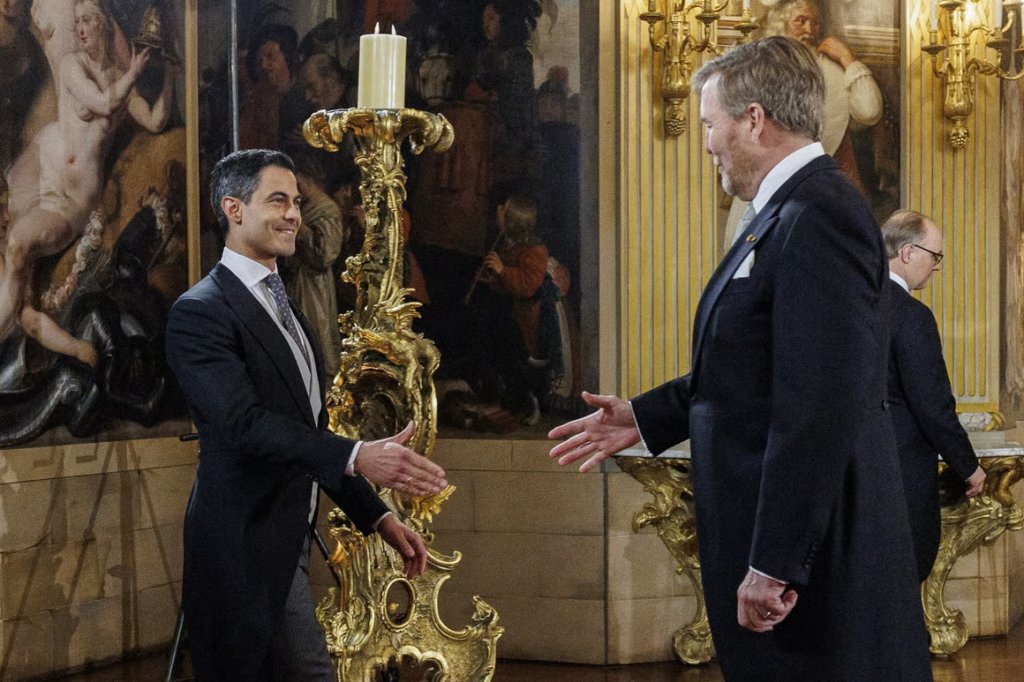
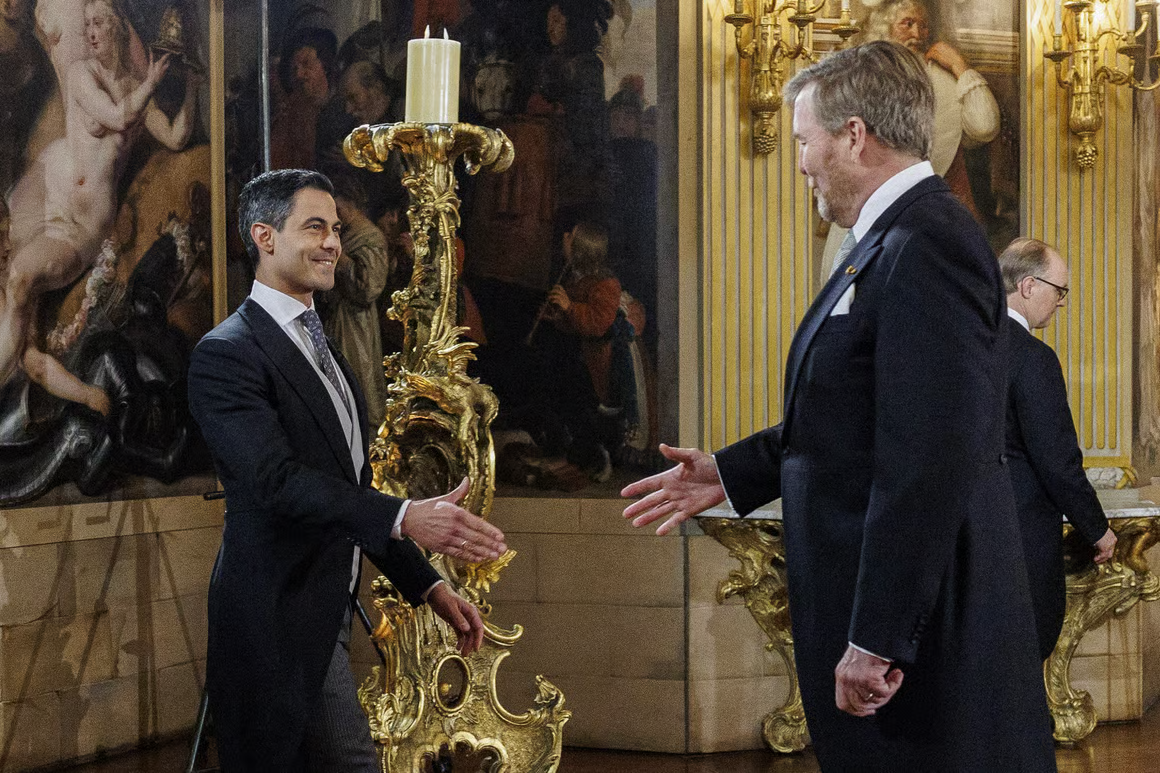
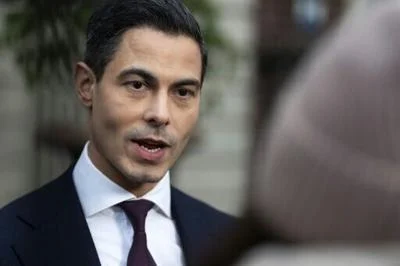
The Hague, Netherlands — Rob Jetten, the leader of the centrist Democrats 66 (D66) party, has been sworn in as the youngest Prime Minister in Dutch history, marking a major reset in the Netherlands’ fractious political landscape after months of coalition negotiations. 
King Willem-Alexander administered the oath of office on 23 February 2026 at the Huis ten Bosch Palace in The Hague, formally installing a new minority coalition government led by Jetten. The ceremony came more than three months after the October 2025 national elections, which left no party with a clear majority. 
At 38 years old, Jetten now holds the office of prime minister, a position that places him at the centre of Dutch domestic and international politics during a period of both internal fragmentation and global uncertainty. 
A historic moment: youngest Dutch prime minister and more
Rob Jetten’s appointment is significant on several fronts:
• He is the youngest prime minister in the Netherlands’ history. 
• He is also the first openly gay head of government in the country’s history. 
• The coalition he leads is a three-party minority that will need constant negotiation to pass laws. 
That combination — youth, representation, and political balance — positions Jetten’s leadership as both symbolic and strategic in a highly pluralistic Dutch political ecosystem, youngest Dutch prime minister.
Formation of a fragile coalition
The new coalition government emerged after 117 days of negotiations led by Jetten following the inconclusive 2025 general election. 
D66 joined forces with the centre-right Christian Democratic Appeal (CDA) and the liberal People’s Party for Freedom and Democracy (VVD) to form a cabinet despite lacking a majority in the House of Representatives. Together, the three parties hold just 66 out of 150 seats, meaning the government will have to work with opposition lawmakers to advance legislation. 
Being sworn in as prime minister under these conditions places immediate pressure on Jetten’s political skills. As the coalition holds a minority, he will have to build consensus on policy issues ranging from welfare reform and healthcare spending to migration and defence. 
What the minority government faces
Jetten steps into office amid several high-stakes challenges:
Legislative hurdles: With a minority in parliament, the new Cabinet will need support from opposition parties — including the newly merged Green Left and Labour Party — to pass key legislation, youngest Dutch prime minister.
Domestic reforms: The government has signalled intentions to make changes to public spending, including potentially contentious cuts in healthcare and welfare, a move that has already drawn criticism from opposition lawmakers and activists. 
Coalition stability: Minority governments are inherently less stable in the Dutch political system, which traditionally operates through broader coalition agreements. Jetten’s coalition must maintain delicate support from outside partners to govern effectively. 
International agenda: Jetten has suggested continuity in the Netherlands’ support for international partners, such as Ukraine, and has indicated an interest in reaffirming the country’s role in the European Union and NATO alliances. 
https://ogelenews.ng/youngest-dutch-prime-minister-rob-jetten

What Jetten brings to the role
Rob Jetten’s political career has been marked by rapid advancement and high-profile roles long before he became prime minister. Born in Veghel, the Netherlands, in 1987, he studied public administration at Radboud University and rose through the ranks in D66, holding several government positions, including minister for climate and energy policy and deputy prime minister in earlier administrations, youngest Dutch prime minister.
His success in the 2025 election, leading D66 to its best-ever showing, reflects both his personal appeal and a broader desire among Dutch voters for alternatives to the polarising politics that have dominated recent years. 
Being sworn in as the youngest Dutch prime minister at 38 underscores his generational shift in leadership and a departure from the traditional political establishment. 
Political context: after years of fragmentation
The cabinet led by Jetten is the third new administration in just over four years, reflecting a period of political volatility in the Netherlands. Previous governments, including one led by far-right figure Geert Wilders, collapsed amid coalition disputes over policy issues such as asylum laws and governance priorities. 
After the 2025 election saw both D66 and Wilders’ Party for Freedom (PVV) each win 26 seats, forming a stable majority became difficult, and extended negotiations ensued. Ultimately, Jetten’s centrist coalition secured just enough agreement to govern, albeit without a majority, youngest Dutch prime minister.
Early priorities and challenges
During his address following the swearing-in, Jetten emphasised the need to bridge political divides and build broad support for key policies. He pledged to pursue economic stability, address the housing crisis and maintain strong international partnerships, particularly in defence and EU cooperation. 
Still, critics question how a minority government can deliver on ambitious reform without stable parliamentary backing, especially considering the resistance from both left-wing and nationalist blocs, youngest Dutch prime minister.
Why this matters beyond the Netherlands
The appointment of Rob Jetten as the youngest Dutch prime minister speaks to wider trends in European democracies, where younger leaders and centrist coalitions are emerging amid backlash against polarised and populist politics.
Jetten’s government will not only shape domestic policy but also contribute to how the Netherlands engages with global issues — from migration and climate policy to European Union cohesion and relations with allies.
https://punchng.com/centrist-rob-jetten-sworn-in-as-youngest-dutch-prime-minister