









2027 election violence in Nigeria
Inspector-General of Police Tunji Disu vows to prosecute political violence offenders as opposition parties express fears over attacks on candidates and supporters ahead of the 2027 elections.2027 election violence in Nigeria
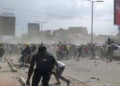
Growing concerns over 2027 election violence in Nigeria have intensified following the killing of six people during an attack on a political campaign gathering in Delta State, prompting fresh warnings from the Nigeria Police Force and the Independent National Electoral Commission (INEC).
The deadly incident occurred on Monday, November 23, 2026, at Uduere community in Ughelli North Local Government Area, during a campaign event involving former Deputy Senate President Ovie Omo-Agege.
Police confirmed that preliminary investigations indicated six fatalities and several injuries, contradicting an earlier report by Omo-Agege’s campaign organisation that four people had been killed.
The attack has heightened concerns about the safety of political candidates, supporters and ordinary citizens participating in campaign activities ahead of the January 16, 2027 presidential election.
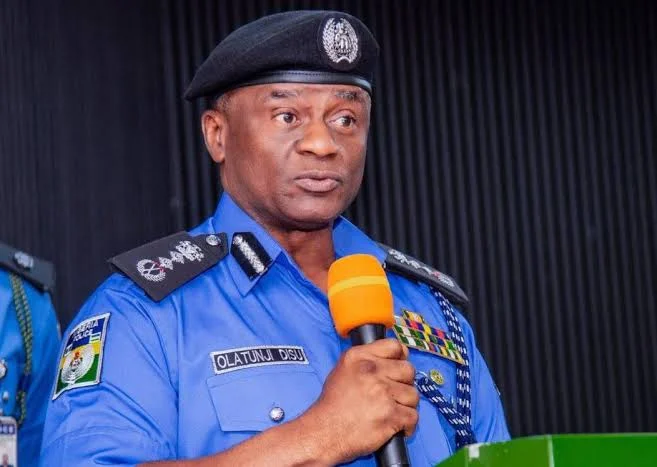
Reacting to the escalating tensions, Inspector-General of Police Olatunji Disu warned politicians against using intimidation, armed groups and violence to pursue electoral ambitions.2027 election violence in Nigeria
The INEC chairman, Professor Joash Amupitan, also expressed concern that repeated attacks could discourage political participation and damage public confidence in the electoral process.
Meanwhile, opposition political parties have criticised what they describe as inadequate security protection, with some warning that continued attacks could force their supporters to consider self-defence.
2027 Election Violence in Nigeria: Police Confirm Six Deaths in Delta
The latest controversy followed the deadly attack on Omo-Agege’s campaign gathering in Uduere, Ughelli North.
According to the former Deputy Senate President’s campaign organisation, armed men attacked supporters during a political event.
Omo-Agege, who was associated with the Nigeria Democratic Congress (NDC) campaign for the Delta Central Senatorial District, reportedly escaped without physical injury.
However, several people attending the gathering were killed or injured.
Among those identified by the campaign organisation were Urhobo youth activist Efemena Umukoro, popularly known as General Akima, and political associate Moses Anaughe.
The campaign organisation initially reported four deaths, but police subsequently confirmed that preliminary information indicated six people had died.
The Inspector-General of Police ordered an investigation into the circumstances surrounding the killings, including the possible role of security personnel deployed to the area.
The identities of the attackers and their motives have not been conclusively established.2027 election violence in Nigeria
Police Summon Omo-Agege, Council Chairman, Five Others
In a significant development, the Delta State Police Command invited Omo-Agege and six other individuals for questioning over the attack.
The invitation was announced by the command’s spokesperson, SP Bright Edafe, on Tuesday, November 24.
Omo-Agege was asked to report to the State Criminal Investigation Department in Asaba on Thursday, November 26, at 11 a.m.
The Chairman of Ughelli North Local Government Area, Jaro Movudu Egbo, was also invited for questioning on the same day.
Five additional individuals, including community leaders and associates, were scheduled to appear before investigators on November 27.
Commissioner of Police Samuel Erale explained that the invitations formed part of efforts to establish the facts surrounding the deadly confrontation.
The command urged the invited individuals to cooperate and warned against bringing supporters to the police headquarters.
The invitations should not be interpreted as findings of criminal responsibility.
Police have yet to establish who organised or carried out the attack, and no final investigative conclusions were announced in the reports reviewed.
IGP Tunji Disu Warns Politicians Against Armed Groups
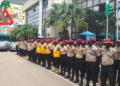
Speaking at a high-level security meeting in Abuja on Tuesday, November 24, Inspector-General Disu expressed concern over the increasing number of politically related violent incidents.
The meeting brought together representatives of INEC, political parties, civil society organisations and security stakeholders.
Disu identified attacks on campaign venues, clashes among political supporters, intimidation of opponents and the use of dangerous weapons as threats requiring urgent intervention.
He warned that election campaigns must not become occasions for violence or harassment.
The police chief insisted that political office, party membership and personal influence would not protect offenders from prosecution.
He also pledged that the Nigeria Police Force would remain impartial in carrying out election security responsibilities.
According to Disu, the police owe their primary responsibility to the Constitution, the law and the Nigerian people.
He urged political leaders to take responsibility for the behaviour of their supporters and avoid inflammatory statements capable of provoking confrontation.
The warning followed the killings in Delta and reports of attacks on political activities in other parts of the country.
https://ogelenews.ng/six-killed-in-delta-campaign-attack-as-police-inec-…
INEC Chairman Raises Alarm Over Growing Political Violence
INEC Chairman Joash Amupitan warned that the increasing incidents of intimidation and violence could undermine the credibility of the 2027 general elections.
Addressing participants at the security meeting, Amupitan recalled his earlier warning to political parties and members of the National Peace Committee in August 2026.
He said political competition should involve the presentation of policies and programmes rather than attacks on opponents.
The electoral commission chairman expressed particular concern that violence could prevent citizens from assembling, campaigning and expressing their political preferences.2027 election violence in Nigeria
He also drew attention to Sections 95, 96 and 97 of the Electoral Act 2026, which address conduct during political campaigns.
Amupitan warned parties against retaining unlawful security groups or political organisations intended to intimidate opponents.
INEC consequently announced plans to convene a security conference on Thursday, November 26, involving security service chiefs and members of the Inter-Agency Consultative Committee on Election Security.
The meeting is expected to examine emerging threats and strengthen coordination ahead of the polls.
NDC Boycotts Police Security Meeting, Alleges Bias
The Nigeria Democratic Congress declined to participate in the security meeting convened by the Inspector-General of Police.
Its National Publicity Secretary, Osa Director, accused security agencies of failing to adequately protect the party’s candidates and supporters.
The NDC alleged that politically motivated attacks had affected its members in Delta, Benue, Edo, Cross River, Enugu and other states.
It also accused individuals it described as supporters of the ruling All Progressives Congress of involvement in some of the incidents.
These allegations have not been independently established through completed criminal investigations.
The party argued that participating in the meeting would be inappropriate while its concerns about the protection of members remained unresolved.
The NDC called for credible investigations and prosecutions, insisting that political competition must not expose citizens to violence.
Its decision to boycott the meeting reflects the growing disagreement between some opposition parties and security authorities over the handling of campaign-related incidents.
ADC Warns Failure to Protect Citizens Could Trigger Self-Defence
The African Democratic Congress also expressed concern about attacks on opposition candidates and supporters.
Its National Publicity Secretary, Bolaji Abdullahi, argued that repeated security failures could encourage individuals to take measures to protect themselves.
Abdullahi maintained that the party remained committed to non-violence but could not disregard the safety concerns of its members.
He warned that a situation in which citizens no longer trusted the state to protect them could create wider instability.
The party’s position highlights the tension between the right to lawful self-defence and the danger of organised political retaliation.
While Nigerian law recognises self-defence in appropriate circumstances, political parties and their supporters do not have unrestricted authority to organise armed groups or engage in reprisal attacks.
The distinction has become increasingly important as the 2027 election violence debate intensifies.
PDP Calls for Special Courts to Prosecute Electoral Violence
The Peoples Democratic Party adopted a different position, urging its supporters not to take the law into their own hands.
The party’s National Publicity Secretary, Jungudo Muhammad, warned that retaliatory violence could worsen insecurity.
The PDP proposed the establishment of specialised courts to accelerate the prosecution of offences arising from election-related violence.
According to the party, faster prosecution could strengthen accountability and discourage further attacks.
The proposal reflects concerns that delays in investigating and prosecuting political violence may undermine confidence in law enforcement.
However, the establishment of specialised courts would require an appropriate legal framework and safeguards to ensure fair trials.
The PDP maintained that affected political parties should report attacks to security agencies rather than organise retaliation.
APC Rejects Reprisal Attacks, Calls for Lawful Response
The ruling All Progressives Congress rejected suggestions that political parties should respond to attacks through organised retaliation.
Speaking through media aide Abimbola Tooki, APC National Chairman Professor Nentawe Yilwatda urged political parties to rely on lawful security processes.
The APC maintained that violence should not become a method of resolving political disagreements.
It also rejected calls that could encourage the possession of unlawful weapons or retaliatory attacks.
The ruling party emphasised that individuals facing immediate threats may act within the law, but such circumstances do not justify planned political violence.
The Social Democratic Party also called for equal security protection for candidates and supporters, regardless of political affiliation.
Its National Chairman, Professor Sadiq Gombe, urged security agencies to investigate reported incidents promptly and prosecute offenders without discrimination.
These responses demonstrate differing approaches among political parties to the same fundamental concern: protecting campaign participants while preventing further violence.
Delta Governor Orders Investigation, Imposes Curfew
Delta State Governor Sheriff Oborevwori condemned the killings and directed security agencies to identify those responsible.
The governor visited Uduere community to assess the situation and reassure residents following the attack.
He described the loss of life as unacceptable and urged political leaders to avoid conduct that could threaten public peace.
The Delta State Government also imposed a dusk-to-dawn curfew across Ughelli North Local Government Area.
Under the restriction, movement is prohibited between 6 p.m. and 6 a.m. daily until further notice.
Security agencies have been directed to enforce the measure and prevent further violence.
However, the governor’s administration has rejected any suggestion that political disagreement should result in the killing or intimidation of citizens.
The police investigation is expected to examine competing allegations surrounding the incident and establish the responsibilities of those involved.
Attacks in Other States Deepen Election Security Concerns
The Delta killings are not the only incidents raising concern ahead of the 2027 elections.
Reports have emerged of attacks and confrontations involving political candidates and supporters in Kano, Cross River, Edo, Ekiti and other states.
In Kano, suspected attackers reportedly damaged vehicles during an incident involving the convoy of NDC vice-presidential candidate Rabiu Musa Kwankwaso in Bichi.
Other reported incidents include attacks affecting political gatherings and campaign activities involving opposition candidates.
These incidents have intensified public discussion about the responsibilities of security agencies, political parties and election management institutions.
However, each incident requires independent investigation.
The existence of multiple attacks does not automatically establish that they were coordinated by the same individuals or political organisation.
Establishing responsibility requires evidence rather than accusations based solely on party affiliation.
Why Political Violence Threatens Voter Participation
The consequences of political violence extend beyond the immediate victims and their families.
When citizens witness attacks at campaign rallies or political gatherings, some may become reluctant to participate in public political activities.
Candidates may face difficulties holding meetings, while party volunteers and supporters may fear intimidation.
Violence can also disrupt the ability of election officials to prepare for voting.
For vulnerable groups, including women, elderly people and persons with disabilities, insecurity may create additional barriers to participation.
A credible election requires more than the lawful counting of votes.
Citizens must also be able to campaign peacefully, attend political meetings, receive information and express their preferences without threats.
Repeated incidents of intimidation can undermine these conditions long before election day.
The 2027 election violence concerns therefore involve both public safety and the integrity of democratic participation.
What Must Happen Before the 2027 General Elections?
The immediate priority following the Delta killings is the completion of a credible and impartial criminal investigation.
Those responsible for unlawful violence must be identified through evidence and subjected to appropriate legal proceedings.
Political parties also have responsibilities to discourage inflammatory rhetoric and prevent supporters from using weapons or intimidation.
Security agencies must provide protection without discrimination and respond promptly to credible threats.
For INEC, maintaining effective coordination with security institutions will be important as campaigns intensify.
The security conference scheduled for November 26 provides an opportunity for the electoral commission and law enforcement agencies to review reported incidents and strengthen preventive measures.
However, public confidence will depend on practical results, including credible investigations, transparent communication and lawful enforcement.
Conclusion: Delta Killings Put 2027 Election Security Under Scrutiny
The killing of six people during the Delta campaign gathering has brought renewed attention to the dangers of political violence ahead of Nigeria’s 2027 general elections.
The Inspector-General of Police has promised stronger enforcement, while INEC has warned that insecurity could undermine political participation.
Opposition parties have questioned the adequacy of existing protection arrangements, although they differ over how supporters should respond to attacks.
The APC has rejected reprisal violence, while the PDP has proposed faster prosecution through specialised courts.
As investigations continue, the central issue remains the protection of citizens and the responsibility of public institutions to enforce the law impartially.
The outcome of the Delta investigation will provide an important indication of how authorities respond to serious allegations of election-related violence.
Ogele News will continue monitoring the Delta killings, the police investigation, INEC’s election security preparations and developments affecting political campaigns across Nigeria.