












DisCos revenue collection
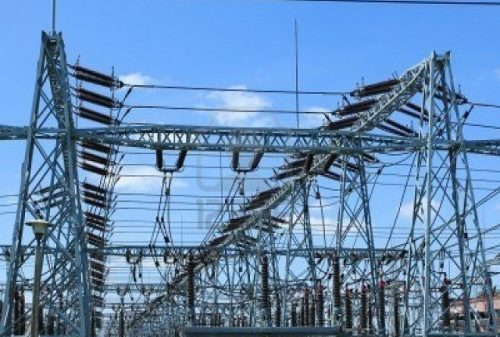
Electricity distribution companies across Nigeria have significantly increased DisCos revenue collection despite continued complaints from consumers over unstable electricity supply, rising tariffs and weak power infrastructure.
Recent industry data shows that the country’s electricity distribution companies generated higher revenue in 2025 even as many households and businesses continued to struggle with low power availability and frequent outages.
The development has intensified debate within Nigeria’s power sector, where consumers increasingly question why electricity costs continue to rise while supply remains inconsistent.
According to figures reviewed from the Nigerian Electricity Regulatory Commission, NERC, the country’s 11 distribution companies improved collection efficiency and overall earnings during the period under review. However, electricity generation and supply levels remained unstable in many parts of the country.
This contradiction sits at the centre of the DisCos revenue collection debate. Consumers argue that rising payments should ordinarily correspond with improved service delivery, better infrastructure and more reliable electricity. Instead, many households still rely heavily on generators, inverters and alternative energy sources.
Businesses have been particularly vocal about the issue. Manufacturers, small businesses and commercial operators continue to cite poor electricity supply as one of the biggest cost burdens in Nigeria’s economy. Frequent outages force many firms to spend heavily on diesel, petrol and private power generation.
The increase in DisCos revenue collection has partly been linked to tariff adjustments approved by regulators, improved metering in some areas and stronger debt recovery efforts by distribution companies. Analysts say these factors helped boost collections even where actual supply growth remained weak.
In 2024 and 2025, electricity tariffs for Band A customers were significantly increased under the government’s service-reflective tariff framework. The policy was designed to improve liquidity within the power sector and encourage investment in infrastructure by linking higher tariffs to better supply hours.
However, many consumers argue that the expected improvement in supply has not materialised consistently.
That frustration has shaped public reaction to rising DisCos revenue collection figures. For many Nigerians, electricity bills continue to increase even when supply remains unreliable. Complaints over estimated billing, transformer failures, voltage fluctuations and extended blackouts remain widespread.
The Nigerian Electricity Regulatory Commission has repeatedly stated that distribution companies are expected to meet minimum service standards tied to tariff categories. But enforcement challenges and infrastructure limitations continue to affect implementation.
According to NERC’s industry reports, the Nigerian Electricity Supply Industry still struggles with transmission bottlenecks, energy theft, metering gaps and liquidity problems. These structural weaknesses affect both supply reliability and the financial sustainability of operators.
The DisCos revenue collection increase therefore reflects a complicated reality. On one hand, stronger collections may improve the financial position of electricity distributors and help them settle obligations within the sector. On the other hand, consumers expect visible service improvement in return for higher payments.
Energy experts say the Nigerian power sector has long suffered from a mismatch between investment needs and operational performance. Distribution companies often argue that poor infrastructure, inherited technical problems and inadequate investment capital limit their ability to deliver stable supply.
https://ogelenews.ng/discos-increase-revenue-despite-persistent-power-su…
Consumer groups, however, counter that inefficiency and weak accountability remain major issues. They argue that many customers continue to pay for electricity they do not consistently receive.
The issue is particularly serious for small businesses. In cities across Nigeria, many shops, salons, restaurants and workshops operate under unstable electricity conditions while still receiving high monthly bills. For some operators, energy costs now represent one of the largest business expenses.
This economic pressure explains why the DisCos revenue collection story resonates beyond the power sector itself. Electricity reliability affects inflation, manufacturing costs, job creation and household welfare.
The Manufacturers Association of Nigeria has repeatedly warned that unstable power supply continues to weaken industrial productivity. Businesses forced to self-generate electricity often transfer those costs to consumers through higher prices of goods and services.
Another source of public frustration is estimated billing. Although metering programmes have expanded in recent years, millions of customers still do not have prepaid meters. As a result, many consumers remain exposed to estimated charges that are frequently disputed.
The Federal Government and NERC have introduced initiatives aimed at closing the metering gap, including the National Mass Metering Programme. But implementation challenges persist, and many communities still complain of delayed meter installation.
The increase in DisCos revenue collection also comes amid wider reforms in the electricity sector. The Electricity Act signed into law in 2023 decentralised parts of electricity regulation and allowed states to play larger roles in power generation and distribution.
Supporters of the reform argue that greater state participation and private investment could improve competition and infrastructure development over time. Critics, however, warn that consumers may continue facing higher tariffs without corresponding service improvement if regulatory enforcement remains weak.
Meanwhile, electricity generation itself remains unstable. Nigeria’s grid has experienced repeated collapses and fluctuations over the years, limiting the amount of power available for distribution. Even where distribution companies improve collections, inadequate generation and transmission capacity can still constrain supply.
That is why the DisCos revenue collection story cannot be viewed in isolation. The entire electricity value chain — generation, transmission and distribution — remains interconnected.
For ordinary Nigerians, however, the concern is more immediate and practical: whether electricity will stay on long enough to justify the bills they receive.
The credibility of the sector increasingly depends on this balance. If tariffs and collections continue rising while service quality remains poor, public trust in the reform process may weaken further.
Consumer rights advocates have therefore called on regulators to enforce stricter accountability measures, including service-level monitoring, compensation mechanisms and transparent billing practices.
In the final analysis, the rise in DisCos revenue collection reflects both progress and contradiction within Nigeria’s electricity sector.
It suggests that distribution companies are improving financially, at least in revenue terms. But it also exposes the continuing gap between consumer expectations and actual electricity supply.
Until Nigerians consistently experience stable and reliable power, rising collections will continue to generate public resentment, no matter how strongly the sector’s financial indicators improve.
https://punchng.com/discos-ramp-up-revenue-collection-amid-low-power-supply/?amp=