

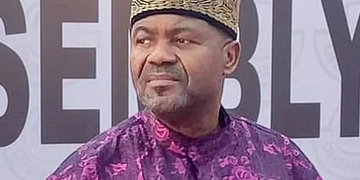














El-Rufai medical treatment

The Federal High Court sitting in Kaduna has granted former Kaduna State governor, Nasir El-Rufai, permission to access medical treatment while in the custody of the Independent Corrupt Practices and Other Related Offences Commission, ICPC.
The order on El-Rufai medical treatment was issued during proceedings before Justice Rilwan Aikawa in the ongoing trial involving the former governor and a co-defendant, Joel Adoga. The case borders on alleged corruption-related offences and money laundering. Both defendants have pleaded not guilty to the charges.
According to a statement by ICPC spokesman, Okor Odey, the court granted the request after defence counsel made a compassionate plea asking that El-Rufai be allowed access to medical care, specifically dental and eye treatment, at designated facilities in Abuja.
The court directed the ICPC to convey the former governor, under strict supervision, to medical facilities of his choice, including Mile Dental Clinic and Skipper Eye-Q Hospital in Abuja, whenever the need arises. The court also ordered that he be returned to custody immediately after treatment.
The El-Rufai medical treatment order does not amount to freedom from custody. It is a supervised medical access arrangement within the broader framework of the pending criminal proceedings. That distinction is important because the ruling only covers treatment access and does not determine the substance of the charges against him.
The matter came up on Wednesday as part of proceedings connected to El-Rufai’s application seeking variation of previously granted bail conditions. At an earlier hearing, the court had granted him bail in the sum of N200 million, with two sureties in like sum, while the administrative bail earlier granted to the second defendant, Joel Adoga, was adopted by the court.
The ICPC said the former governor and Adoga are facing a 10-count charge involving alleged conversion and possession of proceeds of corruption, as well as alleged money laundering contrary to the Money Laundering (Prevention and Prohibition) Act, 2022.
The El-Rufai medical treatment ruling now adds a human and procedural dimension to a case already drawing national attention because of El-Rufai’s political profile. As a former governor, former minister and prominent political figure, every development in the matter is likely to be closely watched by legal observers, political actors and the public.
Still, the legal meaning of the court’s decision should not be overstated. The court did not pronounce on guilt or innocence. It only allowed access to medical care under controlled conditions. In criminal proceedings, an accused person is presumed innocent until proven guilty, and the right to medical attention remains part of basic custody standards.
https://ogelenews.ng/court-grants-el-rufai-medical-access-in-custody-ami…
That is why the wording of the order matters. The court did not give a blanket permission for unsupervised movement. It specifically tied the El-Rufai medical treatment access to ICPC supervision and immediate return to custody after treatment. This suggests that the court attempted to balance the defendant’s health needs with the prosecution’s custody concerns.
The case also comes at a time when public conversations around detention conditions, bail terms and treatment of politically exposed persons remain sensitive. Nigerians often watch high-profile corruption trials with suspicion, either fearing selective prosecution on one side or preferential treatment on the other. For the judiciary, the challenge is to maintain fairness without feeding either perception.
In this case, the court’s order appears carefully limited. The former governor may access treatment, but only for specified medical needs and under the watch of the anti-graft agency. That structure allows the court to protect his health rights without weakening the integrity of the ongoing trial.
The El-Rufai medical treatment decision also places responsibility on the ICPC. The commission must comply with the court’s order while ensuring that custody procedures are properly documented. Any movement from custody to a medical facility must be handled transparently, professionally and strictly within the terms approved by the court.
For El-Rufai’s legal team, the order provides relief on health grounds while the broader bail-variation application remains part of the court process. For the prosecution, the supervised nature of the order helps preserve control over custody and trial management.
The wider public interest lies in ensuring that the case proceeds without unnecessary delay. High-profile corruption cases in Nigeria are often weakened by adjournments, procedural disputes, health-related applications and political narratives. The court will therefore be expected to keep a firm grip on timelines while respecting the rights of all parties.
The El-Rufai medical treatment ruling should also remind the public that custody does not cancel constitutional protections. Whether an accused person is poor, wealthy, unknown or politically powerful, access to necessary medical care should not be treated as a privilege. The real test is whether the same standard is applied consistently to all defendants in custody.
For now, the verified position is clear. The Federal High Court in Kaduna has granted El-Rufai access to dental and eye treatment in Abuja. The access will be under strict ICPC supervision. He is to be returned to custody immediately after treatment. And the corruption and money laundering trial remains ongoing.
In the final analysis, the El-Rufai medical treatment order is a limited but significant procedural development. It does not end the case. It does not weaken the charges. It does not amount to an acquittal or release. It only confirms that the court has allowed medical access under supervision while the trial continues.
The real issue remains before the court: whether the prosecution can prove its allegations beyond reasonable doubt. Until then, the case will continue to test Nigeria’s justice system, not only on corruption accountability, but also on fairness, custody rights and judicial discipline.
https://punchng.com/judge-okays-el-rufais-medical-treatment-in-custody