
















Federal Government wage award ultimatum
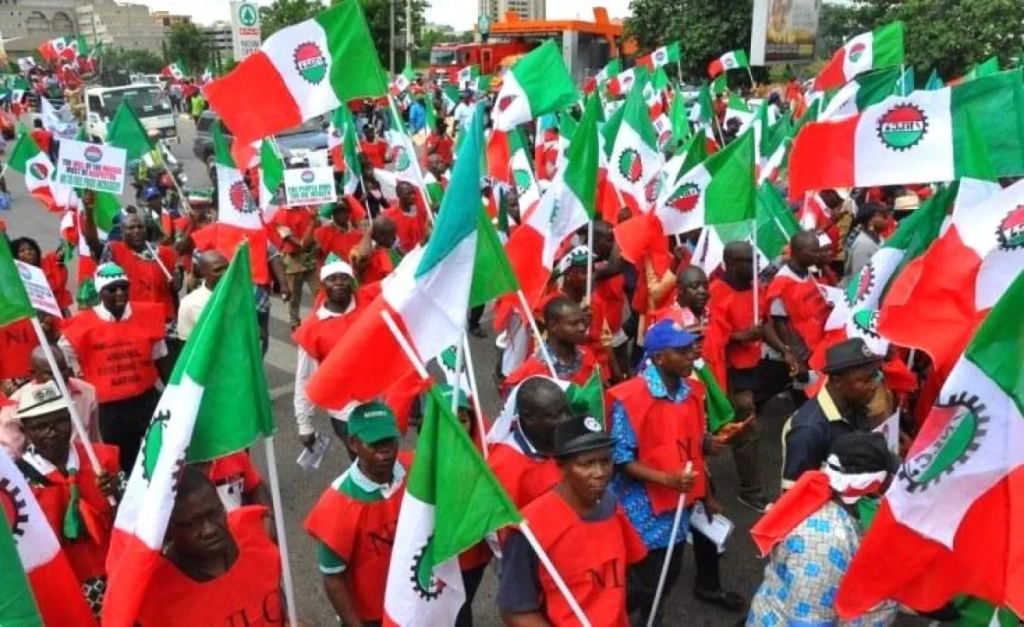
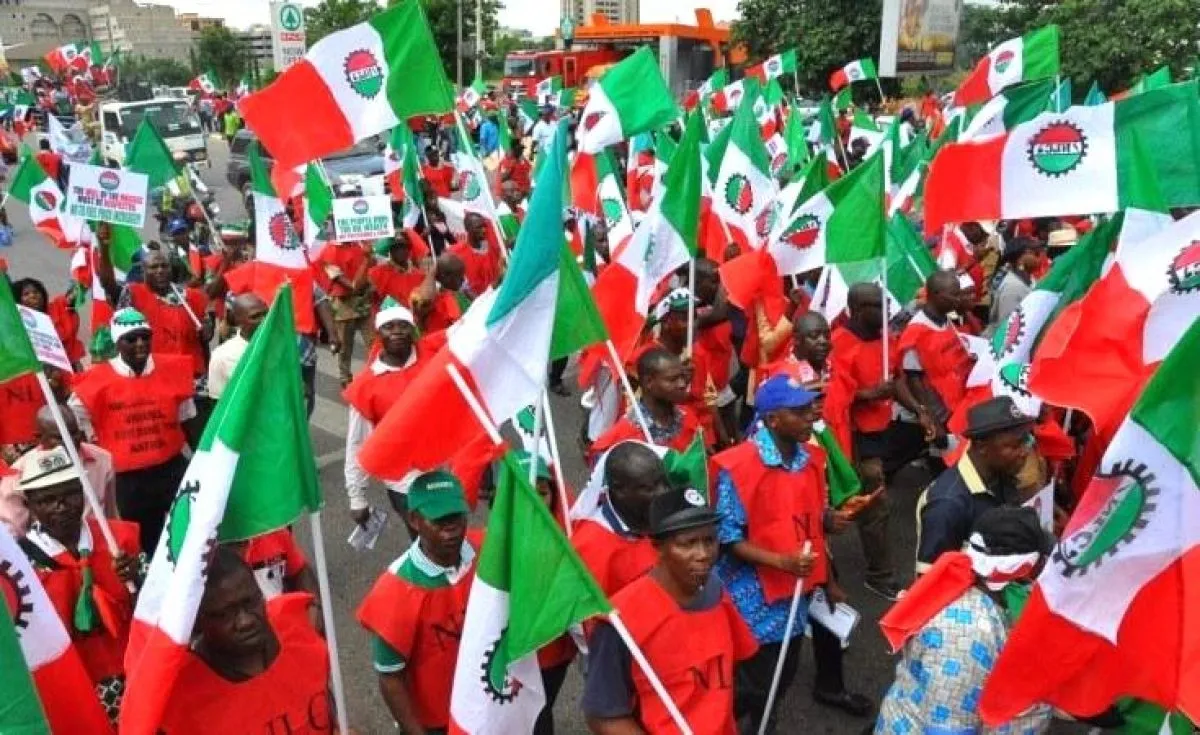
Organised labour has given the Federal Government until August 11, 2026, to settle outstanding wage award obligations owed to federal workers, warning that failure to address the issue could trigger nationwide industrial action.
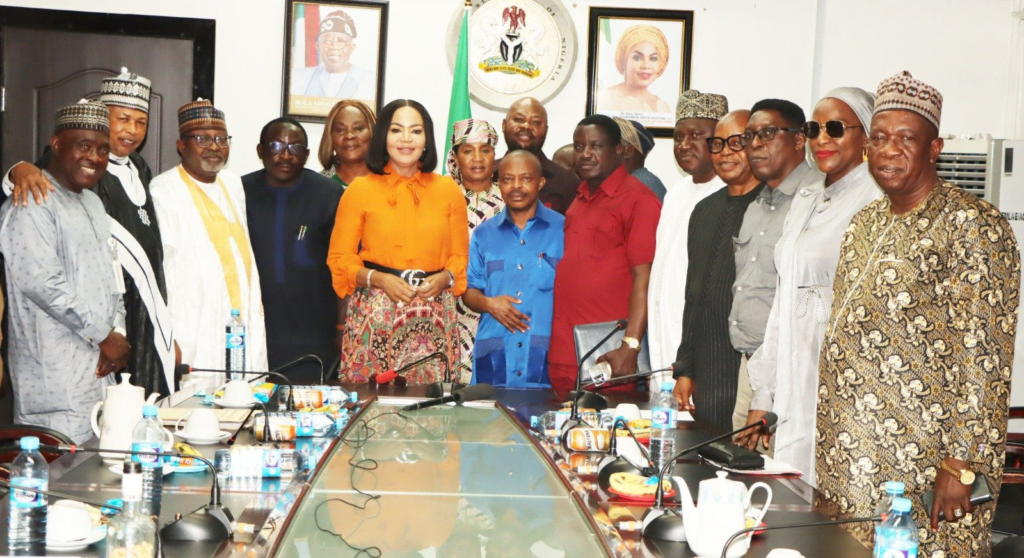
The ultimatum was issued by the Nigeria Labour Congress (NLC) and the Trade Union Congress (TUC) after a meeting of their joint National Executive Council, where labour leaders reviewed the implementation of agreements reached with the Federal Government following the removal of petrol subsidy.
According to labour leaders, the government has yet to fully meet its commitment regarding the temporary wage award introduced to cushion the effects of rising living costs pending the implementation of a new national minimum wage.
The development means Federal Government wage award ultimatum has become the latest flashpoint in labour-government relations as workers demand the fulfilment of outstanding financial obligations.
Why Labour Issued the Ultimatum
The wage award was introduced in 2023 as a temporary relief package for federal workers following the removal of fuel subsidy and the sharp increase in the cost of living.
Government approved a monthly payment of ₦35,000 for federal public servants pending negotiations on a new national minimum wage.
Although several instalments were paid, labour unions argue that outstanding payments remain unpaid despite repeated engagements with government officials.
The latest Federal Government wage award ultimatum reflects growing frustration among workers who insist that agreements reached through collective bargaining must be honoured.
Labour leaders argue that delayed implementation undermines trust between workers and government.
NLC and TUC Demand Full Compliance
Officials of the Nigeria Labour Congress and the Trade Union Congress said the August 11 deadline should be treated as an opportunity for government to resolve the dispute without further escalation.
The unions stressed that they remain committed to dialogue but insisted that patience among workers is gradually diminishing.
Labour leaders argued that wage agreements should not depend on political convenience.
The continued Federal Government wage award ultimatum is therefore intended to secure compliance with existing commitments rather than initiate fresh negotiations.
The unions also emphasised that the welfare of workers remains central to national productivity and public service delivery.
Rising Cost of Living Intensifies Pressure
Nigeria continues to experience elevated inflation, increasing food prices and rising transportation costs.
These economic pressures have significantly reduced the purchasing power of many workers.
Labour leaders argue that the temporary wage award was introduced specifically to ease those difficulties.
Failure to complete the payments, they contend, further weakens workers already struggling with rising living expenses.
The Federal Government wage award ultimatum therefore reflects broader concerns about the impact of inflation on household incomes.
Many workers argue that delays in payment have diminished the intended relief.
Government Yet to Respond Fully
Federal Government officials have previously acknowledged the existence of outstanding labour concerns while expressing commitment to continued dialogue.
However, at the time of the labour announcement, no comprehensive official response addressing the August 11 deadline had been released.
Government representatives are expected to continue discussions with organised labour before the ultimatum expires.
The outcome of those engagements will likely determine whether the Federal Government wage award ultimatum leads to further negotiations or industrial action.
Observers believe both parties have incentives to avoid nationwide disruption.
https://ogelenews.ng/labour-gives-federal-government-august-11-deadline-…
Industrial Action Remains Possible
Labour leaders indicated that failure to resolve the issue could result in nationwide industrial action.
However, they stopped short of immediately declaring a strike.
Under Nigerian labour practice, strike action is typically preceded by consultations with affiliate unions and formal mobilisation procedures.
Consequently, the Federal Government wage award ultimatum should not be interpreted as an automatic declaration of industrial action.
Instead, it represents a deadline intended to encourage government compliance before stronger measures are considered.
Wage Disputes Affect Public Services
Disagreements over salaries and welfare frequently affect essential public services including education, healthcare, transportation and public administration.
Industrial disputes often disrupt economic activity while creating additional hardship for citizens.
Both government and organised labour therefore face pressure to resolve disagreements through dialogue whenever possible.
The Federal Government wage award ultimatum highlights the importance of honouring negotiated agreements to preserve industrial harmony.
Consistent implementation of labour agreements also strengthens confidence in future negotiations.
Collective Bargaining Must Be Respected
Labour experts emphasise that successful industrial relations depend on mutual trust.
When agreements are implemented promptly, negotiations become more constructive and disputes less frequent.
Conversely, repeated delays may encourage stronger industrial resistance.
The current Federal Government wage award ultimatum demonstrates how unresolved financial commitments can undermine confidence in collective bargaining.
Both parties therefore share responsibility for maintaining effective communication throughout the negotiation process.
Economic Implications
The dispute also carries broader economic implications.
Government must balance workers’ welfare with fiscal sustainability, while labour organisations seek adequate protection for employees facing rising living costs.
Economic analysts argue that predictable implementation of wage agreements contributes to labour stability and improved productivity.
The resolution of the Federal Government wage award ultimatum could therefore influence confidence in future wage negotiations across both public and private sectors.
A negotiated settlement would also reduce uncertainty for millions of workers.
Ogele News Perspective
The latest labour ultimatum highlights the continuing challenge of balancing fiscal realities with workers’ welfare.
The wage award was introduced as temporary relief during an exceptionally difficult economic period.
If outstanding payments remain unpaid, government should provide clear explanations and realistic implementation timelines.
Equally, organised labour should continue prioritising dialogue before resorting to industrial action.
Sustained engagement has historically produced more durable solutions than prolonged confrontation.
The Federal Government wage award ultimatum should therefore be viewed as an opportunity for renewed negotiations rather than an inevitable path toward nationwide strikes.
Government credibility depends on implementing agreements reached through collective bargaining.
Workers, on the other hand, deserve transparent communication regarding payment schedules and fiscal constraints.
A timely resolution would strengthen industrial relations while reducing uncertainty across the public service.
Ultimately, both parties share a common responsibility to protect workers’ welfare without disrupting essential public services that millions of Nigerians depend upon daily.