













Gallery Security operation
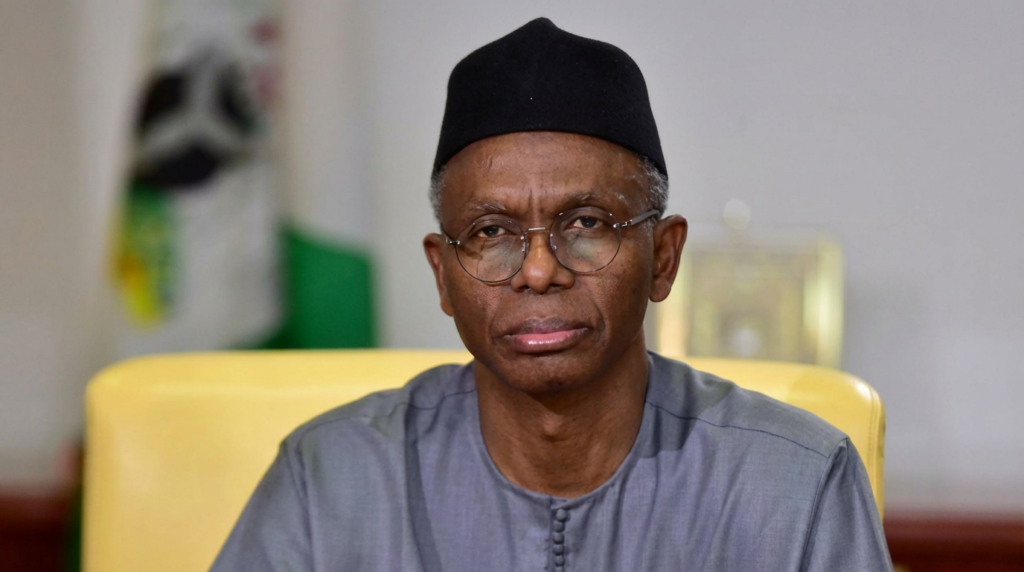
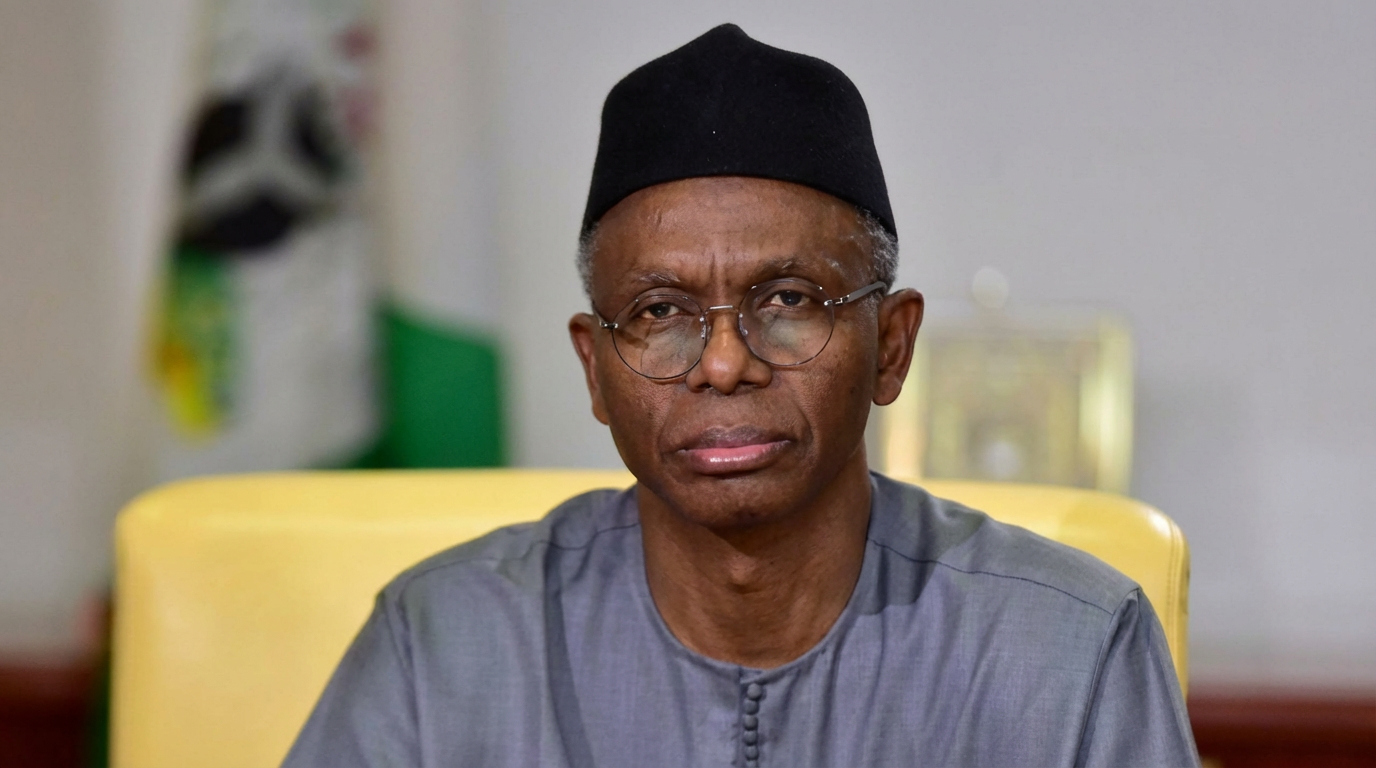
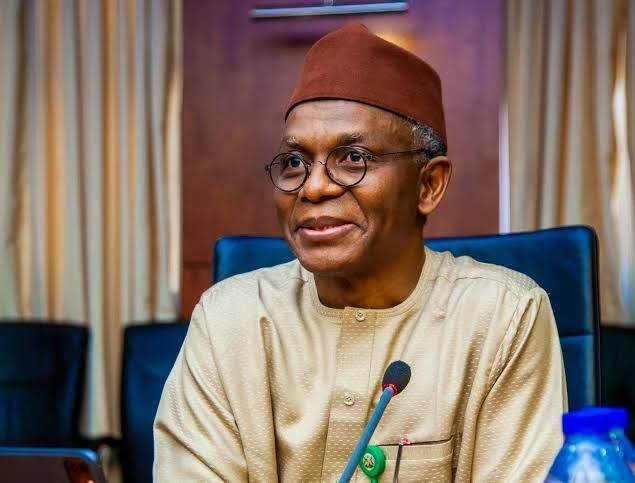
ABUJA — Former Kaduna State Governor, Nasir El-Rufai, is preparing to challenge the continuation of his alleged wiretapping trial after the Department of State Services closed its case before the Federal High Court in Abuja.
The development came after the prosecution called only two witnesses in the matter, prompting the defence team to indicate its intention to file a no-case submission. The move means El-Rufai’s lawyers will ask the court to hold that the prosecution has not established enough evidence to require the former governor to enter his defence.
The El-Rufai wiretapping trial has drawn national attention because of the personalities involved, the nature of the allegation, and the wider political atmosphere surrounding the former governor. The DSS is prosecuting El-Rufai on an amended five-count charge bordering on alleged unlawful interception of communications and breach of national security.
At the resumed hearing, prosecuting counsel, Oluwole Aladedoye, informed the court that the DSS would not call further witnesses. With that announcement, the prosecution formally closed its case against the former Kaduna governor.
Responding, El-Rufai’s counsel, Paul Erokoro, SAN, told the court that the defence intended to file a no-case submission. He argued that the evidence led by the prosecution was not sufficient to compel his client to open a defence.
In criminal procedure, a no-case submission is usually made after the prosecution closes its case. It is a request asking the court to discharge the defendant on the ground that no prima facie case has been established. If the court agrees, the defendant will not be required to defend the charge. If the court disagrees, the defendant will be called upon to enter his defence.
That is now the central issue in the El-Rufai wiretapping trial.
The defence requested two weeks to file the application, while the prosecution also asked for time to respond. The court consequently adjourned the matter to September 22, 2026, for further proceedings.
https://ogelenews.ng/el-rufai-wiretapping-trial
The case is rooted in allegations that El-Rufai made claims during a live television interview that he had intercepted a telephone conversation involving the National Security Adviser, Nuhu Ribadu. The DSS alleged that the statement raised issues under the Cybercrimes framework and national security laws.
The former governor has not been convicted of any offence. At this stage, the matter remains a pending criminal trial, and the court has not yet determined whether the charge should proceed to the defence stage.
The El-Rufai wiretapping trial also featured an application touching on the bail conditions earlier granted to him. His lawyers argued that some of the conditions were difficult to meet, particularly those requiring sureties of a certain public service rank and property location. The defence asked the court to vary the conditions.
The prosecution opposed the request, insisting that the bail conditions were capable of being met and should not be altered. The court declined to vary the bail terms, meaning the original conditions remain in force.
This refusal has added another layer to the proceedings. While the no-case submission will determine whether the charge survives at this stage, the bail ruling affects El-Rufai’s immediate legal position pending the next hearing.
For the DSS, closing its case after two witnesses suggests the agency believes it has placed enough material before the court to support the charge. For the defence, however, the decision to file a no-case submission shows confidence that the prosecution has not crossed the legal threshold required in a criminal trial.
The El-Rufai wiretapping trial now turns on a narrow but important legal question: did the prosecution present sufficient evidence to establish a prima facie case?
That question is not about whether El-Rufai is guilty or not guilty. It is about whether the prosecution has shown enough for the court to call on him to explain himself. This distinction is important for public understanding of the case.
Politically, the trial comes at a sensitive time for El-Rufai, who remains one of Nigeria’s most prominent political figures. A former Minister of the Federal Capital Territory and two-term governor of Kaduna State, he has continued to attract attention even after leaving office in 2023.
The El-Rufai wiretapping trial has therefore become more than a courtroom matter. It is being watched by political actors, legal observers, civil society groups and citizens interested in the boundaries between national security enforcement and political speech.
Still, the case must be judged by evidence, not political noise. The prosecution has had its opportunity to present witnesses. The defence will now ask the court to stop the case without calling El-Rufai to testify. The judge will decide whether the matter ends at this stage or proceeds to full defence.
For now, the facts are clear. DSS has closed its case. El-Rufai’s lawyers are filing a no-case submission. The bail conditions remain unchanged. The Federal High Court will return to the matter on September 22, 2026.
Until the court rules, the El-Rufai wiretapping trial remains alive, but its next phase may determine whether the case continues or collapses before the defence is opened.