















INEC seeks better funding, staff welfare ahead of 2027 election
The Independent National Electoral Commission has called for increased and sustained funding, improved staff welfare and greater investment in electoral infrastructure as preparations gather momentum for Nigeria’s 2027 general elections.
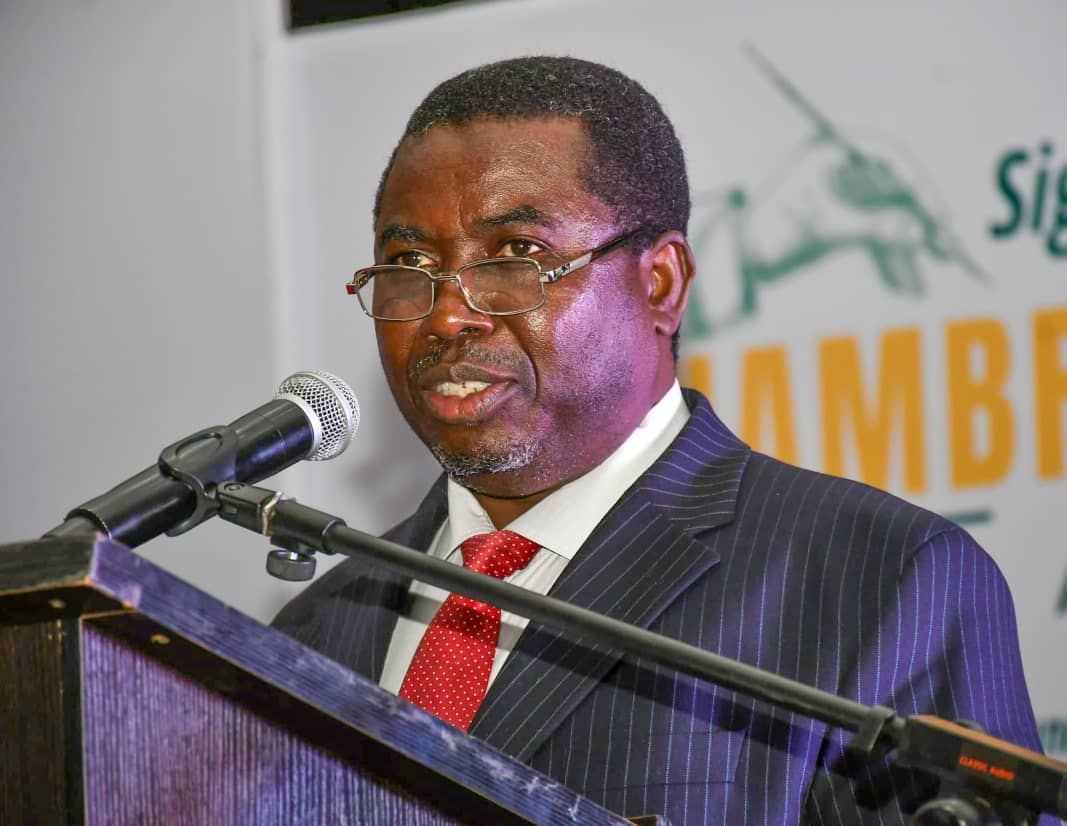
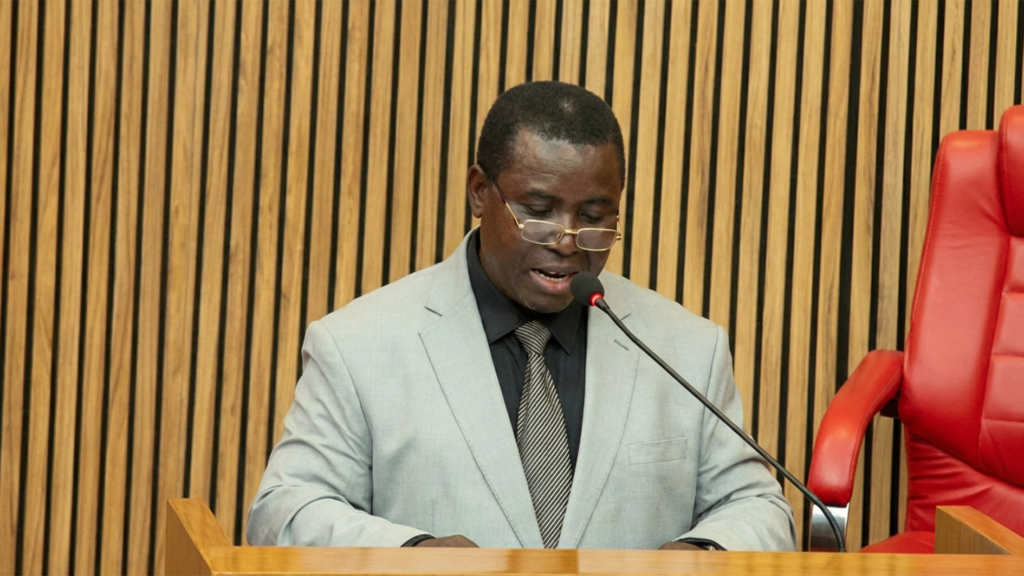
INEC Chairman, Prof. Joash Amupitan, SAN, made the appeal during a courtesy visit to the Chairman of the Revenue Mobilisation Allocation and Fiscal Commission, Dr Mohammed Bello Shehu, in Abuja.
Amupitan said the engagement was intended to strengthen cooperation between both federal institutions and draw attention to the financial and personnel demands associated with organising credible elections across Nigeria.
According to a statement signed by INEC’s Director of Voter Education and Publicity, Victoria Etta-Messi, the electoral commission’s responsibilities extend beyond presidential, governorship and legislative elections. They also include continuous voter registration, political party registration, constituency activities and other pre-election and post-election obligations.
The development that INEC seeks better funding, staff welfare ahead of 2027 elections has renewed debate about the resources required to conduct credible polls and the level of accountability expected from the commission.
INEC explains growing cost of elections
Amupitan told RMAFC that the cost of conducting elections has continued to rise because of the size of Nigeria’s electorate, geographical spread, security requirements, logistics and technological needs.
INEC maintains permanent offices in the 36 states, the Federal Capital Territory and all 774 local government areas. The Federal Government bears the cost of operating this nationwide structure.
The chairman said governorship elections alone could cost more than the combined presidential and National Assembly elections because they require deployments across several polling units while concentrating personnel, security and logistics within individual states.
The commission must also finance activities before and after voting, including political party monitoring, candidate nomination processes, voter education, legal representation and election petitions arising from party primaries.
The appeal that INEC seeks better funding, staff welfare ahead of 2027 elections therefore covers more than the procurement of ballot papers or election-day materials. It involves maintaining an electoral institution capable of functioning throughout the year.
Staff migration creates skills gap
One of the strongest concerns raised by the INEC chairman was the loss of experienced officials through migration.
Amupitan warned that inadequate remuneration had contributed to the departure of skilled employees and could create a wider institutional gap as senior personnel approach retirement
https://ogelenews.ng/inec-seeks-better-funding
He said improved welfare would strengthen morale, encourage experienced workers to remain in service and preserve the institutional knowledge required to manage increasingly complex elections.
Election administration requires specialised skills in information technology, logistics, law, procurement, cybersecurity, voter education and data management. Losing trained personnel shortly before a major election can weaken planning and force the commission to rely heavily on newly recruited or temporary workers.
The statement that INEC seeks better funding, staff welfare ahead of 2027 elections therefore reflects a concern that electoral technology is only as effective as the people operating and protecting it.
Technology and infrastructure require investment
INEC has increasingly relied on technology for voter registration, candidate submissions, biometric accreditation and the management of election results.
Such systems require secure servers, reliable connectivity, trained technical teams, backup infrastructure and protection against cyberattacks.
Amupitan called for increased investment in technology, training and physical infrastructure, describing them as essential to improving efficiency and protecting institutional knowledge.
The commission recently expanded its digital voter-registration services and extended the Continuous Voter Registration exercise to give more eligible Nigerians an opportunity to join the register ahead of future elections.
However, investment in election technology must be accompanied by independent testing, clear procedures and transparent communication. Public confidence can weaken when equipment fails, results are delayed or officials provide conflicting explanations about electronic systems.
For this reason, the announcement that INEC seeks better funding, staff welfare ahead of 2027 elections must be considered alongside demands for stronger public accountability.
Election dates increase urgency
INEC has scheduled the presidential and National Assembly elections for January 16, 2027, while governorship and state Houses of Assembly elections are expected to hold on February 6, 2027.
These dates leave the commission with a limited period to complete voter registration, finalise the electoral register, procure materials, train personnel and coordinate security arrangements.
Before the general elections, INEC must also conduct the Osun State governorship election on August 15, 2026. Amupitan said the Osun poll and other off-cycle elections would help the commission refine its processes before the national exercise.
The fact that INEC seeks better funding, staff welfare ahead of 2027 elections is therefore closely connected to a demanding electoral calendar rather than a single voting exercise.
Every off-cycle election requires fresh logistics, personnel deployment, security coordination and technical support. Delayed funding can affect procurement timelines and force election officials to operate under unnecessary pressure.
RMAFC promises collaboration
Responding to the commission’s appeal, RMAFC Chairman Mohammed Bello Shehu acknowledged the scale of INEC’s constitutional duties and promised continued collaboration.
Shehu commended the electoral commission for sustaining the conduct of elections since Nigeria’s return to democratic rule in 1999. He also pledged RMAFC’s support for efforts aimed at delivering credible elections in 2027.
RMAFC advises governments on revenue allocation and remuneration matters involving public office holders and institutions. Its engagement with INEC could contribute to discussions around personnel welfare and the financial requirements of election administration.
However, the final approval of election funding remains subject to statutory budgeting, legislative scrutiny and federal financial procedures.
The report that INEC seeks better funding, staff welfare ahead of 2027 elections should therefore not be interpreted as confirmation that every request will automatically be approved.
Credible elections require early funding
Election experts have repeatedly argued that funding must be released early enough for effective planning.
Late releases can delay procurement, staff training, deployment and technical testing. They may also increase costs when the commission is forced to purchase materials or secure services under compressed deadlines.
Early funding gives INEC time to conduct open procurement, inspect equipment and address weaknesses before election day.
At the same time, the size of election budgets has generated public concern. Nigerians expect the commission to explain how funds are allocated and demonstrate that election expenditure produces improved outcomes.
The declaration that INEC seeks better funding, staff welfare ahead of 2027 elections must therefore be matched by transparent budgeting and regular public reporting.
Staff welfare and electoral integrity
INEC officials work under considerable pressure, particularly during election periods.
Permanent personnel coordinate thousands of temporary workers, supervise sensitive materials and manage politically charged operations. In some locations, they also face security risks and difficult travel conditions.
Adequate salaries, insurance, training and working conditions can reduce vulnerability to corruption and strengthen professional commitment.
Poorly paid or demoralised workers may be more exposed to pressure from political interests. Improving welfare is therefore not merely an employment issue. It is part of protecting the independence and integrity of the electoral process.
Still, better remuneration cannot replace discipline. INEC must continue investigating misconduct and sanctioning officials found to have violated electoral rules.
Nigerians expect measurable improvement
Public confidence in INEC will depend not only on how much money it receives but on the quality of the elections it conducts.
Voters expect polling units to open on time, equipment to function, officials to remain neutral and results to be managed transparently.
Political parties also expect equal treatment, while civil society organisations will demand access to observe critical stages of the process.
The request that INEC seeks better funding, staff welfare ahead of 2027 elections will gain stronger public support if the commission clearly connects its proposed expenditure to specific improvements.
For example, INEC should explain how much is needed for technology, logistics, training, security support and staff welfare. It should also publish timelines and measurable targets.
The road to 2027
Nigeria’s next general elections will test both the technical capacity and public credibility of the electoral commission.
Adequate funding can support better equipment, stronger logistics and more effective training. Improved welfare can help retain experienced officials and close the skills gap created by migration and retirement.
But money alone cannot guarantee credible elections. Institutional independence, legal compliance, transparent result management and firm resistance to political interference will remain equally important.
Ultimately, the fact that INEC seeks better funding, staff welfare ahead of 2027 elections highlights the scale of the work ahead. The commission must receive the resources needed to perform its constitutional duties while remaining fully accountable for how those resources are used.
The success of the 2027 elections will be measured not by the size of INEC’s budget but by whether Nigerians believe their votes were protected, counted and reflected honestly in the final results.