













House withdraws own state police bill
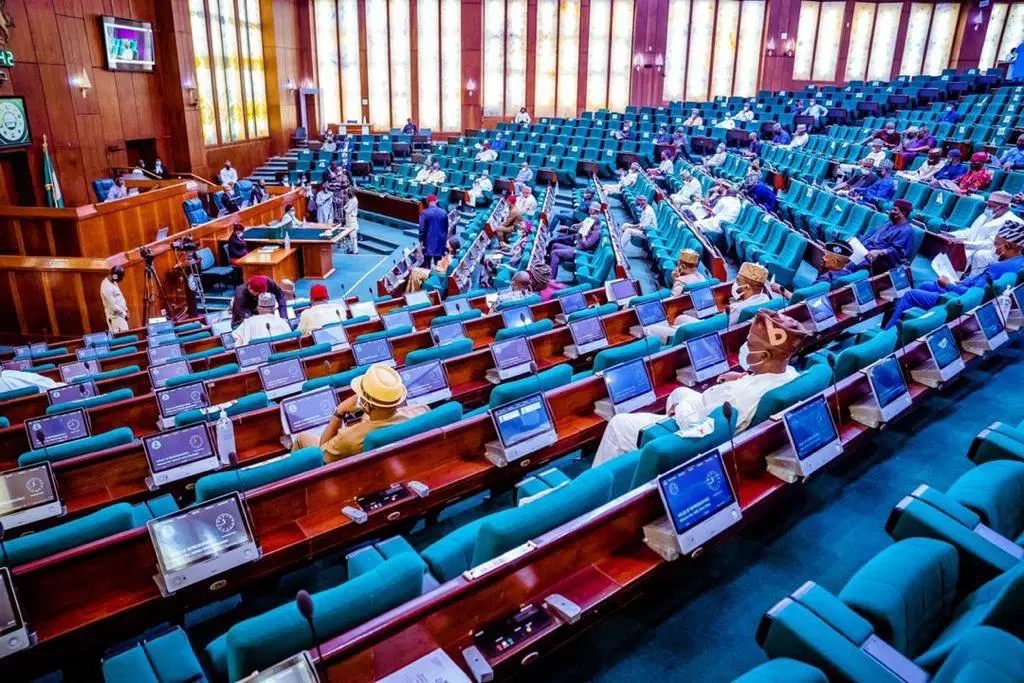
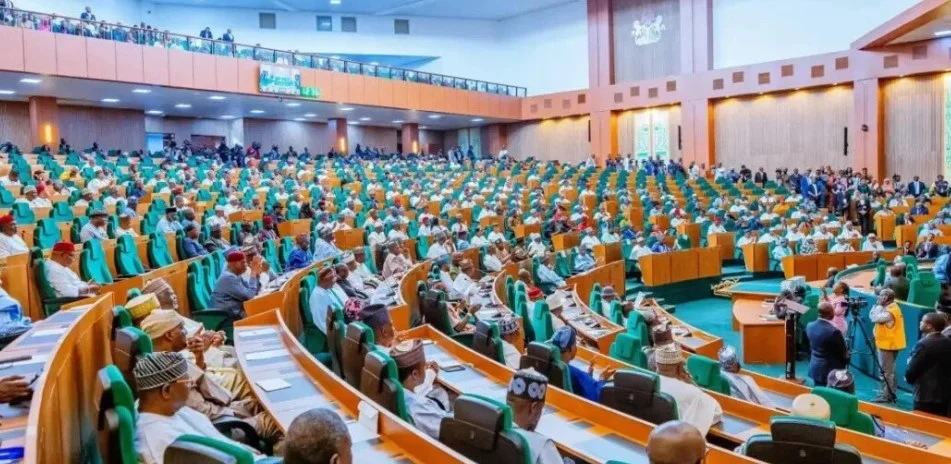
The House of Representatives has withdrawn its independently sponsored bill seeking to establish state police across Nigeria, opting instead to consider the Executive Bill transmitted by President Bola Ahmed Tinubu as part of the ongoing constitutional amendment process.
The decision was announced by the House Committee on Constitution Review during deliberations on constitutional reform, with lawmakers explaining that retaining multiple bills on the same subject could create duplication and delay legislative progress.
According to the committee, the Executive Bill submitted by President Tinubu will now serve as the principal framework for legislative consideration, while relevant provisions from other proposals may be incorporated during the harmonisation process. (punchng.com)
The BREAKING: House withdraws own state police bill, considers Tinubu’s proposal development marks a significant milestone in Nigeria’s long-running debate over restructuring the country’s policing system.
Lawmakers Seek Harmonised Constitutional Amendment
Explaining the decision, members of the Constitution Review Committee stated that withdrawing the House-sponsored bill would allow legislators to focus on a single comprehensive proposal capable of addressing constitutional, operational and administrative issues surrounding state policing.
The committee noted that the Executive Bill would undergo detailed scrutiny, public hearings and legislative debate before any final decision is taken.
Lawmakers emphasised that the withdrawal of the earlier bill should not be interpreted as abandoning the idea of state police but rather as an effort to streamline the legislative process.
The BREAKING: House withdraws own state police bill, considers Tinubu’s proposal decision reflects Parliament’s intention to avoid conflicting legislative provisions while accelerating constitutional reforms.
Tinubu’s Executive Bill Takes Centre Stage
President Tinubu’s proposal seeks constitutional amendments that would permit the creation of state-controlled police services while preserving coordination with existing federal security institutions.
Although the full details of the Executive Bill remain subject to parliamentary consideration, officials say the proposal is expected to outline issues relating to recruitment, funding, operational jurisdiction, oversight and accountability.
The bill is one of several constitutional reform proposals currently before the National Assembly.
The BREAKING: House withdraws own state police bill, considers Tinubu’s proposal announcement places the Presidency’s proposal at the centre of Nigeria’s ongoing security reform discussions.
Why State Police Has Become a National Issue
Calls for state police have intensified in recent years as Nigeria continues to confront insecurity, including terrorism, banditry, kidnapping, communal violence and organised crime.
Supporters argue that locally controlled police services would possess better knowledge of communities, improve intelligence gathering and enable faster responses to emerging security threats.
Many governors, traditional rulers and security experts have consistently advocated constitutional amendments allowing states to establish their own police organisations.
The BREAKING: House withdraws own state police bill, considers Tinubu’s proposal development therefore represents another important step in one of Nigeria’s most significant constitutional debates.
Concerns Raised by Opponents
Despite growing support, critics continue to express concerns about the possible misuse of state police by political officeholders.
Some constitutional scholars warn that without strong safeguards, governors could potentially influence state police for political purposes or interfere with electoral processes.
Others argue that financial limitations may prevent some states from maintaining professional police organisations.
Consequently, many experts insist that any constitutional amendment must include independent oversight, operational accountability and clear limits on state authority.
The BREAKING: House withdraws own state police bill, considers Tinubu’s proposal process is therefore expected to involve extensive consultations with stakeholders across the federation.
https://ogelenews.ng/house-withdraws-own-state-police-bill
Constitutional Amendment Process Continues
Under Nigeria’s Constitution, amendments require approval by both chambers of the National Assembly before receiving support from at least two-thirds of the State Houses of Assembly.
Any proposal creating state police would therefore need broad national consensus before becoming law.
Political observers expect public hearings to attract contributions from governors, security agencies, civil society organisations, legal experts and members of the public.
The BREAKING: House withdraws own state police bill, considers Tinubu’s proposal initiative remains at the legislative stage and has not yet altered Nigeria’s current policing structure.
Security Experts Welcome Legislative Progress
Several security analysts believe harmonising competing proposals could improve legislative efficiency while producing a more coherent constitutional framework.
They argue that security reforms require broad consultation because policing affects human rights, criminal justice, federalism and public administration.
Experts also stress that institutional safeguards must accompany any decentralisation of police powers.
The BREAKING: House withdraws own state police bill, considers Tinubu’s proposal development has therefore renewed national conversations about balancing improved security with constitutional accountability.
Looking Ahead
As constitutional review continues, lawmakers are expected to examine the Executive Bill alongside submissions from security professionals, constitutional experts and the Nigerian public.
The final outcome will determine whether Nigeria adopts one of its most significant security reforms since the return to democratic governance in 1999.
Until the constitutional amendment process is completed, policing in Nigeria remains under the existing constitutional framework.
The BREAKING: House withdraws own state police bill, considers Tinubu’s proposal decision nevertheless signals growing momentum behind efforts to reform Nigeria’s internal security architecture through constitutional means.