









Ibadan meeting
Fresh cracks have opened within Nigeria’s opposition camp after blocs within the Peoples Democratic Party, African Democratic Congress, Labour Party and Accord Party rejected the outcome of the Ibadan meeting, where some opposition leaders had pushed for a joint presidential ticket ahead of the 2027 general election.
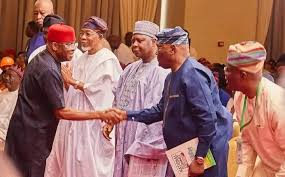
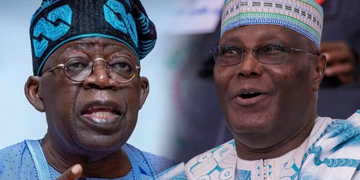
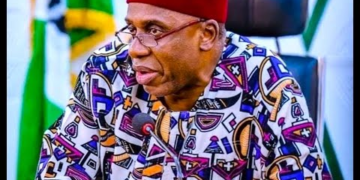
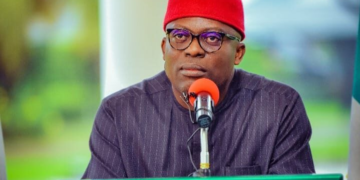
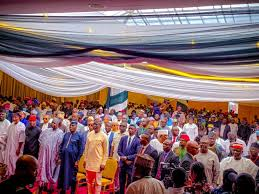
The Ibadan meeting, hosted in Oyo State, had brought together major opposition figures, including former Vice President Atiku Abubakar, Oyo State Governor Seyi Makinde, Peter Obi, Rabiu Kwankwaso, Rotimi Amaechi, Rauf Aregbesola, Aminu Tambuwal and other political actors. A communiqué issued after the summit reportedly proposed that opposition parties should work toward presenting a single presidential candidate to challenge the ruling All Progressives Congress in 2027.
But the move has now run into resistance from several blocs, who insist that the Ibadan meeting did not represent their official party positions.
According to reports, a PDP faction backed by the Minister of the Federal Capital Territory, Nyesom Wike, dismissed the summit as illegitimate. The faction said those who attended the Ibadan meeting in the name of the PDP were not authorised to represent the party. Its position is that the PDP has not entered into any formal alliance or negotiation with any opposition party over a joint presidential ticket.
https://ogelenews.ng/ibadan-meeting-pdp-adc-blocs-reject-joint-president…
The ADC also appeared divided over the matter. Reports said two ADC camps linked to the party’s 2023 presidential candidate, Dumebi Kachikwu, denied involvement in the Ibadan meeting and rejected the idea that the party had agreed to support a single opposition presidential candidate. One ADC bloc reportedly said the party would field its own candidates across elective offices in 2027.
The Labour Party also distanced itself from the summit. Its interim leadership said the party’s immediate concern was internal consolidation, not coalition talks. This is significant because the Labour Party remains one of the major opposition platforms after Peter Obi’s strong showing in the 2023 presidential election.
The Accord Party went further, warning of possible legal action over what it described as the unauthorised use of its name and symbol at the Ibadan meeting. The party said it had not approved any coalition arrangement with the PDP, ADC or any allied group.
The dispute has raised fresh doubts about whether Nigeria’s opposition can build a united front before 2027. While the idea of a single presidential candidate may appeal to those who believe opposition votes were split in previous elections, the reaction from party blocs shows that the road to a coalition remains complicated.
The Ibadan meeting also drew a sharp response from the APC. The ruling party criticised Governor Makinde over his reference to the historical “Operation Wetie” crisis and accused him of making inflammatory remarks. Reports say the APC dismissed the opposition summit as weak and politically unstable.
For now, the biggest takeaway from the Ibadan meeting is not unity, but disagreement. The summit was meant to project opposition strength, but the backlash has exposed unresolved leadership disputes, factional loyalties and competing ambitions within the parties expected to challenge the APC.
With the 2027 election cycle gradually taking shape, the opposition faces a difficult choice. It can either settle its internal disputes early and negotiate from a position of structure, or continue with loose alliances that may collapse under pressure.
The Ibadan meeting may have started as a call for unity, but its aftermath has shown that a joint presidential ticket will require more than public declarations. It will require recognised party authority, legal clarity, political trust and a candidate acceptable to powerful blocs across the opposition space.
For ordinary Nigerians watching the political drama, the issue is bigger than party names. The question is whether opposition parties can offer a serious alternative on the economy, insecurity, governance and cost of living, or whether internal divisions will once again weaken their chances before the contest begins.
As it stands, the Ibadan meeting has become a test case for the opposition. It shows that building a coalition is easy to announce, but difficult to enforce when the parties involved are still battling internal crises of their own.
https://punchng.com/ibadan-meeting-pdp-adc-blocs-reject-joint-presidential-ticket