















Jigawa boat mishap
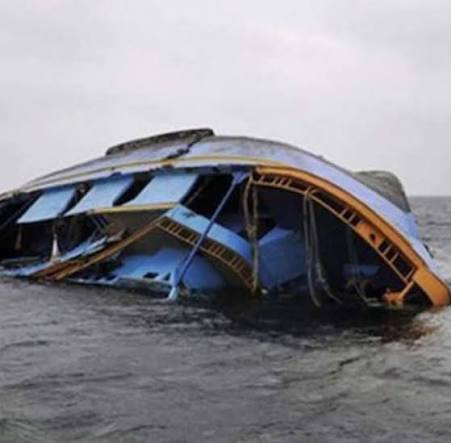
A tragic Jigawa boat mishap has claimed at least six lives, with rescue officials continuing frantic efforts to locate 34 passengers still missing after a canoe carrying dozens of people capsized in Ringim Local Government Area of Jigawa State.
The incident, which occurred on Sunday evening in Malamawa village, has thrown families into mourning and renewed concerns over the recurring loss of lives on Nigeria’s inland waterways, where overcrowding, poor safety compliance and the absence of life jackets continue to contribute to fatal accidents.
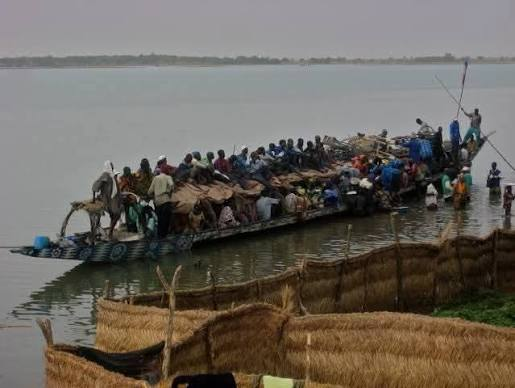
According to the Jigawa State Government, the ill-fated canoe was carrying about 40 passengers when it overturned while crossing a river in the farming community. Many of those on board were reportedly farmers and agricultural labourers returning from their farmlands after the day’s activities.
The Commissioner for Special Duties, Auwal Sankara, confirmed that six bodies had been recovered while 15 passengers were rescued alive. He added that emergency teams from the Jigawa State Emergency Management Agency (SEMA), local divers and community volunteers were working around the clock to locate everyone still unaccounted for.
“The rescue mission will continue until every victim has been accounted for,” the commissioner said, assuring affected families that the government had mobilised all available resources for the operation.
The Jigawa boat mishap has once again highlighted the dangers faced by residents of riverine communities where canoes remain the primary means of transportation for farming, fishing and commercial activities.
https://ogelenews.ng/jigawa-boat-mishap-six-dead-34-missing
Eyewitnesses said the canoe appeared to be carrying more passengers than its safe capacity, raising fresh questions about compliance with water transport safety regulations. Authorities have yet to release a final investigation report establishing the exact cause of the accident.
Emergency responders have continued combing the river in the hope of finding additional survivors, although the chances of rescue diminish as more time passes.
The Jigawa boat mishap is the latest in a series of deadly water transport disasters recorded across Nigeria in recent years. Every rainy season, communities that depend on rivers for transportation witness accidents linked to overloaded boats, flooding, poor weather conditions and inadequate safety measures.
Experts say many rural waterways operate with little regulatory oversight, allowing passengers to board overcrowded vessels without life jackets or proper inspection of the boats.
Nigeria has witnessed several similar tragedies across states including Niger, Kebbi, Kwara, Kogi and Jigawa, where boat accidents have claimed hundreds of lives over the years. Safety advocates argue that stronger enforcement of maritime regulations and greater investment in rural transport infrastructure are urgently needed.
The Jigawa boat mishap has also renewed calls for stricter monitoring of commercial canoe operators. Maritime safety experts recommend mandatory use of life jackets, regular inspection of wooden boats, proper passenger manifests and public awareness campaigns to discourage overloading.
Community leaders in Ringim have appealed to both the federal and state governments to provide safer transportation alternatives, noting that many residents have no practical option other than crossing rivers daily for farming and trading.
Residents described emotional scenes as relatives gathered along the riverbank waiting for news of missing family members. Local volunteers joined emergency workers in searching the water, while grieving families prayed for the safe return of their loved ones.
Officials said psychological and humanitarian support would be provided to affected families as rescue operations continue.
The Jigawa boat mishap has drawn sympathy from across Nigeria, with many citizens expressing condolences to the bereaved families and urging authorities to take stronger preventive measures.
Disaster management specialists argue that while emergency response is essential, prevention remains the most effective strategy. They stress that regular public education on water safety, enforcement of passenger limits and compulsory life jacket usage could significantly reduce fatalities.
The National Inland Waterways Authority (NIWA) has repeatedly advised boat operators to avoid overloading vessels, obey weather warnings and ensure passengers wear approved life jackets before embarking on any journey. These safety recommendations have become even more relevant as communities experience increased river traffic during the rainy season.
As search operations continue, officials have urged the public to rely only on verified information, noting that casualty figures may change as more victims are located. Rescue teams remain on the ground, supported by local divers and emergency personnel determined to account for everyone involved in the incident.
For now, the Jigawa boat mishap stands as another painful reminder of the urgent need to improve water transportation safety across Nigeria. Beyond the immediate rescue effort, the tragedy is expected to intensify calls for better regulation, investment in safer boats, stronger enforcement of maritime safety standards and sustained public education aimed at preventing future disasters.
With dozens of families still awaiting news of missing relatives, hope remains that more survivors may yet be found, even as the nation mourns those who have already lost their lives.
https://jigawastate.gov.ng/?utm_source=chatgpt.com