












Lagos to sustain crackdown on illegal structures
The Lagos State Government has vowed to continue removing shanties, makeshift buildings and other unauthorised structures along the Lagos-Badagry Expressway as part of a wider campaign to restore order and protect public infrastructure.
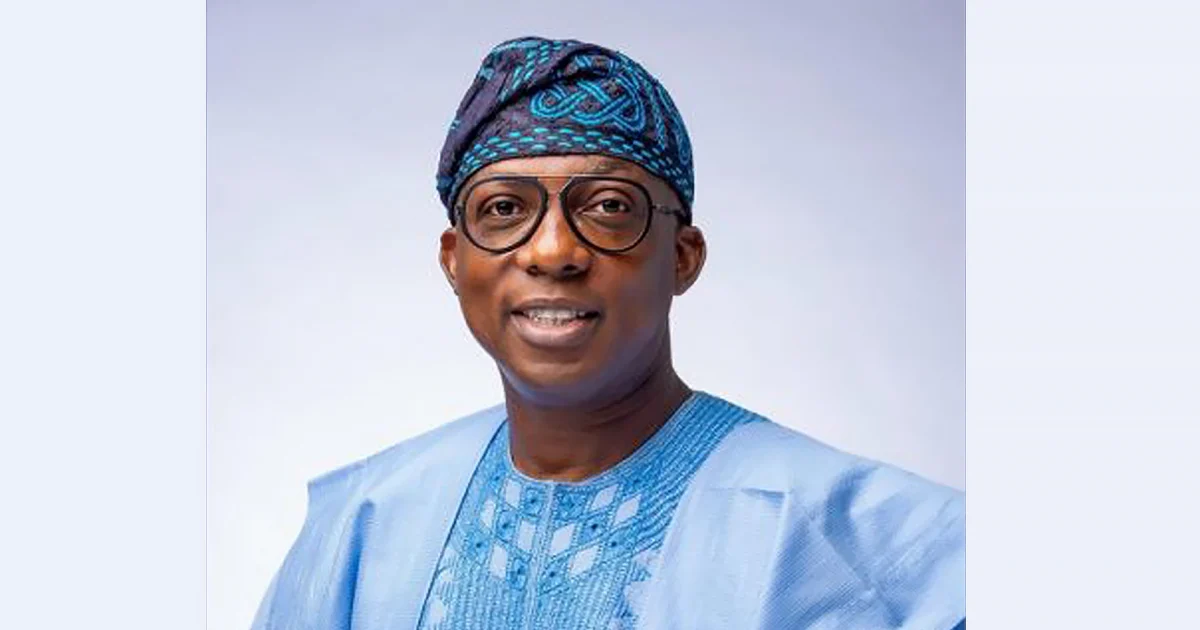
Commissioner for the Environment and Water Resources, Tokunbo Wahab, said the clearance operation would not end with demolition. According to him, enforcement officials will maintain surveillance and monitor cleared locations to prevent traders, squatters and other occupants from returning.
The government said the exercise had continued for about three weeks and was targeting structures considered environmental nuisances or unlawful encroachments on public spaces. Wahab warned that anyone who returned to occupy the reclaimed areas could be arrested and prosecuted under existing Lagos State laws.
The declaration that Lagos to sustain crackdown on illegal structures along Badagry Expressway comes after repeated government warnings about the conversion of road medians, setbacks, drainage corridors and other publicly owned spaces into markets, workshops and settlements.
Enforcement to continue after demolition
Wahab said the current operation was designed not merely as a temporary clearance exercise but as a long-term enforcement programme.
He explained that continuous monitoring would follow the demolition to ensure that environmental order was restored and maintained throughout the corridor. Residents and traders were also asked to stop converting public land into informal markets or using it for private commercial activities without approval.
The commissioner said the state would apply sanctions against those who ignored the directive.
The decision by Lagos to sustain crackdown on illegal structures along Badagry Expressway therefore signals a shift from periodic demolition towards permanent enforcement, with officials expected to patrol locations where structures have already been removed.
That distinction is important. Previous clearance exercises in Lagos have sometimes been followed by the return of informal traders and makeshift structures after enforcement teams left. The government now says surveillance will continue to prevent a repeat of that cycle.
Sanwo-Olu ordered clearance from Orile to Okokomaiko
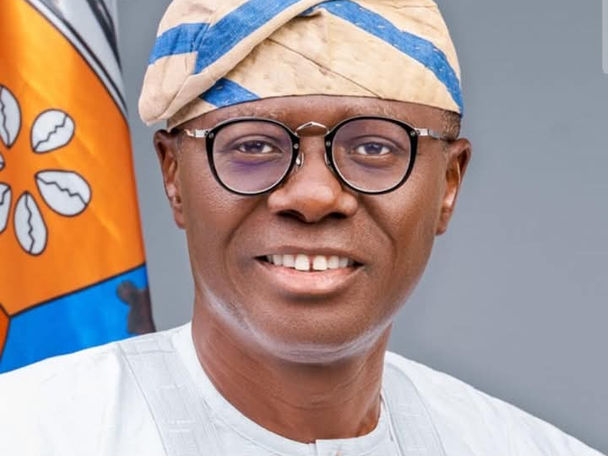
The latest phase of the operation followed a directive from Governor Babajide Sanwo-Olu, who warned occupants of the expressway median before the large-scale clearance began.
The governor said the exercise would cover the stretch from Orile Iganmu to Okokomaiko. He described the occupation of the median as an abuse of public infrastructure and a threat to the continued development of the highway.
Sanwo-Olu maintained that the median was not designed as a marketplace, residential settlement or location for unauthorised structures. He said public funds had been committed to developing the corridor and that the government had a responsibility to protect the investment.
The plan by Lagos to sustain crackdown on illegal structures along Badagry Expressway is therefore connected to broader transport, sanitation and urban renewal objectives.
The Lagos-Badagry Expressway is a major gateway linking central Lagos with communities in the western part of the state and the international border towards the Republic of Benin. Illegal occupation, unregulated trading and waste accumulation along the corridor can worsen congestion and complicate ongoing infrastructure projects.
Median reserved for rail infrastructure
During an earlier inspection, Wahab said the unusually wide median along parts of the expressway had been reserved for a proposed rail line and must remain free of private structures.
He said traders and businesses operating along the road should maintain the legally required setbacks and avoid taking over the median. The commissioner added that the government had previously engaged some occupants and asked them to move back before the latest enforcement action.
This infrastructure consideration strengthens the government’s argument that Lagos to sustain crackdown on illegal structures along Badagry Expressway is not solely about appearance or beautification. Encroachment could obstruct planned transport projects and increase the eventual cost of clearing the right of way.
However, urban planning specialists often argue that enforcement must be accompanied by clear documentation, adequate notice and transparent identification of approved boundaries. These safeguards help prevent disputes over whether affected properties were genuinely illegal or merely caught within a changing development plan.
Waste disposal and flooding concerns
The Lagos Government has also linked the clearance operation to environmental sanitation and flood prevention.
Officials said some traders and residents had been dumping refuse on the median, roadsides and around drainage channels. Wahab urged residents to use authorised Private Sector Participation waste operators and report failures in waste collection to the Lagos Waste Management Authority.
Lagos has experienced episodes of flash flooding following intense rainfall. The government has repeatedly warned that waste dumped in drains and waterways can prevent stormwater from flowing freely.
Wahab has also explained that the state’s coastal location contributes to temporary flooding when heavy rainfall coincides with high sea levels, restricting the discharge of stormwater into lagoons and the Atlantic Ocean. He nevertheless stressed that residents should not worsen the problem through indiscriminate waste disposal or illegal development around drainage corridors.
The announcement that Lagos to sustain crackdown on illegal structures along Badagry Expressway is consequently part of a wider environmental policy involving drainage maintenance, waste collection and regulation of land use.
https://ogelenews.ng/lagos-to-sustain-crackdown
Government threatens prosecution
Wahab said the government had prosecuted more than 1,000 people for various environmental violations within the previous year and would continue attaching consequences to breaches of the law.
The commissioner’s warning suggests that future enforcement may involve more than the removal of structures. Traders or occupants who return to cleared locations could face arrest, prosecution or confiscation of goods.
The pledge by Lagos to sustain crackdown on illegal structures along Badagry Expressway therefore carries significant consequences for informal businesses operating along the corridor.
The government has a legal and administrative responsibility to keep highways, medians, drainage channels and transport corridors free from dangerous encroachment. Yet enforcement authorities must also ensure that operations are properly documented and conducted without excessive destruction of personal property.
Human impact cannot be ignored
Behind every demolished stall or makeshift structure may be a family whose income depends on daily trading.
Lagos faces a persistent shortage of affordable shops, organised markets and low-cost housing. These conditions have encouraged many residents to occupy road setbacks and other available spaces, even when such occupation is unlawful.
That reality does not make unsafe structures legal, but it means enforcement alone is unlikely to solve the problem permanently.
For the policy of Lagos to sustain crackdown on illegal structures along Badagry Expressway to achieve lasting results, the government may need to combine demolition with access to designated trading areas, affordable markets and better public information.
Where relocation is possible, affected traders should be directed to approved locations. Clear notices should also state the exact offence, relevant law and deadline for compliance.
Without such measures, removed occupants may simply relocate to another roadside, drainage setback or public space, transferring rather than solving the problem.
Protecting public infrastructure
Road medians and setbacks perform important safety and engineering functions. They provide separation between traffic lanes, preserve visibility, accommodate utilities and allow space for future expansion.
Allowing permanent structures on such land can increase accident risks, obstruct emergency access and make road maintenance more difficult.
The Lagos-Badagry corridor also supports major commercial and cross-border traffic. Keeping it orderly could improve movement, reduce travel delays and protect infrastructure built with taxpayers’ money.
The decision by Lagos to sustain crackdown on illegal structures along Badagry Expressway should therefore be judged by whether it produces a safer and cleaner corridor without sacrificing fairness, transparency or lawful procedure.
What happens next
Enforcement teams are expected to continue monitoring the expressway after the initial clearance phase.
The government has asked residents, traders and property owners to respect road setbacks and avoid unauthorised use of public spaces. It has also encouraged residents to use approved waste collection services and report areas where operators are failing to evacuate refuse.
The success of the exercise will depend on consistency. If surveillance ends after public attention fades, illegal structures could gradually return. If enforcement remains selective, questions about fairness may also arise.
For now, the declaration that Lagos to sustain crackdown on illegal structures along Badagry Expressway represents a firm warning that the state intends to defend reclaimed public land.
The larger test will be whether Lagos can combine strict urban regulation with humane planning, accessible markets and clear alternatives for low-income residents who depend on the informal economy.