















state police
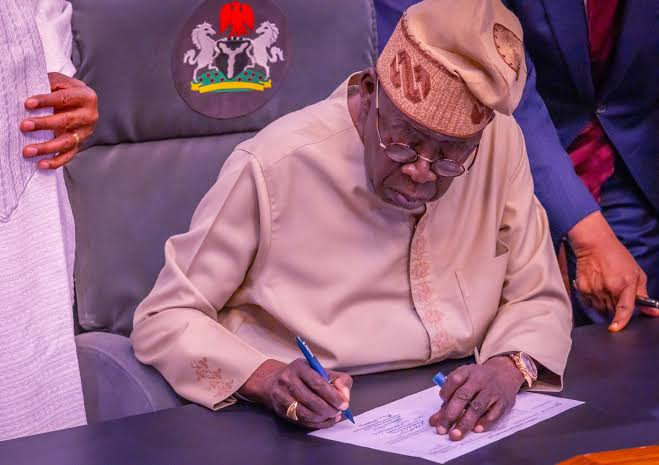
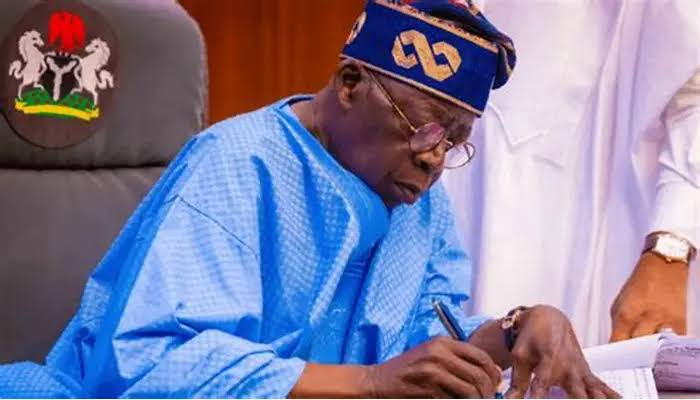
President Bola Tinubu has taken a major step toward the creation of state police in Nigeria by inaugurating a Presidential Working Group on the National Policing Bill, with his Chief of Staff, Femi Gbajabiamila, named as chairman of the committee.
The committee was inaugurated at the Presidential Villa, Abuja, on Tuesday, July 7, 2026. Tinubu was represented at the event by Gbajabiamila, who will now lead the group tasked with preparing the legal framework for the proposed state police system.
The move follows the passage of the Constitution Alteration (State Police) Bill, 2026, which proposes a dual policing structure made up of the Federal Police Service and 36 State Police Services. But Tinubu said the constitutional amendment only creates the framework. According to him, the National Policing Bill is needed to operationalise the reform.
That distinction is important. State police has been debated in Nigeria for decades, but the latest step shows that the Tinubu administration is now moving from political argument to legal design.
Members of the working group include the Attorney-General of the Federation and Minister of Justice, Lateef Fagbemi, SAN; the President of the Nigerian Bar Association; the Chairman of the Nigeria Governors’ Forum; the National Security Adviser; the Inspector-General of Police; and the Chairman of the NGF Committee on State Police. A secretariat will support the committee’s work.
Tinubu said the committee would produce an implementation-ready draft National Policing Bill for transmission to the National Assembly once the constitutional amendment process is concluded. He also said the bill would address minimum policing standards, state readiness certification, federal-state coordination, accountability, human rights safeguards and fiscal conditions.
These details matter because state police is not simply about allowing governors to recruit armed security personnel. It requires a legal framework that answers difficult questions. Who controls the officers? Who pays them? What happens when a state abuses its force? How will federal and state police share intelligence? What standards must states meet before they can operate their own police service?
Those questions have always been at the heart of the state police debate.
https://ogelenews.ng/state-police-tinubu-names-gbajabiamila-agf-to-imple…
Supporters argue that Nigeria is too large and too insecure to be policed effectively from Abuja alone. They say governors already carry the constitutional burden of protecting their people but do not control the police commands in their states. In their view, state police will bring security closer to communities, improve response time and help tackle kidnapping, banditry, armed robbery and rural violence.
Governor Dapo Abiodun of Ogun State, speaking on behalf of the Nigeria Governors’ Forum, pledged the support of governors for the reform. He said the proposal answers long-standing public demands for community-based policing and could significantly increase the number of security personnel in the country. He noted that if each state deploys about 6,000 personnel, nearly 200,000 officers could be added nationwide to support the existing federal police structure.
That argument is powerful in a country where many communities complain that federal police formations are overstretched, underfunded and slow to respond. In several states, regional and local security outfits already exist, including Amotekun in the South-West. These outfits emerged because states felt the national police system was not enough to deal with local threats.
But state police also comes with risks. Critics fear that some governors may turn state police into political weapons against opponents, journalists, activists and rival communities. Others worry that poorer states may struggle to fund their police services, creating uneven security capacity across the federation.
This is why the proposed National Policing Bill will be crucial. If properly drafted, it can build safeguards against abuse. If poorly drafted, it could create another layer of insecurity and political intimidation.
The presence of the AGF, the NBA President, the IGP, the NSA and governors’ representatives on the committee suggests that the government understands the sensitivity of the assignment. The bill must balance local security needs with constitutional rights, federal oversight and democratic accountability.
Fagbemi described the initiative as timely given Nigeria’s security challenges and urged governors to support speedy ratification of the constitutional amendment by state assemblies. That is another key step. Even after passage by the National Assembly, constitutional alteration requires approval by the states before it can take effect.
The road to state police is therefore not complete. The committee can draft the enabling law, but the constitutional amendment process must still be concluded. State Houses of Assembly will play a decisive role in whether the reform becomes reality.
For Tinubu, the issue is now a major test of political will. Success would mark one of the biggest security reforms since Nigeria returned to democracy in 1999. Failure could deepen public frustration over insecurity and reinforce the belief that Abuja talks more than it acts.
For the governors, the reform comes with responsibility. If they want state police, they must also accept accountability. They must show that their proposed police services will not become private armies, election tools or instruments of oppression.
For citizens, the demand is simple: security that works. Nigerians want police officers who understand their communities, respond quickly, respect rights and protect lives without fear or favour.
The creation of the Presidential Working Group does not mean state police has started. But it does mean the debate has entered a more serious stage. The question is no longer whether Nigeria should discuss state police. The question is whether Nigeria can design state police in a way that protects citizens without creating new dangers.
As the committee begins work, the country will be watching closely. The promise of state police is stronger local security. The danger is political abuse. The success of the reform will depend on whether the National Policing Bill can confront both realities honestly.