












Tinubu meets security chiefs
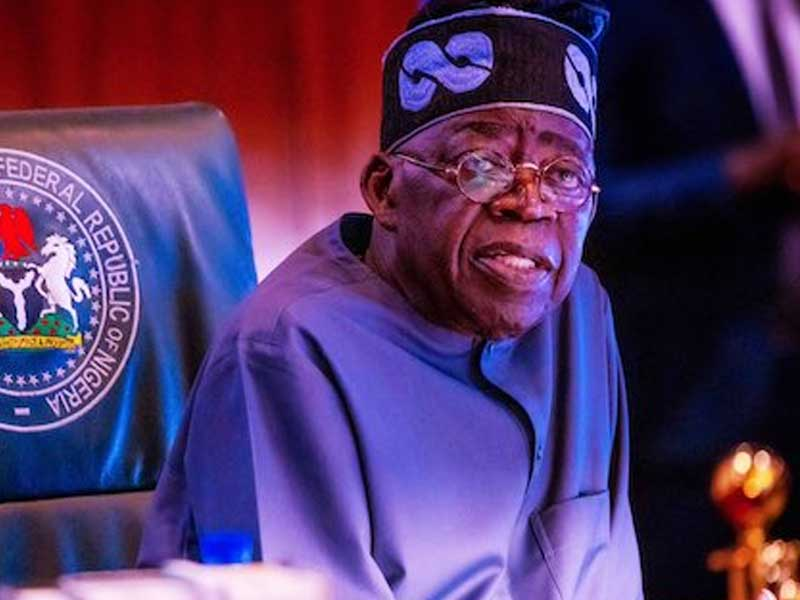
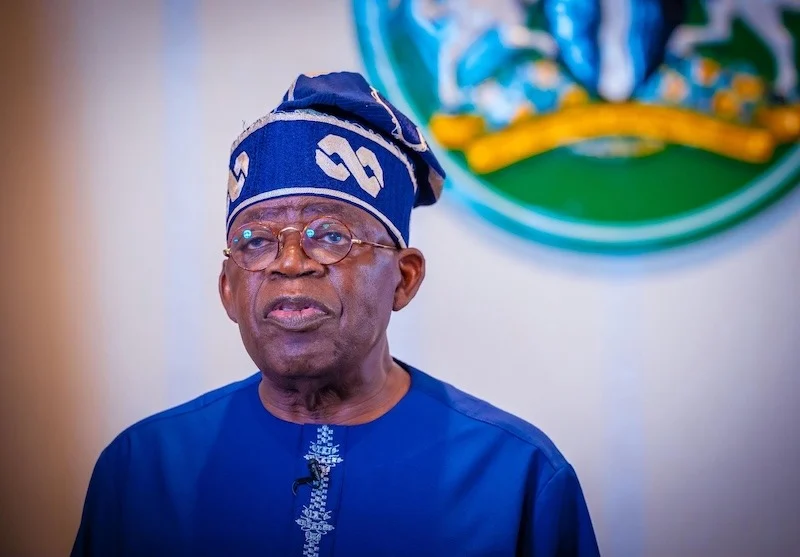
President Bola Ahmed Tinubu on Thursday convened a high-level security meeting at the Presidential Villa, Abuja, amid growing public concern over reported salary-related grievances among members of the Nigerian Armed Forces and the country’s evolving security challenges.
The meeting, which brought together the nation’s top military and intelligence chiefs, comes as discussions surrounding the welfare of troops have intensified on social media and in public discourse. Although the Presidency has not officially linked the meeting to the salary controversy, its timing has drawn significant attention.
The Tinubu meets security chiefs amid troops’ salary backlash meeting is widely seen as part of the administration’s broader effort to strengthen national security while maintaining the morale and operational readiness of the Armed Forces.
High-Level Security Meeting Holds at the Presidential Villa
Present at the closed-door meeting were the National Security Adviser, the Minister of Defence, the Chief of Defence Staff, the Chief of Army Staff, the Chief of Naval Staff, the Chief of Air Staff, the Inspector-General of Police, as well as the heads of the Department of State Services (DSS), the National Intelligence Agency (NIA) and Defence Intelligence.
While details of the deliberations were not immediately disclosed, the gathering underscored the Federal Government’s continued focus on addressing Nigeria’s complex security environment.
The Tinubu meets security chiefs amid troops’ salary backlash development has sparked widespread interest because it coincides with increasing calls for improved welfare for military personnel deployed across various conflict zones.
Troops’ Welfare Comes Under Public Spotlight
Recent public discussions have highlighted concerns over the welfare of military personnel, including issues relating to salaries, allowances and operational support.
Although defence authorities have previously maintained that soldiers’ welfare remains a priority, the online backlash has renewed calls for greater transparency regarding the remuneration and welfare packages available to troops serving in difficult operational environments.
Military analysts note that adequate welfare remains critical to sustaining morale, operational effectiveness and long-term national security.
The Tinubu meets security chiefs amid troops’ salary backlash story therefore extends beyond salaries alone, touching on broader issues of military welfare, equipment, healthcare, housing and family support.
Tinubu Reaffirms Commitment to Security
President Tinubu has consistently stated that improving Nigeria’s security architecture remains one of the central priorities of his administration.
Speaking during recent military engagements, the President reiterated his commitment to modernising the Armed Forces through investment in technology, intelligence gathering, advanced equipment and personnel development.
He also pledged continued support for service members confronting terrorism, banditry, kidnapping, oil theft and other security threats across the country.
The Tinubu meets security chiefs amid troops’ salary backlash meeting is therefore viewed as another indication that the Presidency continues to engage directly with the nation’s security leadership on emerging concerns.
https://ogelenews.ng/tinubu-meets-security-chiefs
Why Military Welfare Matters
Security experts argue that the effectiveness of any military depends not only on weapons and intelligence but also on the welfare of its personnel.
Competitive salaries, prompt payment of allowances, adequate insurance, quality medical care and decent accommodation are often cited as essential components of military readiness.
Analysts say improving troop welfare can:
- Boost operational morale.
- Increase combat effectiveness.
- Improve retention of experienced personnel.
- Strengthen public confidence in the Armed Forces.
- Enhance national security outcomes.
The renewed attention generated by the Tinubu meets security chiefs amid troops’ salary backlash report has therefore revived broader conversations about long-term reforms within Nigeria’s security institutions.
Presidency Yet to Release Full Details
As of the time of filing this report, the Presidency had not released a detailed communiqué outlining the specific resolutions reached during the meeting.
However, previous security meetings chaired by President Tinubu have typically focused on intelligence coordination, military operations, policing, counter-terrorism strategies and emerging national security threats.
Observers expect further clarification from presidential spokespersons or relevant security agencies in the coming days.
Analysts Call for Balanced Reforms
Policy experts believe that while security operations remain essential, equal attention should be given to improving the welfare and motivation of military personnel.
According to governance and defence analysts, effective national security requires a combination of strong leadership, adequate funding, modern equipment and motivated personnel.
Several experts have also stressed the importance of strengthening institutional accountability while ensuring that operational decisions are supported by sufficient financial resources.
The Tinubu meets security chiefs amid troops’ salary backlash discussion therefore reflects wider concerns about sustaining Nigeria’s fight against insecurity through comprehensive reforms rather than short-term responses.
Looking Ahead
As Nigeria continues to confront terrorism, banditry, kidnapping and other security threats, expectations remain high that the Federal Government will continue investing in both operational capacity and personnel welfare.
The meeting between President Tinubu and the nation’s security chiefs signals ongoing consultations at the highest level of government regarding the country’s security priorities.
Whether the recent public concerns over troop welfare result in additional policy measures remains to be seen.
Nevertheless, the Tinubu meets security chiefs amid troops’salary backlash story has once again highlighted the close relationship between military welfare, national security and effective governance.
With security remaining one of the administration’s foremost responsibilities, stakeholders will be watching closely for any concrete actions that emerge from the discussions held at the Presidential Villa.