












Fake agency probe
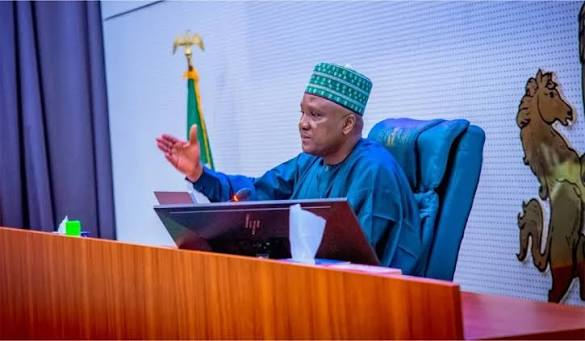
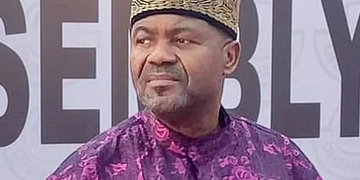
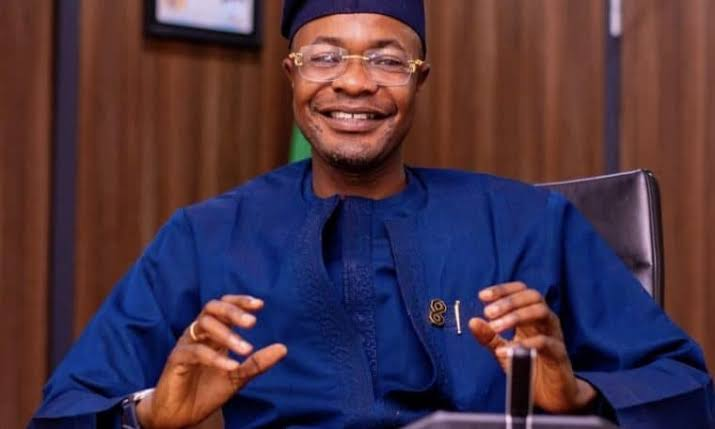
Fresh controversy has emerged in the House of Representatives’ investigation into the alleged operations of a controversial government agency after Adeyemi declined to participate in a proposed closed-door session with lawmakers, insisting that the proceedings should remain open in the interest of transparency and public accountability.
The development occurred during an ongoing investigation by the House of Representatives committee examining allegations surrounding the establishment, operations and funding of the agency, which has generated widespread public debate.
According to lawmakers, the committee sought a private session to enable more detailed discussions on sensitive issues connected with the investigation.
However, Adeyemi objected to the proposal, arguing that the matter involved significant public interest and should be conducted openly.
Why the House Is Investigating
The House of Representatives commenced the investigation following allegations concerning the activities of the agency, including questions surrounding its legal status, funding structure and operational mandate.
Lawmakers say the inquiry seeks to determine whether public resources were utilised appropriately and whether all relevant laws governing government institutions were observed.
The committee emphasised that its responsibility is to establish the facts through documentary evidence and witness testimony.
As proceedings continue, the Fake agency probe has attracted considerable public attention because of its implications for accountability in public administration.
Members of the committee reiterated that the investigation remains ongoing and no final conclusions have been reached.
https://ogelenews.ng/fake-agency-probe-adeyemi-2
Adeyemi Rejects Closed-Door Proceedings
During the committee’s sitting, Adeyemi reportedly declined the request for a private hearing.
He maintained that discussions concerning matters of public governance should ordinarily take place in the open unless exceptional legal or security considerations require confidentiality.
According to reports, Adeyemi argued that transparency would strengthen public confidence in the investigative process while reducing speculation surrounding the inquiry.
His position immediately generated debate among committee members regarding the appropriate format for legislative investigations.
The disagreement has become one of the defining moments of the Fake agency probe, drawing attention to competing views on openness and confidentiality.
Committee Defends Its Position
Members of the House committee maintained that parliamentary investigations sometimes require private sessions where sensitive information may be discussed.
Committee officials argued that closed-door meetings are recognised legislative procedures and may assist lawmakers in obtaining information that witnesses might be reluctant to disclose publicly.
They emphasised that any decision regarding hearing procedures remains within the committee’s constitutional oversight responsibilities.
Despite Adeyemi’s objections, lawmakers insisted that the Fake agency probe would continue in accordance with established parliamentary procedures.
The committee also assured the public that its findings would ultimately be presented through official legislative processes.
Transparency Versus Confidentiality
The disagreement has revived an important constitutional discussion concerning legislative investigations.
Open hearings generally promote public confidence by allowing citizens to observe parliamentary oversight directly.
Closed-door sessions, on the other hand, may become necessary where classified information, national security issues or legally protected material is involved.
Legal experts note that both approaches have recognised places within parliamentary practice.
The ongoing Fake agency probe illustrates the practical challenge of balancing transparency with effective fact-finding.
Ultimately, legislative committees retain discretion subject to constitutional and procedural rules.
Importance of Legislative Oversight
The House of Representatives exercises constitutional oversight over ministries, departments and agencies through committee investigations.
Such inquiries help lawmakers determine whether public institutions operate in accordance with existing laws and approved appropriations.
Oversight also enables Parliament to recommend administrative, legislative or disciplinary measures where necessary.
The continuing Fake agency probe demonstrates the important role played by parliamentary committees in promoting public accountability.
However, observers emphasise that investigations should remain fair, impartial and evidence-based throughout the process.
Presumption of Innocence Remains Essential
Although allegations have generated significant public interest, legal analysts caution against drawing conclusions before the investigation is completed.
Parliamentary investigations differ from criminal trials and do not independently determine criminal liability.
Any findings suggesting criminal conduct would ordinarily require further action by competent investigative or prosecutorial authorities.
The Fake agency probe should therefore be understood as an oversight exercise rather than a judicial determination of guilt or innocence.
Respect for due process remains fundamental throughout the investigation.
Public Confidence Depends on Credibility
Governance experts argue that both transparency and procedural fairness contribute significantly to public confidence in legislative investigations.
Citizens expect Parliament to investigate allegations thoroughly while respecting the rights of witnesses and maintaining institutional integrity.
Clear communication regarding procedural decisions also helps reduce misinformation and political speculation.
The manner in which the Fake agency probe proceeds may therefore influence public perceptions of legislative accountability.
Credible oversight depends not only on final findings but also on the fairness of the investigative process itself.
Investigation Continues
The House committee has indicated that additional witnesses and documentary evidence may still be presented before the inquiry concludes.
Lawmakers are expected to review testimonies, official records and other relevant materials before preparing their final report.
The committee’s recommendations could include administrative reforms, legislative amendments or referrals to appropriate agencies where necessary.
Until then, the Fake agency probe remains an active parliamentary investigation, and all parties involved continue to enjoy the protections guaranteed by law.
Observers will be watching closely as the committee advances toward its final conclusions.
Ogele News Perspective
The disagreement over whether proceedings should be conducted publicly or privately highlights an important aspect of democratic oversight.
Transparency strengthens public confidence, while confidentiality may sometimes assist investigators in obtaining sensitive information.
Neither principle should automatically exclude the other.
What remains essential is that parliamentary investigations are conducted fairly, lawfully and without prejudice.
The House committee should continue ensuring that witnesses are treated with fairness while maintaining the public’s right to understand matters involving governance and public accountability.
The Fake agency probe should ultimately be judged by the quality of its evidence, the fairness of its procedures and the credibility of its final recommendations.
Only a transparent, professional and evidence-based investigation can strengthen confidence in both Parliament and Nigeria’s broader accountability framework.
The disagreement has pushed the Fake agency probe into a new phase, raising broader questions about legislative oversight, transparency and the conduct of parliamentary investigations.
https://punchng.com/fake-agency-probe-adeyemi-rejects-closed-door-reps-quiz/