













fake agency scandal
The fake agency scandal rocking the Presidency has opened a fresh debate over official accountability, forged appointments and the ease with which suspicious groups allegedly operate under the cover of government authority in Nigeria.
At the centre of the controversy is Prince Adeniyi Adeyemi Matthew, who the Presidency says has been parading himself as the Director-General of a non-existent body known as the Presidential Foreign Intervention Promotion Council, also described in some accounts as the Presidential Economic Advisory Council.
According to the State House, Adeyemi has been charged before the Federal High Court in Abuja on eight counts bordering on conspiracy, forgery and impersonation. The Presidency said the case followed a petition by the Chief of Staff to the President, Femi Gbajabiamila, who wrote to security agencies after allegedly discovering that appointment letters and official documents were being forged in his name.
The fake agency scandal has become more sensitive because of its alleged links to official spaces, government correspondence, bank accounts and diplomatic engagement. The Presidency said Adeyemi operated from an office at the Federal Secretariat Complex in Abuja and allegedly hosted meetings with Nigerians and foreign nationals while presenting the body as a legitimate government agency.
In its statement, the Presidency said the alarm was first triggered after officials of the Nigerian Investment Promotion Commission complained that another body appeared to be operating in a manner that could conflict with its lawful mandate. The matter later drew attention from the Ministry of Foreign Affairs after Adeyemi allegedly hosted ambassadors at a hotel in Abuja without proper diplomatic clearance.
The Presidency further alleged that Adeyemi wrote to the Ministry of Foreign Affairs seeking a Note Verbale to the United States Embassy to facilitate visas for some persons described as staff of the purported agency. For a government already battling public distrust, that allegation has pushed the fake agency scandal beyond ordinary impersonation into the realm of national embarrassment.
Police investigators, according to the Presidency, alleged that Adeyemi operated 34 bank accounts, nine of them allegedly opened in the names of fictitious government bodies. The Presidency also said investigators recommended that the accounts be frozen pending prosecution.
The case has now raised troubling questions. How did an allegedly fake agency secure office space? How did it communicate with ministries and foreign missions? How did it allegedly open accounts connected to non-existent government bodies? And why did it take so long before the matter became public?
https://ogelenews.ng/fake-agency-scandal-presidency-faces-heat-as-fg-pro…
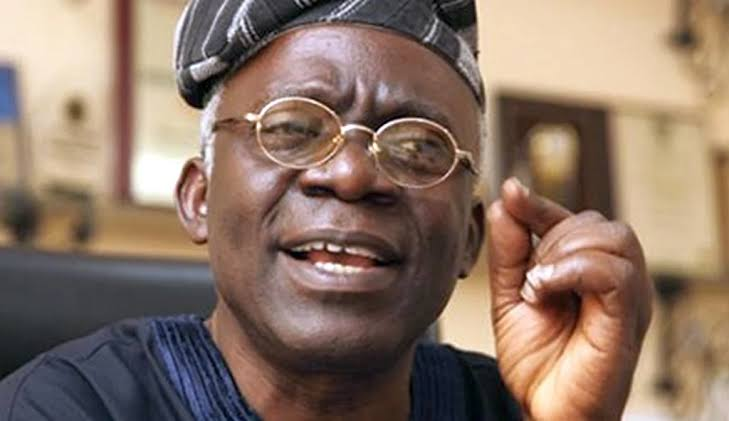
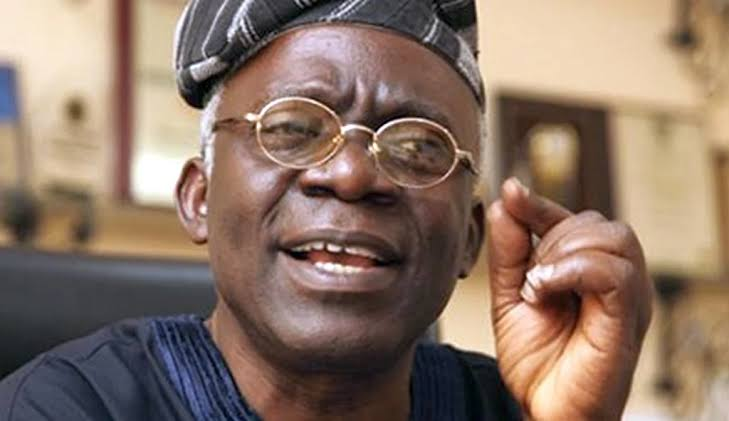
Human rights lawyer, Femi Falana, SAN, has argued that the Presidency cannot clear anyone involved in the matter by public statement. He said only law enforcement and anti-corruption agencies have the constitutional responsibility to investigate allegations of fraud, corruption and abuse of office. Falana also called for an independent investigation into both Adeyemi and any public officials whose names or offices appeared in the controversy.
That call has intensified the heat on the Presidency. The State House has strongly defended Gbajabiamila, insisting that he was the one who reported the matter to security agencies. But critics argue that the fake agency scandal cannot be settled by denial alone. They want a deeper probe into the systems that allowed the alleged operation to gain attention, space and official appearance.
Adeyemi, on his part, has reportedly denied wrongdoing and made counter-allegations. He has alleged that there were financial demands linked to his purported appointment. Those claims have not been proven in court, and the Presidency has dismissed them as an attempt to weaponise falsehood against the Chief of Staff.
This is why the trial is important. The court must separate propaganda from evidence, politics from fact and allegation from proof. Until then, all parties remain entitled to due process.
Still, the fake agency scandal has exposed a larger governance problem. Nigeria’s public institutions remain vulnerable to forged documents, unofficial influence and persons who exploit the prestige of the Presidency to gain access. When citizens cannot easily verify government appointments, agencies and mandates, fraudsters can thrive in the confusion.
The Presidency must therefore go beyond defending itself. It should publish clear verification channels for presidential appointments, special councils, committees and advisory bodies. Every ministry and agency should be required to confirm the legal status of any body claiming presidential authority before engaging with it.
There is also a need for tighter control of office allocation in federal buildings. If the allegations are true, the question is not only whether Adeyemi acted unlawfully. The bigger question is how such an operation allegedly found room inside a federal facility.
The fake agency scandal also shows why Nigeria needs stronger document authentication across government. Official letters, seals, signatures and reference numbers should be digitally verifiable. A forged letter should not be enough to open doors in ministries, banks or diplomatic circles.
For the Tinubu administration, this is a credibility test. The public will not be satisfied with press statements alone. Nigerians want to see a transparent investigation, a diligent prosecution and consequences for anyone found culpable, whether private citizen or public official.
For security agencies, the case is an opportunity to demonstrate independence. The Police, DSS, ICPC and relevant financial intelligence authorities must follow the evidence without fear or political pressure. If the accused forged documents and impersonated government officials, the law must take its course. If any official aided or benefited from the alleged scheme, that too must be exposed.
The fake agency scandal is therefore more than the story of one controversial DG. It is a warning about institutional weakness, political access and the dangers of informal power networks operating around the seat of government.
As the case proceeds before the Federal High Court, the public will be watching closely. The Presidency says it blew the whistle. Falana says the Presidency cannot clear itself. Adeyemi has made his own claims. The court must now determine what is true.
Until then, the fake agency scandal remains a serious test of transparency, justice and the integrity of Nigeria’s highest political office.