















Kogi campaign signage levy
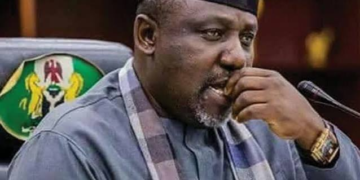
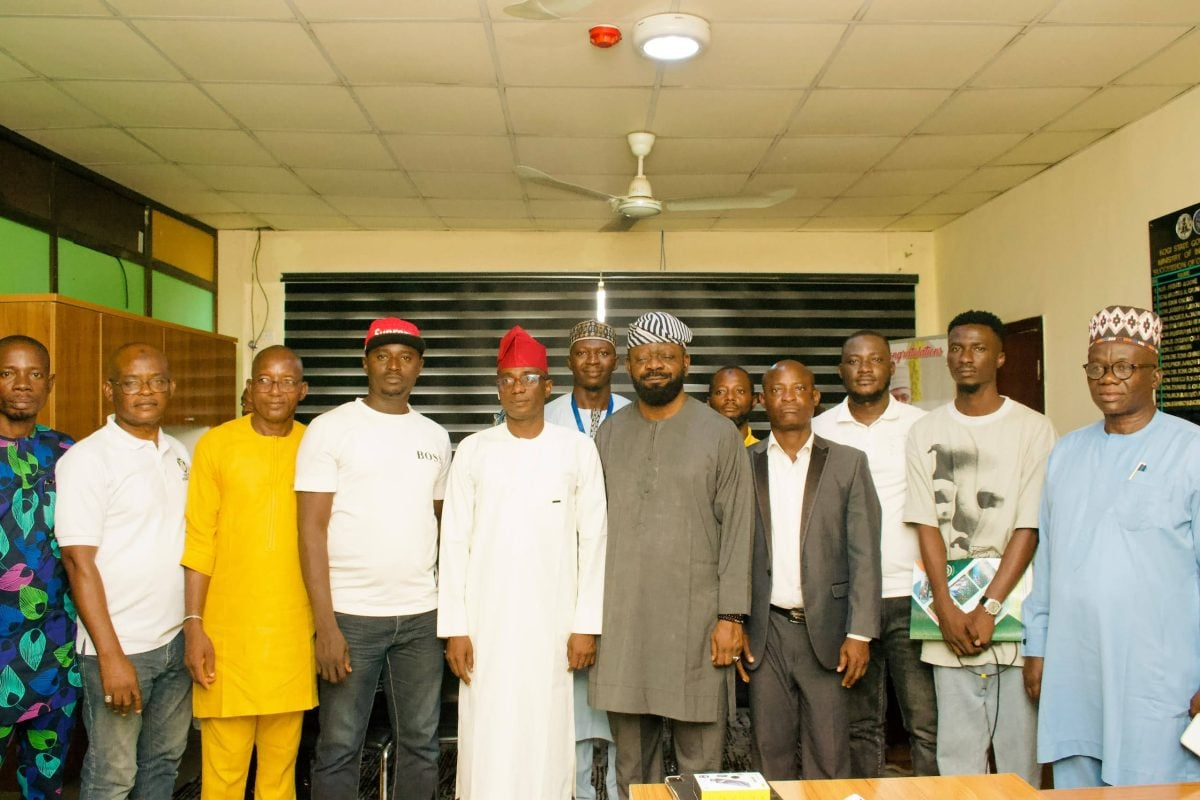
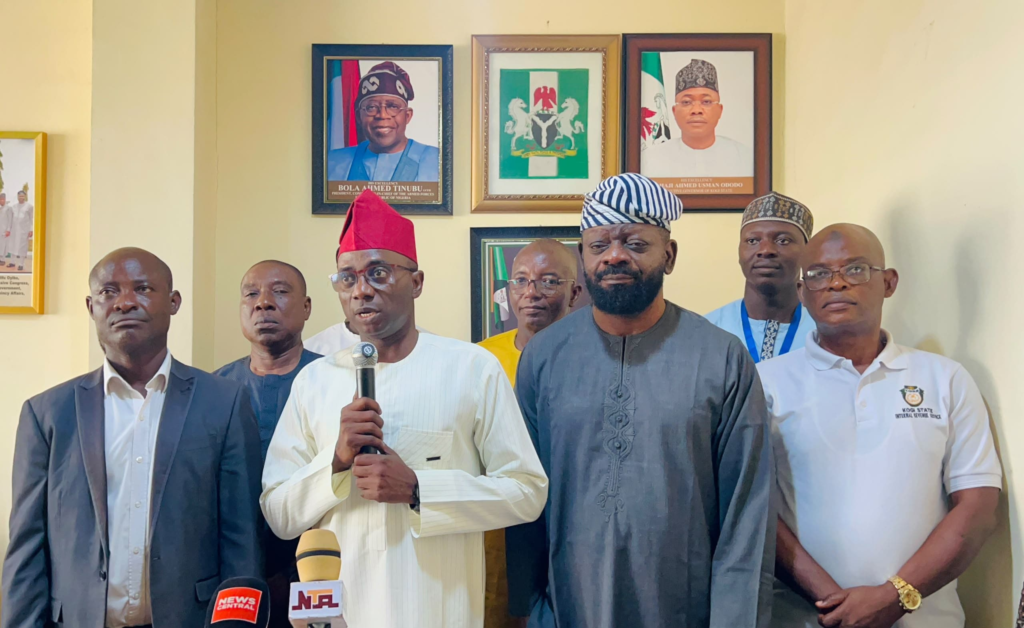
The Peoples Democratic Party candidate for Ogugu State Constituency in Kogi State, Michael Samuel Idoko, has rejected the ₦5 million campaign signage fee imposed on candidates contesting seats in the State House of Assembly ahead of the 2027 general elections.
Idoko said the Kogi campaign signage levy places an unnecessary financial burden on candidates and risks making political participation more difficult for young people, women and grassroots politicians without access to large campaign funds.
His criticism followed the announcement by the Kogi State Government that political parties and candidates would be required to pay specified fees before displaying campaign billboards, posters, branded T-shirts, caps and other promotional materials across the state.
Under the approved structure, presidential candidates are to pay ₦150 million, senatorial candidates ₦50 million, House of Representatives candidates ₦30 million and State House of Assembly candidates ₦5 million. Local government chairmanship candidates are to pay ₦2 million, while councillorship candidates will pay ₦300,000.
Idoko questions ₦5m charge
Idoko argued that the Kogi campaign signage levy could commercialise democracy by making participation increasingly dependent on financial strength rather than ideas, credibility and grassroots support.
He questioned why an Assembly candidate should be required to spend ₦5 million merely to display campaign materials when many residents are struggling with the cost of food, transportation, healthcare and education.
The PDP candidate said money demanded for signage could instead be channelled into direct support for constituents.
He cited school fees for indigent students, assistance for widows, youth empowerment, small-business support and medical aid as examples of areas where ₦5 million could have a more immediate social impact.
His position is essentially that campaigns should be won through engagement with voters rather than through the volume of outdoor advertising.
Government defends levy
The Kogi State Government has defended the Kogi campaign signage levy, saying it is part of a regulatory framework designed to control political advertising across the state.
Commissioner for Information and Communications Kingsley Fanwo said the charges were introduced after a stakeholder meeting involving operators in the signage and advertising sector.
He said the government wanted to regulate the proliferation of campaign materials, ensure compliance with existing signage rules and generate revenue for the state.
Fanwo also said the rates were arrived at after what he described as a peer review of similar charges in other states.
According to him, the government considers the fees affordable in view of the scale of political campaigns and the reach of outdoor advertising.
That explanation is now at the centre of the political disagreement.
APC candidates also affected
The state government insists the Kogi campaign signage levy will apply equally to all political parties.
Fanwo said candidates of the ruling All Progressives Congress would not be exempted.
He warned that any candidate who displays campaign billboards or posters without paying the prescribed fees could have the materials removed and could also face prosecution under the applicable regulations.
That clarification is important because opposition parties often suspect that administrative regulations can be selectively enforced during election periods.
The real test will therefore be whether the rules are applied uniformly to APC, PDP, ADC, Labour Party and other candidates.
Equal enforcement matters as much as the written fee schedule itself.
KOSSAA to enforce new regime
The Kogi State Signage and Advertisement Agency is responsible for implementing the campaign advertising rules.
The government said KOSSAA would regulate outdoor advertising and ensure candidates and billboard operators obtain approvals before placing campaign materials.
General Manager Richard Osaseyi said enforcement would begin shortly and warned that unauthorised materials would be removed.
The agency’s role gives the Kogi campaign signage levy practical consequences beyond a simple financial charge.
Candidates who refuse to pay may find themselves unable to use conventional outdoor advertising unless they successfully challenge the policy or adopt other campaign methods.
That is why the dispute could become more politically significant as campaigns intensify.
Fee structure marks sharp increase from 2023 cycle
The new charges are considerably higher than the political signage fees previously reported ahead of the 2023 elections.
In 2022, Kogi adopted a regime under which presidential candidates were reportedly required to pay ₦10 million, governorship candidates ₦5 million, senatorial candidates ₦2 million, House of Representatives candidates ₦1 million and House of Assembly candidates ₦500,000.
The current Kogi campaign signage levy therefore represents a major increase for several categories.
For State House of Assembly candidates, the fee has risen from the previously reported ₦500,000 to ₦5 million.
https://ogelenews.ng/kogi-pdp-candidate-rejects-₦5m-campaign-signage-lev…
For presidential candidates, the figure has moved from ₦10 million to ₦150 million.
That scale of increase is likely to remain one of the strongest points of criticism from opposition parties and smaller political campaigns.
Democracy and cost of participation
The wider issue raised by Idoko’s objection is the rising cost of electoral participation in Nigeria.
Candidates already face expenses associated with nomination forms, campaign logistics, transportation, staffing, media appearances, security and voter engagement.
Adding large advertising charges increases the financial barrier further.
The Kogi campaign signage levy therefore raises an important question: at what point does regulation become an obstacle to political participation?
The government has a legitimate interest in controlling indiscriminate placement of posters and billboards.
Cities can become visually congested during campaigns, while posters are often pasted on bridges, public buildings, road infrastructure and other inappropriate locations.
Outdoor advertising also has commercial value and can reasonably be subject to regulation.
But regulation must remain proportionate.
Smaller parties may be hit hardest
Large political parties can spread campaign costs across national structures, wealthy supporters and elected officials.
Smaller parties often cannot.
A presidential campaign backed by a major party may be able to absorb a ₦150 million signage fee.
A smaller candidate may not.
The same principle applies at constituency level.
The Kogi campaign signage levy could therefore affect candidates differently depending on the resources available to them.
That is why Idoko’s argument about young people and grassroots candidates deserves attention.
A democracy should encourage participation based on ideas, competence and public support rather than make access to visibility depend primarily on money.
Billboard politics versus grassroots campaigning
Idoko also questioned the electoral value of billboards themselves.
He argued that candidates can win elections without covering communities with campaign posters.
That is true in a broader political sense.
Outdoor advertising can create visibility, but it cannot substitute for a functioning party structure, door-to-door mobilisation, credible candidates and voter trust.
The dispute over the Kogi campaign signage levy may therefore push some candidates towards cheaper forms of campaigning.
Social media, community meetings, radio, town halls and direct voter engagement could become more attractive to candidates unwilling or unable to pay the state’s signage charges.
This could even alter how local campaigns are organised.
Revenue argument requires transparency
The state government says part of the purpose of the charges is revenue generation.
That creates another responsibility.
If the Kogi campaign signage levy produces substantial revenue, citizens should be able to see how much is collected and how the money is used.
Political advertising fees collected during election periods should be properly accounted for.
Transparency would help reduce suspicion that the charges are merely instruments for political control.
KOSSAA and the Ministry of Information should therefore publish clear payment procedures, receipts, enforcement guidelines and post-election revenue figures.
Enforcement must avoid selective treatment
The government’s assurance that APC candidates will also pay is welcome, but enforcement will determine whether the promise has meaning.
If opposition billboards are removed while ruling-party materials remain untouched, public confidence will collapse quickly.
Likewise, if some candidates are granted informal exemptions, the Kogi campaign signage levy could become vulnerable to legal and political challenge.
The safest approach is simple.
Every candidate should face the same published rules, deadlines and enforcement procedures.
Any waiver should be publicly disclosed and based on transparent criteria.
Ogele News perspective
The Kogi State Government has a legitimate responsibility to regulate outdoor advertising.
Campaign posters cannot simply be placed anywhere without regard to public infrastructure, road safety or environmental order.
But regulation must also respect the democratic character of elections.
The Kogi campaign signage levy should not become so expensive that political visibility is effectively reserved for wealthy candidates and large parties.
Michael Samuel Idoko’s objection therefore raises a legitimate question even if one disagrees with his broader political argument.
Why should a State House of Assembly candidate pay ₦5 million for campaign signage, especially when the comparable charge reported ahead of the last general election was far lower?
The government should explain the methodology behind the new rates in greater detail.
A reference to peer review is not enough.
Citizens deserve to know which states were compared, what those states charge and why Kogi settled on the specific figures announced.
The Kogi campaign signage levy will also require strict neutrality in enforcement.
APC candidates must face exactly the same consequences as PDP, ADC, Labour Party and other candidates if they violate the regulations.
If that happens, the government can credibly argue that the system is regulatory rather than partisan.
If enforcement becomes selective, the policy will reinforce Idoko’s accusation that the levy is anti-democratic.
Ultimately, elections should be determined by voters, not by the size of a candidate’s billboard budget.
Kogi has the right to regulate political advertising.
The challenge is ensuring that regulation does not become an unnecessary toll gate into democratic participation.
https://kogistate.gov.ng/2027-kogi-fixes-n150m-campaign-signage-fee-for-presidential-candidates/