















FIFA investment plan
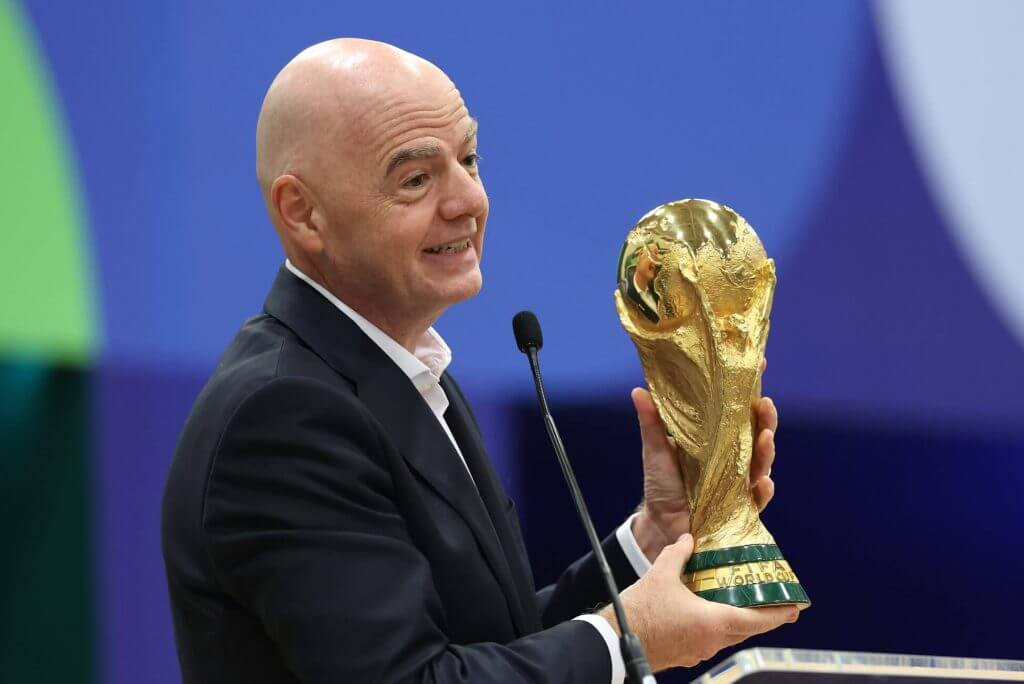
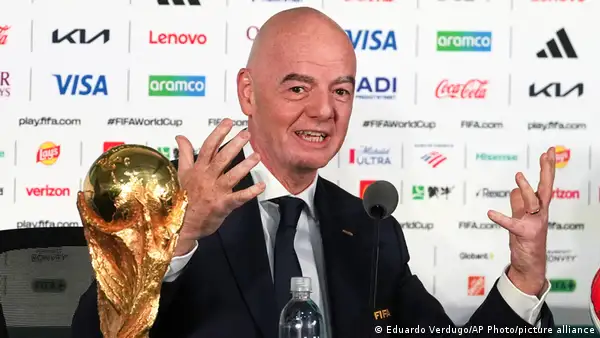
FIFA President Gianni Infantino has offered each of the world’s 211 football associations access to up to $40 million in funding as part of a sweeping proposal designed to secure support for FIFA’s new commercial investment strategy, a move that has triggered one of the biggest governance debates in international football in recent years.
The proposal is linked to FIFA’s plan to establish a new commercial subsidiary, FIFA Forward Enterprise (FFE), valued at approximately $20 billion. Under the plan, FIFA would sell a minority stake of up to 20 per cent to private investors while retaining overall control of football governance and competition management.
The FIFA investment plan represents one of the most ambitious commercial restructuring efforts in the history of world football. According to FIFA, the initiative is designed to unlock additional financial resources that can be redistributed to member associations to support football development worldwide.
However, the proposal has drawn fierce criticism from UEFA, several national football associations and football administrators, who argue that the process lacks transparency and risks commercialising the sport’s most valuable assets.
FIFA seeks approval from 211 member associations
The FIFA investment plan requires approval from FIFA’s 211 member associations before it can proceed.
Reports indicate that Infantino informed national federations that those choosing to participate could receive a one-off capital allocation of up to $40 million if the proposal is approved.
The funding would come from new investment raised through the sale of minority shares in the proposed FIFA commercial entity rather than from FIFA’s existing operational budget.
FIFA argues that the arrangement would enable football associations, particularly those in developing nations, to finance infrastructure projects, grassroots football, youth development programmes, women’s football and technical improvements without increasing membership fees or reducing existing FIFA development programmes.
Supporters of the proposal say many smaller football associations struggle financially and would benefit significantly from additional capital.
For several developing football nations, including many in Africa, Asia, Oceania and the Caribbean, such funding could support stadium construction, coaching education, referee development and youth competitions.
What is FIFA Forward Enterprise?
Central to the FIFA investment plan is the creation of FIFA Forward Enterprise (FFE).
FFE would consolidate FIFA’s major commercial rights, including:
- Broadcasting rights
- Sponsorship agreements
- Commercial partnerships
- Licensing
- Ticketing
- Hospitality
- Merchandising
Instead of these activities remaining entirely within FIFA’s traditional organisational structure, they would be managed through the new commercial subsidiary.
Private investors would acquire a minority, non-controlling stake, while FIFA would retain authority over football regulations, competitions and governance.
FIFA believes this model would unlock billions of dollars in additional commercial value over the coming years.
Why FIFA wants private investment
The FIFA investment plan comes after FIFA reported record revenues generated from the expanded 2026 FIFA World Cup.
With commercial income continuing to grow, FIFA believes separating its commercial operations into a dedicated enterprise could increase efficiency, attract long-term investment and create new financial opportunities for member associations.
According to reports, FIFA hopes to raise approximately $4.2 billion through the proposed equity sale. Those proceeds would then be distributed under FIFA’s development strategy.
Infantino has described the initiative as part of the “democratisation of football,” arguing that football’s commercial success should benefit all member associations rather than only the sport’s traditional powers.
UEFA strongly opposes proposal
Despite FIFA’s optimism, the FIFA investment plan has encountered immediate resistance.
UEFA issued one of its strongest public criticisms of FIFA in recent years, accusing the organisation of failing to consult key stakeholders before unveiling the proposal.
European football’s governing body warned that football “does not belong to FIFA” and expressed concern that private investment could fundamentally alter the governance of the global game.
Several national associations, including the English Football Association, also expressed reservations, calling for greater transparency regarding the proposed ownership structure, investor rights and financial arrangements.
Critics argue that the World Cup is football’s most valuable global asset and should not become subject to commercial arrangements that may prioritise investor returns over sporting integrity.
Governance questions remain
The FIFA investment plan has also raised significant governance questions.
Among the issues being debated are:
- How will FIFA protect football governance from investor influence?
- What commercial rights will be transferred to the new company?
- What protections will member associations receive?
- How will future revenues be distributed?
- What happens if investors later seek greater influence?
FIFA insists that no investor will obtain control over football competitions or policymaking.
However, critics argue that commercial pressure can still influence strategic decisions even where investors lack formal voting power.
Previous proposal failed
This is not the first time FIFA has explored private investment.
In 2018, FIFA examined a separate proposal reportedly worth $25 billion, backed by international investors.
That initiative ultimately failed following opposition from several football stakeholders.
The current FIFA investment plan differs because FIFA intends to create its own commercial subsidiary before introducing minority investors rather than entering a broader external partnership.
https://ogelenews.ng/fifa-investment-plan
What the proposal could mean for football
If approved, the FIFA investment plan could reshape the commercial future of world football.
Supporters argue that greater investment would:
- Increase funding for developing nations.
- Improve football infrastructure.
- Expand women’s football.
- Strengthen youth development.
- Reduce financial inequality between football associations.
Opponents fear it could:
- Increase commercial influence over football.
- Reduce transparency.
- Encourage future expansion of tournaments primarily for financial reasons.
- Create conflicts between sporting and investor priorities.
The debate reflects broader tensions between football’s commercial growth and its traditional governance structures.
Decision expected in coming weeks
FIFA member associations are expected to consider the proposal before a formal decision is taken later this year.
Because each association has one vote regardless of size, the outcome will depend largely on support from developing football nations that stand to benefit most from the proposed funding.
If approved, FIFA would proceed with establishing FIFA Forward Enterprise and completing negotiations with external investors.
If rejected, FIFA is expected to continue operating under its existing commercial model.
Ogele News Analysis
The FIFA investment plan represents one of the most significant structural reforms proposed by FIFA since the commercial expansion of the modern World Cup.
The promise of up to $40 million for each member association will undoubtedly appeal to many smaller football federations facing financial constraints. Yet the controversy surrounding governance, transparency and commercial control shows that football’s stakeholders remain divided over how the sport should evolve.
Ultimately, the proposal’s success will depend not only on the financial incentives offered but also on FIFA’s ability to convince member associations that the game’s integrity will remain protected. The coming vote could shape the commercial future of global football for decades.