















ISIS Funding
The Federal Government is preparing to charge a Lagos-based Bureau De Change operator, Mukhtar Adamu Muhammad, over alleged terrorism financing, days after the United States government sanctioned him and companies linked to him for alleged financial dealings connected to ISIS and its West African affiliate.
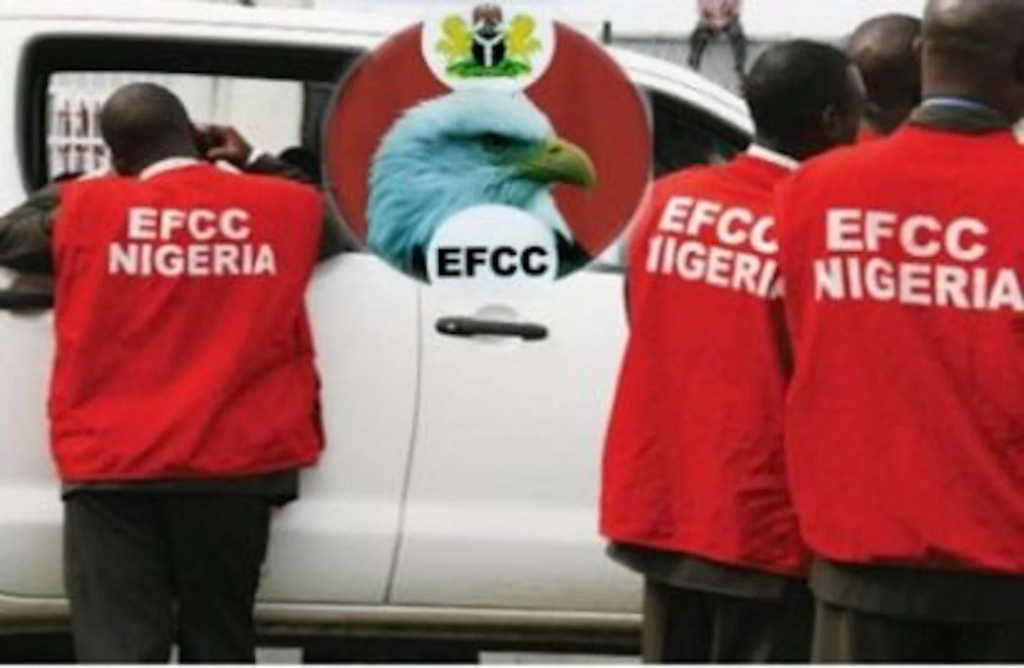
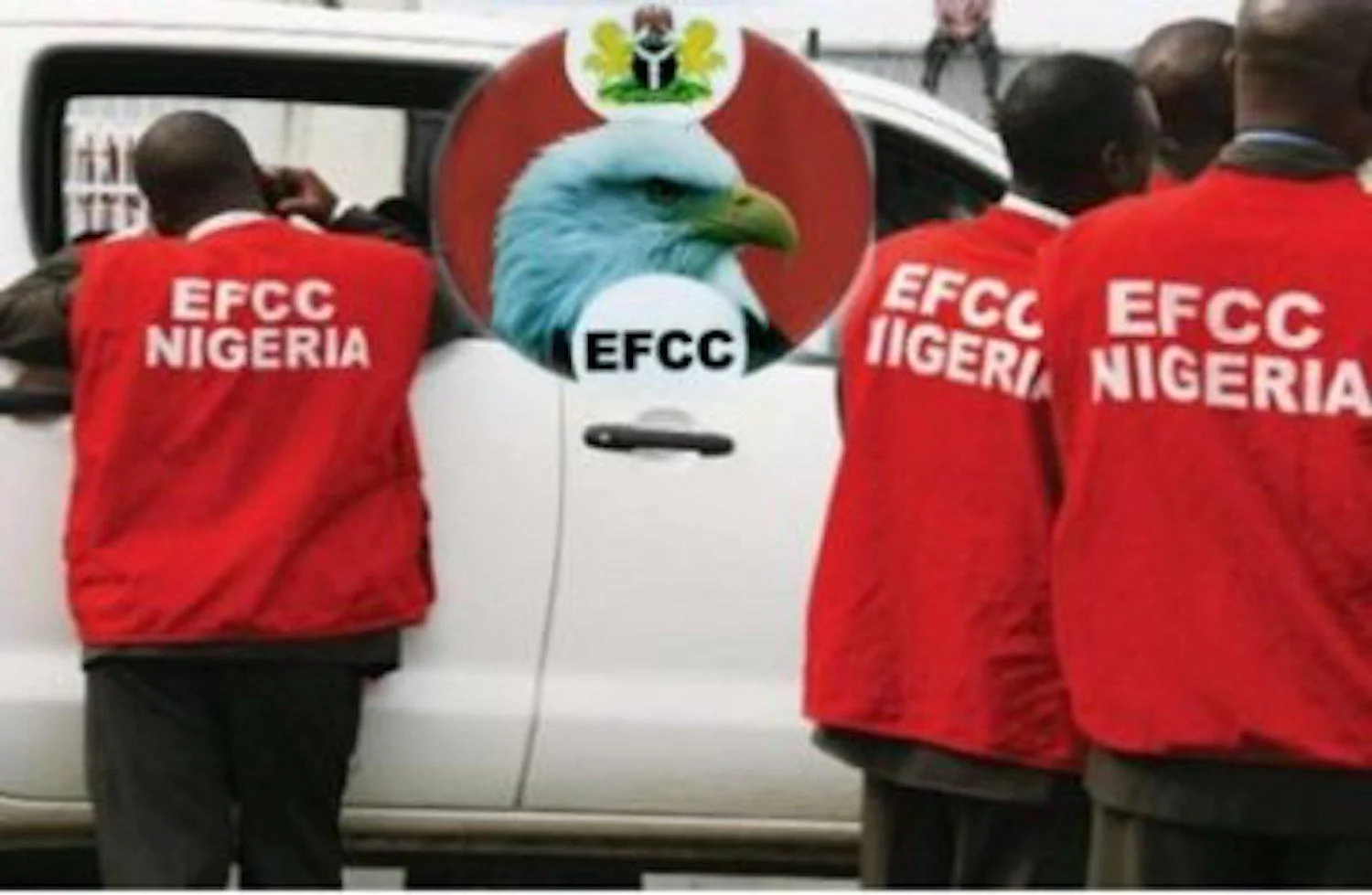
The development has pushed the ISIS Funding investigation into a new phase, with security and anti-graft authorities now expected to move from investigation to prosecution. The Economic and Financial Crimes Commission is said to have already been probing Muhammad and companies linked to him before the United States Treasury announced sanctions against him.
According to reports, the affected companies include Nine to Nine Exchange Bureau De Change Limited, Generation Currency Bureau De Change Limited, and Manhattan Bureau De Change Limited. U.S. authorities alleged that the companies were owned, controlled or directed by Muhammad and were used to facilitate financial transactions on behalf of ISIS-West Africa, also known as Islamic State West Africa Province.
The ISIS Funding allegation is serious, but it remains an allegation until tested before a competent court. This distinction is important. Sanctions may freeze assets and restrict financial dealings, but prosecution will require Nigerian authorities to present evidence before a court and prove the case according to law.
The U.S. Department of the Treasury’s Office of Foreign Assets Control said the action formed part of a wider global effort to disrupt financial networks allegedly supporting ISIS operations across Europe, the Middle East and West Africa. The designation placed Muhammad and the linked firms under sanctions, meaning their property and interests in the United States are blocked and U.S. persons are generally prohibited from dealing with them.
Nigeria’s response suggests that the matter did not begin with the American designation. The Nigerian Sanctions Committee, led by the Solicitor-General of the Federation and Permanent Secretary of the Federal Ministry of Justice, Beatrice Jedy-Agba, said the country had already listed affected persons and entities under its domestic sanctions regime after intelligence gathering, financial investigations and inter-agency assessments.
That makes the ISIS Funding case one of the clearest examples of how local intelligence, financial surveillance and international cooperation are becoming central to counterterrorism enforcement. For years, Nigeria’s war against terrorism has focused heavily on military operations. This case shows that the financial side of terrorism is now receiving sharper attention.
The EFCC’s expected prosecution will be watched closely because it may test Nigeria’s capacity to convert intelligence and sanctions findings into court-ready evidence. Terrorism financing cases are often complex. They usually involve financial trails, company records, transfers, ownership structures, suspicious transactions and links between money movement and prohibited groups.
https://ogelenews.ng/isis-funding-fg-set-to-charge-us-sanctioned-bdc-ope…
For Nigeria, the stakes are high. ISWAP remains one of the most dangerous armed groups operating in the North-East and the Lake Chad region. Security experts have repeatedly argued that weakening such groups requires more than battlefield operations. Their funding channels, logistics networks and financial facilitators must also be disrupted.
The ISIS Funding probe also places Bureau De Change operations under renewed scrutiny. BDCs perform legitimate roles in currency exchange, but the sector has long been vulnerable to abuse where supervision is weak. Informal transfers, multiple company structures and cash-heavy transactions can create gaps that criminals may attempt to exploit.
This does not mean every BDC operator is involved in wrongdoing. It means regulators must ensure that operators comply strictly with anti-money laundering and counter-terrorism financing rules. The Central Bank of Nigeria, Nigerian Financial Intelligence Unit, EFCC and other agencies must continue to strengthen oversight without unfairly damaging legitimate businesses.
The case also raises important questions for financial institutions. Banks, BDCs and designated non-financial businesses are expected to comply with sanctions obligations, freeze assets where required, file suspicious transaction reports and report matches involving designated persons or entities. Failure to do so can expose the financial system to serious legal and reputational risks.
For the Federal Government, the challenge is to handle the case with firmness and fairness. The public has a right to know that terrorism financing is being investigated. At the same time, the accused persons and companies are entitled to due process. A careful prosecution will strengthen public confidence more than a media trial.
The ISIS Funding matter also comes at a time when Nigeria is seeking stronger international cooperation against terrorism. The U.S. sanctions show that terrorist financing networks are not always local. They may involve actors, channels and transactions spread across different countries. This is why cooperation between Nigerian agencies and foreign partners is critical.
However, prosecution must not rely only on foreign sanctions. Nigerian authorities must independently establish the facts before the court. They must show the nature of the alleged transactions, the role of the accused, the link to prohibited organisations and the legal basis for the charges.
If the case is properly prosecuted, it could become a major reference point in Nigeria’s fight against terrorism financing. It could also send a strong message to individuals and businesses that the financial system will not be allowed to serve as a channel for extremist networks.
But if handled poorly, it could become another high-profile case that raises expectations without delivering accountability. That is why the EFCC and the Federal Ministry of Justice must ensure that any charge filed is supported by strong evidence and clear legal strategy.
The broader lesson is simple: terrorism is not sustained by violence alone. It also depends on money, movement, secrecy and support networks. Breaking those networks is just as important as confronting armed fighters in the field.
The ISIS Funding investigation involving the US-sanctioned BDC operator is therefore more than a single criminal case. It is a test of Nigeria’s financial intelligence system, its sanctions enforcement regime and its ability to prosecute complex security-related financial crimes.
As the Federal Government prepares to take the matter to court, Nigerians will be watching to see whether this marks a turning point in the country’s response to terrorism financing or another case that fades after the first wave of public attention.
https://punchng.com/isis-funding-fg-set-to-charge-us-sanctioned-bdc-operator