

















kidney donation in Nigeria
A consultant plastic surgeon, Dr Torngee Malu, has said there is no fixed monetary price for kidney donation in Nigeria, warning that legitimate organ donation should not be reduced to a commercial transaction between people seeking kidneys and prospective donors.
Malu made the clarification during an appearance on Channels Television’s Morning Brief as controversy grows over allegations of illegal kidney harvesting and human trafficking involving vulnerable young Nigerians.
His intervention comes at a sensitive moment for kidney donation in Nigeria, following a police investigation into an alleged organ-harvesting and human-trafficking network operating across parts of Nasarawa State and the Federal Capital Territory.
The surgeon argued that discussions about organ transplantation must distinguish legitimate compensation or reimbursement permitted within applicable rules from the outright commercial sale of a human organ.
According to him, there is no prescribed fixed amount that represents the “price” of a donated kidney.
The distinction is critical. A kidney is not an ordinary commodity that should be placed on the market and sold to the highest bidder. Nigeria has introduced standards governing organ and tissue transplantation, including safeguards intended to protect donors and recipients from exploitation and unethical practices.
No fixed price for kidney, Malu says
Addressing questions about what someone donating a kidney through legitimate procedures should receive, Malu said the issue should not be approached as though the human organ itself carries a market price.
He explained that concepts such as reimbursement or compensation must be considered within the applicable legal and ethical framework.
Malu also argued that kidney failure cuts across economic classes.
It is not an illness restricted to wealthy Nigerians who can afford expensive medical treatment. Poor families are also confronted by kidney disease, dialysis bills and the enormous challenge of finding suitable donors.
For that reason, he said the debate over kidney donation in Nigeria should focus more strongly on access to safe transplantation rather than creating a market value for kidneys.
His argument goes to the heart of one of the most difficult ethical questions surrounding transplantation: how can society protect legitimate donors from financial losses associated with donation without creating a system in which poverty becomes a source of organs for wealthier patients?
Kidney donation is different from organ trafficking
Malu also urged Nigerians to understand the distinction between legitimate kidney donation in Nigeria and criminal organ trafficking.
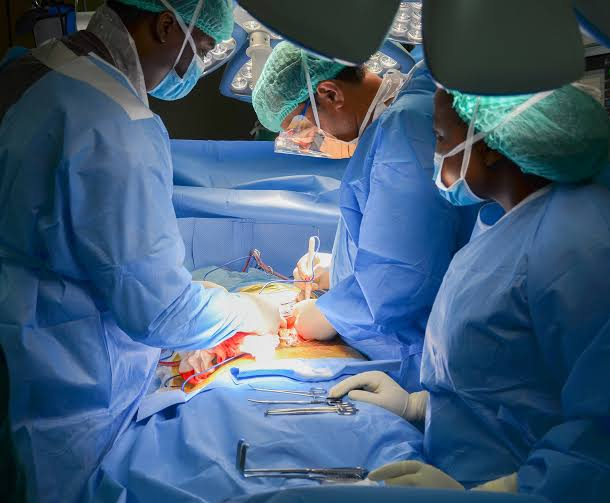
Kidney transplantation is a complex medical procedure requiring specialist expertise, compatibility testing, donor assessment, informed consent and appropriate clinical facilities.
Malu said kidney removal cannot simply be performed casually by any medical practitioner.
He explained that specialist medical teams are involved in the process, with the donor and recipient undergoing the necessary assessment before transplantation takes place.
The complexity of the procedure, however, does not remove the need for rigorous ethical oversight.
A technically successful operation can still raise serious legal and ethical questions if a donor was deceived, coerced, exploited or improperly paid for an organ.
That is why informed and voluntary consent remains fundamental to ethical transplantation.
Nigeria strengthens rules on organ transplantation
Nigeria has taken steps to strengthen regulation of kidney donation in Nigeria and other forms of organ and tissue transplantation.
In 2025, the Federal Ministry of Health and Social Welfare unveiled national standards and guidelines for establishing and coordinating organ and tissue transplantation services.
The framework was developed to promote safe and ethical transplantation while addressing concerns about exploitation, organ trafficking and malpractice.
The Federal Ministry of Health has said the standards require voluntary and informed consent and prohibit organ trafficking and commercial dealings.
The government has also outlined plans for the registration of health institutions and professionals involved in transplantation as well as the establishment of a national organ donation and transplantation registry.
Those measures are particularly significant because organ transplantation involves two sets of interests that must be protected simultaneously: the patient whose life may depend on receiving an organ and the donor whose health, dignity and freedom of choice must never be sacrificed.
https://ogelenews.ng/kidney-donation-in-nigeria
WHO opposes buying and selling human organs
International ethical standards take a similarly firm position.
The World Health Organisation’s guiding principles state that human cells, tissues and organs should be donated freely without monetary payment or financial reward for the organ itself.
However, the WHO framework distinguishes the purchase of an organ from reimbursement of reasonable and verifiable expenses incurred by a donor.
That distinction provides important context for Malu’s comments about kidney donation in Nigeria.
Saying there is “no fixed price” for a kidney should therefore not be interpreted as meaning that buyers and sellers are free to negotiate their own commercial price.
The central ethical principle is that human organs should not become commodities.kidney donation in Nigeria
Police probe alleged kidney-harvesting network
The renewed debate over kidney donation in Nigeria follows a police investigation that has attracted national attention.
Police said operatives arrested four suspects during a sting operation on August 19, 2026, at Auta Balifi in Karu Local Government Area of Nasarawa State.
The suspects were subsequently paraded over allegations relating to an organ-harvesting and human-trafficking syndicate.
According to police, the investigation involves allegations that vulnerable young people were recruited under false pretences.
Investigators also alleged that documents containing victims’ personal details were falsified to facilitate the scheme.
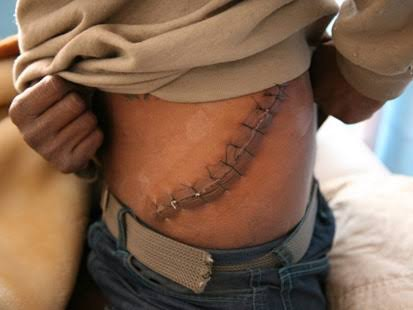
In one of the allegations under investigation, police said a young man was taken to an Abuja medical facility in April 2026 and had a kidney removed after allegedly receiving $1,250.
These remain police allegations. The suspects are entitled to the presumption of innocence unless and until guilt is established before a competent court.
Wellington Clinics denies involvement
Wellington Clinics in Abuja, which has been mentioned in reports surrounding the investigation, has denied involvement in illegal organ harvesting or commercial arrangements involving a donor and recipient.
The hospital said it is cooperating with investigating authorities and maintained that it did not participate in or benefit from any alleged financial arrangement between the parties.
It has also suspended renal transplant-related services pending the conclusion of investigations surrounding an April 2026 kidney procedure.
That response adds another layer to the controversy surrounding kidney donation in Nigeria.
Investigators will now have to establish what happened, whether genuine informed consent existed, whether anyone was deceived or exploited, what financial arrangements were made and whether the applicable medical and legal requirements were followed.
Those questions should ultimately be resolved through evidence rather than speculation.
Protecting poor and vulnerable Nigerians
Beyond the immediate investigation lies a much larger national issue.
Where poverty is widespread and transplantation is expensive, desperate circumstances can create fertile ground for exploitation.
A financially distressed young Nigerian may appear to “consent” to giving up a kidney because money has been offered. But regulators and medical professionals must determine whether such consent is genuinely voluntary or influenced by vulnerability, deception or coercion.
That is why regulation of kidney donation in Nigeria cannot stop at obtaining signatures on consent forms.
Hospitals, transplant specialists, regulators and law-enforcement agencies must ensure that donors understand the medical consequences of donation, are medically suitable, have not been deceived and are not being exploited because of financial hardship.
Recipients also deserve protection from illegal networks and unsafe transplantation practices.
The real issue is not the price of a kidney
Malu’s intervention raises a question bigger than the headline about whether a kidney has a fixed price.
The more important question is how Nigeria can build a transplantation system in which patients who desperately need kidneys have access to legitimate treatment without creating a marketplace for human organs.
The country’s transplantation framework must protect donors, recipients and medical professionals while ensuring that criminal networks cannot exploit loopholes.
Nigeria also needs effective enforcement of its transplantation standards, transparent oversight of transplant centres and stronger public education about the difference between lawful organ donation and organ trafficking.
Ultimately, kidney donation in Nigeria should be governed by medical necessity, informed consent, human dignity and the law, not by the purchasing power of the recipient or the desperation of the donor.kidney donation in Nigeria
The ongoing police investigation provides an opportunity to establish the facts of the present allegations. But it should also force a wider national conversation about how Nigeria regulates transplantation, protects vulnerable citizens and expands access to life-saving treatment without turning human organs into merchandise.
For patients battling kidney failure, transplantation can mean another chance at life. For donors, however, generosity must never become an avenue for exploitation.
That is the balance Nigeria must protect.
https://www.who.int/health-topics/transplantation/?utm_source=chatgpt.com