














Nigerian Army expansion
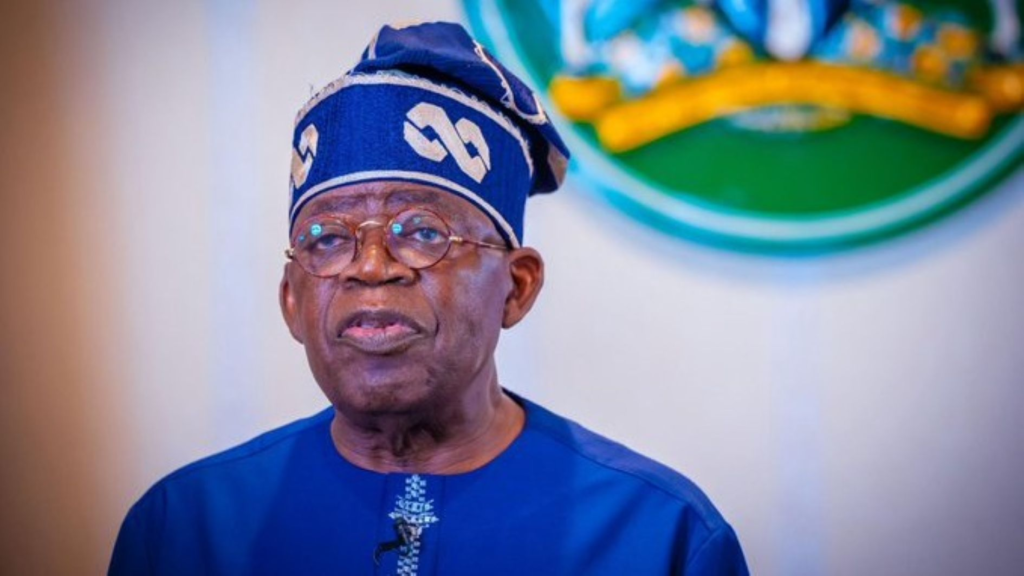
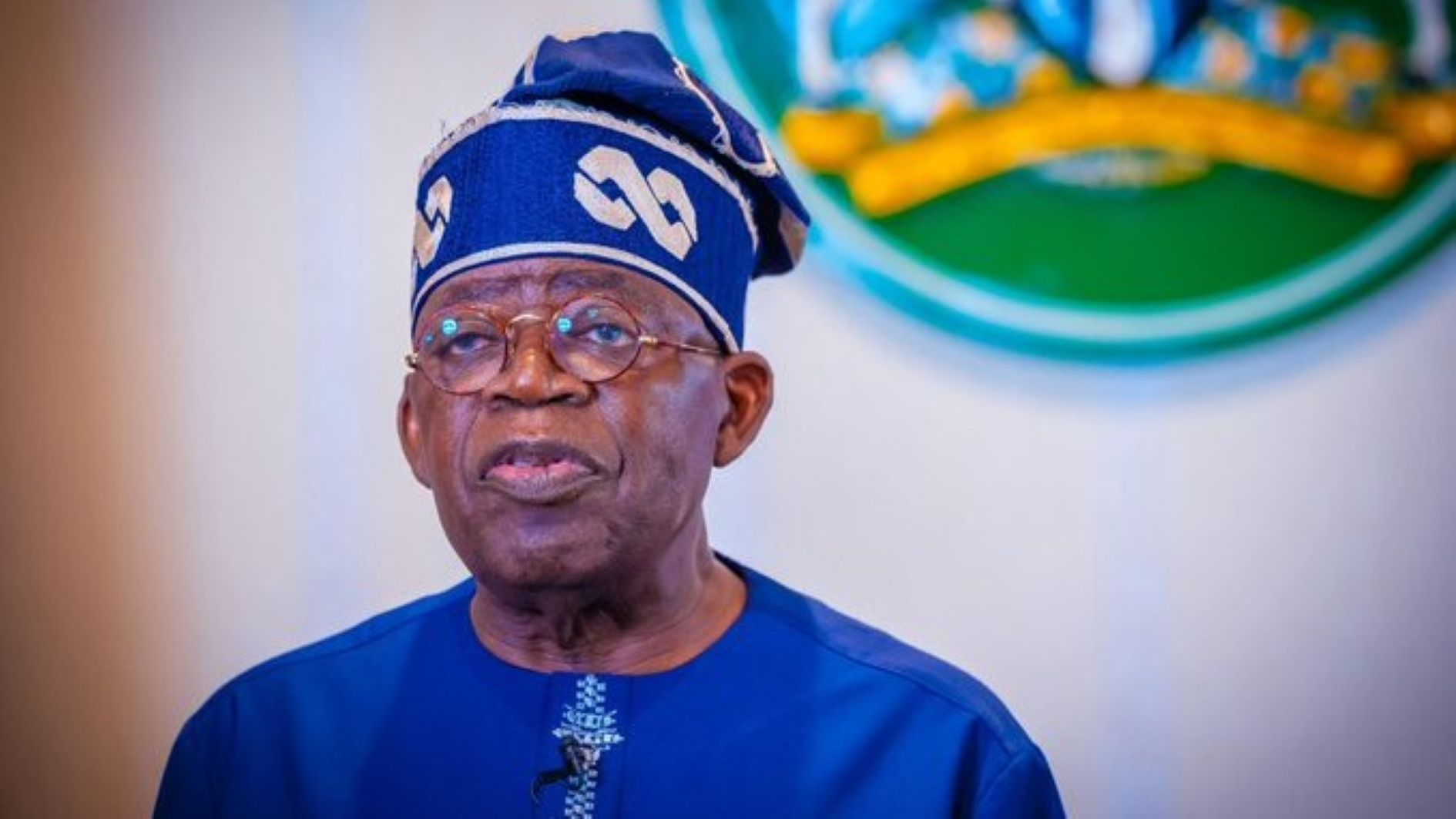
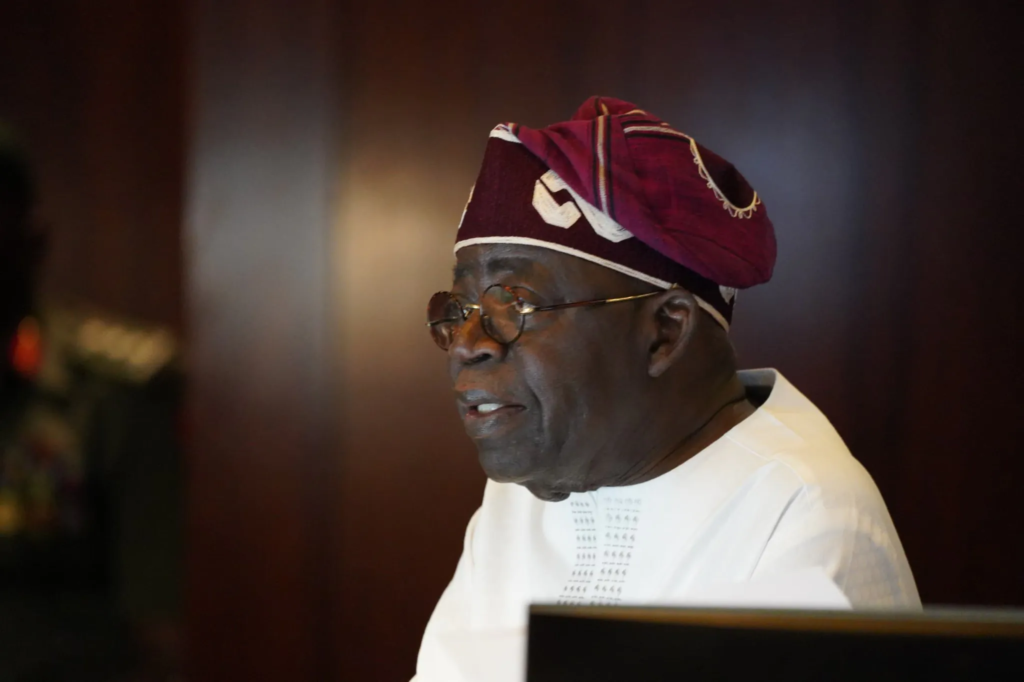
President Bola Tinubu has approved the expansion of the Nigerian Army from eight to 12 divisions and the recruitment of 28,000 additional personnel in one of the most significant force restructurings undertaken by the country in recent years.
The Presidency said the Nigerian Army expansion was designed to improve the military’s operational effectiveness, close gaps in troop deployment and strengthen Nigeria’s response to persistent security threats across different regions.
Under the approved structure, four new divisions will be established in Makurdi, Benue State; Ilorin, Kwara State; Jalingo, Taraba State; and Benin City, Edo State.
The restructuring will be implemented in two phases. The 5th, 9th and 10th Divisions are expected to become operational by September 2026, while the 83rd Division, headquartered in Benin City, is scheduled to commence operations by December 2026.
Presidential spokesman Bayo Onanuga said the plan would expand the Army’s geographical coverage and strengthen its ability to respond rapidly to emerging security challenges.
Tinubu also approved increased investment in military equipment, operational readiness and troop welfare as part of a wider programme to modernise the Armed Forces.
Expansion raises Army structure from eight to 12 divisions
Before the latest approval, the Nigerian Army operated eight divisions with headquarters across different parts of the country.
The new arrangement raises the number to 12 by adding four formations in locations considered strategically important to national security.
Makurdi will host the new 5th Division, while the 9th Division will be headquartered in Ilorin. Jalingo will host the 10th Division, and Benin City will become the headquarters of the 83rd Division.
The Nigerian Army expansion is intended to reduce the distance between divisional headquarters and areas where troops are required for operations.
A division is a major military formation responsible for coordinating brigades, battalions and other units within an assigned operational area.
Creating more divisions does not merely involve changing names or opening administrative offices. It requires trained personnel, command structures, accommodation, communications systems, logistics, vehicles, medical facilities, equipment and sustained funding.
The success of the restructuring will therefore depend on whether the government provides the resources required to make the new formations fully operational.
Three divisions expected by September
According to the Presidency, the implementation will not occur simultaneously.
The first phase will involve making the 5th Division in Makurdi, the 9th Division in Ilorin and the 10th Division in Jalingo operational by September 2026.
The second phase will cover the establishment of the 83rd Division in Benin City by December 2026.
The phased approach suggests that some preparatory work may already have begun, including the identification of facilities, reassignment of officers and development of command structures.
However, the government should publish clearer information about the operational boundaries of each new division.
Residents and state governments need to understand which areas the formations will cover, how they will relate to existing military commands and whether additional brigades or battalions will be established beneath them.
Transparent information about the Nigerian Army expansion will help the public evaluate whether the restructuring improves security or merely adds another administrative layer to the military.
Recruitment approval covers 28,000 additional personnel
The President also approved the recruitment and training of 28,000 additional military personnel to support the enlarged structure.
The figure had earlier been announced by the Chief of Army Staff, Lieutenant General Waidi Shaibu, during activities marking the 2026 Nigerian Army Day Celebration.
Shaibu said the Army needed more personnel to address manpower shortages and reinforce operations against insecurity across the country.
He explained that a third training depot had been established at Amasiri Edda to increase the Army’s capacity to train new personnel.
The facility is expected to complement existing training institutions and support the recruitment programme.
The Army chief argued that manpower was as important as equipment in confronting security threats and closing observed deployment gaps.
The 28,000 figure should not be interpreted as evidence that the personnel have already been recruited.
The approval authorises a recruitment and training programme that must still follow official procedures, including applications, screening, medical assessment and military training.
Prospective applicants should rely exclusively on announcements published through the Nigerian Army’s official website and recruitment portal.
At the time this report was prepared, the official recruitment portal stated that there was no ongoing application. Any person demanding money or claiming to guarantee recruitment should therefore be treated with suspicion.
New divisions target security gaps
Nigeria continues to confront different security threats requiring troops to operate across extensive territory.
The military is involved in operations against insurgents in the North-East, armed groups and kidnappers in the North-West, communal violence in parts of the North-Central region and separatist-linked violence in the South-East.
These simultaneous operations have placed considerable pressure on personnel and military resources.
The government believes the Nigerian Army expansion will improve command, control and troop deployment by placing senior operational headquarters closer to affected areas.
The location of the new divisions reflects these concerns.
Makurdi is strategically positioned within the North-Central region, which has experienced recurring farmer-herder violence, communal clashes and attacks on rural communities.
Ilorin provides a command position covering Kwara and surrounding areas where authorities have raised concerns about armed groups moving through forest corridors.
Jalingo is located in the North-East but also offers access to parts of the North-Central region and Nigeria’s eastern border areas.
Benin City provides an additional command centre in the South-South, where the military deals with oil theft, pipeline vandalism and other security concerns.
https://ogelenews.ng/nigerian-army-expansion

More troops must be properly trained
Increasing troop numbers can improve military coverage, but the recruitment programme must not sacrifice training standards for speed.
New personnel will require physical conditioning, discipline, weapons safety, operational instruction, knowledge of military law and understanding of civilian protection.
They must also be trained to operate within Nigeria’s Constitution, military rules of engagement and international human-rights obligations.
The Nigerian Army expansion will fail to improve national security if poorly trained recruits are deployed before they are professionally prepared.
The Army must therefore provide sufficient instructors, training facilities, accommodation, medical services and equipment for the additional personnel.
Training 28,000 recruits will also create a substantial financial obligation.
The government will need to provide salaries, uniforms, food, healthcare, pensions, housing and operational support throughout their service.
Recruitment should consequently be linked to a credible long-term funding plan rather than treated as a temporary response to public pressure over insecurity.
Equipment must accompany manpower increase
Additional personnel alone cannot resolve Nigeria’s security challenges.
Troops need reliable communications, protective equipment, surveillance technology, transportation and logistical support.
Onanuga said Tinubu had approved greater investment in equipment, operational readiness and welfare alongside the new structure.
This element is crucial because military formations cannot operate effectively without the ability to move personnel, gather intelligence and maintain supply lines.
The Nigerian Army expansion should therefore include a transparent equipment-acquisition programme aligned with the responsibilities of each new division.
Procurement must follow due process and deliver equipment appropriate to Nigeria’s operational environment.
The government should avoid purchasing platforms that cannot be maintained locally or that become unusable because spare parts and technical support are unavailable.
Equipment contracts should also be subjected to proper legislative and financial oversight without exposing sensitive operational information.
Troop welfare will determine effectiveness
Tinubu’s approval reportedly includes greater attention to the welfare of military personnel.
The importance of welfare cannot be overstated.
Soldiers deployed for long periods under difficult conditions require timely salaries, suitable accommodation, medical care and adequate support for their families.
Poor welfare can damage morale, weaken retention and reduce operational effectiveness.
The Army chief has promoted what he described as a “Soldier-First” culture intended to prioritise personnel and their families.
He has also linked troop welfare with professionalism, resilience and combat readiness.
As the Nigerian Army expansion proceeds, welfare spending should not be limited to senior officers or newly constructed headquarters.
Rank-and-file soldiers serving in difficult locations must experience practical improvements.
The families of personnel killed or injured in service should also receive prompt and transparent support.
A military cannot be strengthened solely through more formations and recruits. Its people must believe that the institution values their service and protects their dependants.
Expansion requires legislative scrutiny
The National Assembly has an important role in overseeing the restructuring.
The creation of new formations, recruitment of 28,000 personnel and acquisition of equipment will require significant public expenditure.
Lawmakers should demand a detailed implementation plan showing the cost of infrastructure, salaries, equipment, training and annual operations.
The objective should not be to obstruct legitimate security reforms but to ensure that public money produces measurable improvements.
The Nigerian Army expansion should be supported by clear performance indicators.
These may include reduced response times, stronger protection for vulnerable communities, improved intelligence coordination and more effective control of areas previously affected by armed groups.
The government should also explain whether the additional personnel are being recruited exclusively for the Army or across different military services.
The official announcement describes the approval as the recruitment of 28,000 personnel within the Army’s expansion plan, while some reports use the broader term “military personnel.”
Consistency in official communication is necessary to prevent confusion.
Civil-military relations must remain a priority
New divisions will increase the Army’s presence in several communities.
That presence must be managed professionally to maintain public trust.
Military authorities should engage state governments, traditional institutions and community leaders before establishing permanent facilities.
Land acquisition, construction and changes in local movement should be handled transparently and lawfully.
Troops must also receive training in civilian engagement, conflict sensitivity and the protection of human rights.
The Nigerian Army expansion should not lead to unnecessary militarisation of ordinary civic life.
The Army’s role is to defend Nigeria and support internal-security operations where legally authorised. Routine policing remains primarily the responsibility of the Nigeria Police Force.
Clear responsibilities will help prevent duplication, reduce friction among security agencies and ensure that the military is not permanently drawn into duties better handled by properly equipped police institutions.
Recruitment must be transparent
The planned recruitment offers opportunities to thousands of young Nigerians, but it may also attract fraudsters.
Criminals frequently create false websites, social-media pages and payment demands around public-sector recruitment exercises.
The Nigerian Army does not require applicants to pay intermediaries to secure recruitment.
Every stage should be conducted through officially announced channels.
Applicants should not submit personal data, banking information or identity documents to unverified individuals.
The Army should publish the timetable, eligibility requirements, screening locations and final lists through its official platforms once the process begins.
Transparent recruitment will protect the credibility of the Nigerian Army expansion and ensure that selection is based on merit, fitness and national requirements rather than political influence or financial inducement.
The recruitment process should also reflect Nigeria’s federal character without lowering professional standards.
New formations must produce security results
Nigeria has repeatedly increased security spending and created new military units in response to evolving threats.
The public will therefore judge the latest restructuring by its results rather than the number of divisions announced.
Residents of affected communities want to see safer roads, protected farms, reduced kidnapping and a stronger ability to prevent attacks.
The Nigerian Army expansion must translate into better intelligence, faster deployment and sustained control of recovered territory.
Deploying more troops after attacks occur is not enough.
The new formations should strengthen preventive operations through intelligence gathering, surveillance and cooperation with local communities.
Security agencies must also improve coordination because armed groups often operate across state and regional boundaries.
Divisional commands should share intelligence with the police, Department of State Services, Nigeria Security and Civil Defence Corps and other relevant agencies.
Security reform must address underlying causes
Military expansion is an important response to immediate threats, but force alone cannot resolve every source of insecurity.
Unemployment, weak local governance, illegal arms circulation, land disputes, poor justice systems and ungoverned spaces can create conditions in which violent groups operate.
The government must therefore combine the Nigerian Army expansion with economic, political and judicial reforms.
Communities liberated from armed groups require schools, healthcare, roads and functioning local institutions.
Suspected criminals must be investigated and prosecuted so that military operations lead to lasting justice.
Border management must also improve to reduce the movement of weapons and armed groups.
Without these complementary measures, troops may repeatedly clear the same areas without establishing sustainable peace.
Implementation will be the decisive test
Tinubu’s approval marks a major restructuring of the Nigerian Army, but an announcement is only the beginning.
The government must construct or upgrade facilities, appoint commanders, assign units, recruit and train personnel, provide equipment and fund the enlarged force.
The September and December 2026 deadlines will test whether the restructuring has been properly planned.
The public should receive periodic information about implementation without the military disclosing sensitive operational details.
The Nigerian Army expansion offers an opportunity to correct deployment gaps and improve national security.
It also creates substantial responsibilities.
More divisions must not become more bureaucracy. More recruits must not become inadequately trained troops. More spending must not disappear into opaque procurement.
The reform will be justified only if it produces a professional, properly equipped and accountable Army capable of protecting communities and responding effectively to Nigeria’s changing security threats.
Tinubu has approved the structure and manpower.
The next challenge is ensuring that the new divisions become functional formations and that the 28,000 personnel are recruited transparently, trained thoroughly and supported throughout their service.